


 Geri
Geri


A-Z İndex


Student Affairs

Life At Haliç



|
Theatre is one of the oldest and most influential fields of art, enabling humans to express themselves, society, culture and life on stage. Integrating acting, dramatic narration, body, voice, movement, text analysis and staging processes, the art of theatre is a versatile discipline that develops an individual's creative, critical and aesthetic thinking skills. Today, theatre holds a significant place not only in the performing arts but also in various fields such as cinema, television, digital media, voice-over, creative drama, performance arts and culture and arts management. For this reason, there is a need in the contemporary art environment for qualified theatre artists who can think creatively, use their body and voice effectively, adapt to teamwork and actively participate in artistic production processes. Candidates wishing to choose the Department of Theatre are expected to be individuals who are interested in the performing arts, possess developed observation skills, are open to creative thinking, and are willing to improve their physical and vocal expression skills. Additionally, having disciplined work habits, being able to adapt to teamwork, thinking critically and being open to different artistic forms of expression are of great importance for their professional development. In addition to core courses such as acting, diction, use of voice and breath, body, movement, improvisation, stage studies, dramaturgy, play analysis, theatre history, and staging practices, the Department of Theatre curriculum also includes elective courses both within and outside the field. The program is structured to ensure that students both acquire theoretical knowledge and gain application-based experience on stage. Throughout their education, Department of Theatre students work with classical and contemporary theatre texts, becoming acquainted with different acting methods, staging approaches and performance techniques. While students' artistic foundations are strengthened in the early years through basic acting, body, voice, movement and theatre history courses, their professional equipment is enhanced in later years through stage applications, character analysis, play review, dramaturgy and project-oriented studies. By utilizing the interdisciplinary opportunities provided by the conservatory structure, the department also enables students to establish connections with fields such as music, movement, body performance, voice-over and stage technologies. Students and faculty members of the Department of Theatre can benefit from international academic and artistic opportunities such as the Erasmus Exchange Program. Graduates of the department have the opportunity to work in state and private theatres, independent theatre troupes, cinema, television, digital media, voice-over, creative drama, performance arts, culture and arts projects, and educational fields. The objective of the department is to train versatile theatre artists who can adapt to the changing and evolving art environment, produce creatively in the field of performing arts, conduct research and adhere to ethical values. |


|
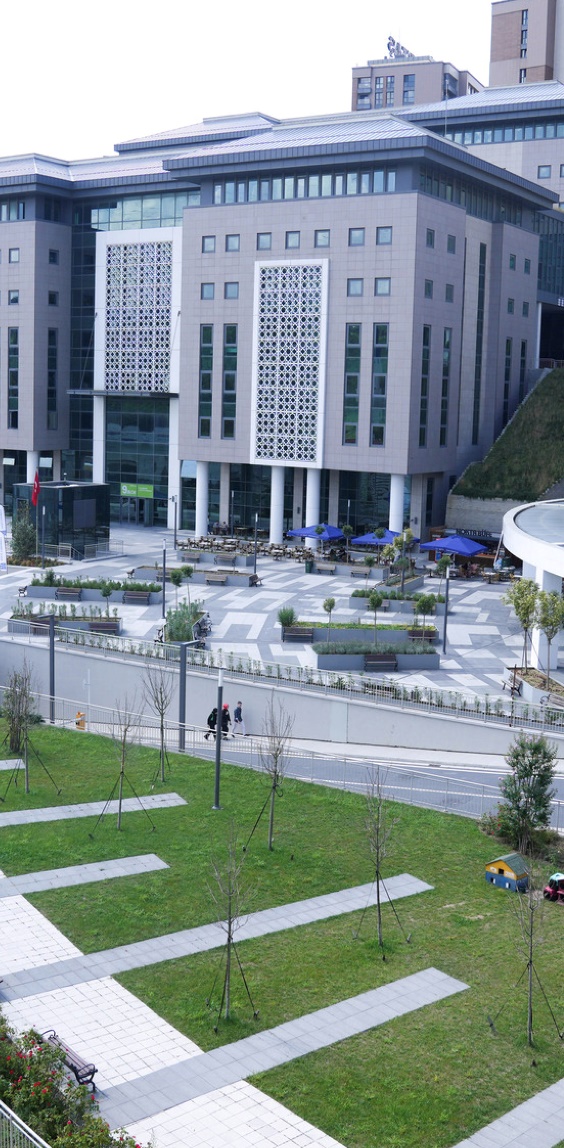
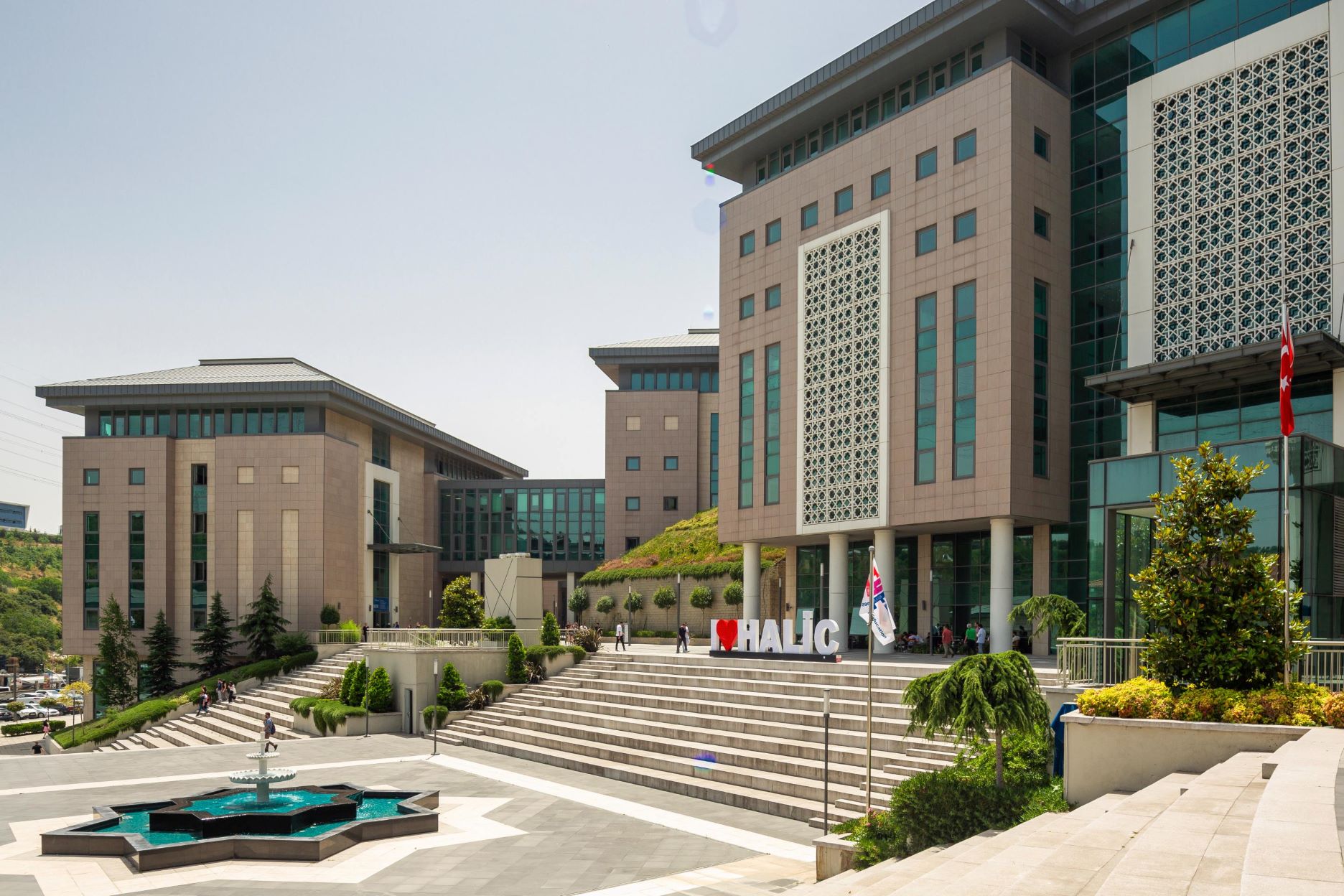
Haliç University Conservatory is among the leading art institutions in Turkey with its location, departments, teaching staff and mission. Our conservatory started its education with the Turkish Music Department in the 1999-2000 academic year, then the Theater in the 2001-2002 academic year and the Opera and Concert Singing departments in the 2007-2008 academic year. Haliç University Conservatory, in addition to being the first conservatory among foundation universities, is also the first conservatory to have departments such as Turkish Music, Theater and Opera. Established in 2001 under the chairmanship of Müşfik Kenter, the Theater Department has produced many well-known graduates who are successful in the fields of performing arts, cinema and TV. Haliç University, which is among the distinguished foundation universities of Turkey with its student-centered studies, draws attention as an important institution in conservatory education with its important future-oriented initiatives and collaborations that it focuses on science and art. In addition to undergraduate education, graduate studies with and without thesis are successfully carried out in the Department of Theater. Aim; First of all, it is to increase the artistic potential of our country in a quality way, based on national and universal aesthetic values, and to offer job opportunities to our talented young people. To develop their knowledge and creativity and to bring them into society as a fully equipped young generation in national and international fields, with a high understanding of art, open-minded, scientific and artistic idealism. Our conservatory has an important place in its wide range of arts, both with the students it educates and the art activities it organizes. Our goal is; is to be at the forefront with studies that are worthy of our university, suitable for its structure, open to creativity and innovations, and which will make a lot more noise in our country and in the world. |
| Upon successful completion of the program, students will be awarded with Bachelor of Science in Theatre. |
| Admissions to the Theatre Department are made according to the regulations set by the Higher Education Council (YÖK) through the cetral examination system and a special aptitude exam. Candidates, after documenting that they have made the minimum required score in the central exam made by the student selection and placement center gain access to the special aptitude exam made by the theatre department's teaching faculty. In this exam, jury evaluate student's bodily awareness, voice, inpulse and reactions. Special aptitude exam consists of two stages. Students who gain the necessary score after these two stages may register to the programme. |
| The Students graduaing from this program may apply to graduate programs. |
| Ders Kodu | Ders Adı | T+U+L | AKTS | Ders Türü |
|---|---|---|---|---|
| KON0001 | Mythology I | 2+0+0 | 2 | Compulsory |
| OZD0101 | Turkish Language I | 2+0+0 | 2 | Compulsory |
| OZD0103 | History of Turkish Revolution and Atatürk's Principles I | 2+0+0 | 2 | Compulsory |
| OZD0105 | English I | 3+0+0 | 3 | Compulsory |
| OZD0130 | Career Planning | 2+0+0 | 2 | Compulsory |
| TİY1001 | Movement I | 1+3+0 | 3 | Compulsory |
| TİY1003 | Improvisation I | 1+3+0 | 3 | Compulsory |
| TİY1005 | History of Theatre I | 2+0+0 | 2 | Compulsory |
| TİY1007 | Introduction to Acting I | 2+3+0 | 5 | Compulsory |
| TİY1009 | Voice Training I | 0+2+0 | 2 | Compulsory |
| TİY1011 | Diction I | 1+2+0 | 2 | Compulsory |
| TİY1013 | Text Analysis I | 2+0+0 | 2 | Compulsory |
| Ders Kodu | Ders Adı | T+U+L | AKTS | Ders Türü |
|---|---|---|---|---|
| KON0002 | Mythology II | 2+0+0 | 2 | Compulsory |
| OZD0102 | Turkish Language II | 2+0+0 | 2 | Compulsory |
| OZD0104 | History of Turkish Revolution and Atatürk's Principles II | 2+0+0 | 2 | Compulsory |
| OZD0106 | English II | 3+0+0 | 3 | Compulsory |
| TİY1002 | Movement II | 1+3+0 | 4 | Compulsory |
| TİY1004 | Improvisation II | 1+3+0 | 3 | Compulsory |
| TİY1006 | History of Theatre II | 2+0+0 | 2 | Compulsory |
| TİY1008 | Introduction to Acting II | 2+3+0 | 6 | Compulsory |
| TİY1012 | Voice Training II | 0+2+0 | 2 | Compulsory |
| TİY1014 | Diction II | 1+2+0 | 2 | Compulsory |
| TİY1018 | Text Analysis II | 2+0+0 | 2 | Compulsory |
| Ders Kodu | Ders Adı | T+U+L | AKTS | Ders Türü |
|---|---|---|---|---|
| KON2013 | Story of Art I | 2+0+0 | 3 | Compulsory |
| TİY2001 | Movement III | 1+3+0 | 3 | Compulsory |
| TİY2003 | Dramaturgy I | 2+0+0 | 2 | Compulsory |
| TİY2005 | History of Theater III | 2+0+0 | 2 | Compulsory |
| TİY2007 | Preparation to Role I | 2+2+0 | 5 | Compulsory |
| TİY2009 | Voice Training III | 0+2+0 | 2 | Compulsory |
| TİY2011 | Diction III | 1+2+0 | 2 | Compulsory |
| TİY2013 | Expression and Role I | 1+3+0 | 4 | Compulsory |
| TİY2015 | Turkish Theatre I | 3+0+0 | 3 | Compulsory |
| AİS2XX1 | Area Elective | - | 4 | Elective |
| KON2105 | Folk Dances I | 0+2+0 | 4 | Elective |
| TİY2101 | Creative Drama I | 1+2+0 | 4 | Elective |
| TİY2103 | Musical I | 0+2+0 | 4 | Elective |
| TİY2105 | Dance I | 0+2+0 | 4 | Elective |
| Ders Kodu | Ders Adı | T+U+L | AKTS | Ders Türü |
|---|---|---|---|---|
| KON2014 | Story of Art II | 2+0+0 | 3 | Compulsory |
| TİY2002 | Movement IV | 1+3+0 | 3 | Compulsory |
| TİY2004 | Dramaturgy II | 2+0+0 | 2 | Compulsory |
| TİY2006 | History of Theater IV | 2+0+0 | 2 | Compulsory |
| TİY2008 | Preparation to Role II | 2+2+0 | 5 | Compulsory |
| TİY2012 | Voice Training IV | 0+2+0 | 2 | Compulsory |
| TİY2014 | Diction IV | 1+2+0 | 2 | Compulsory |
| TİY2016 | Expression and Role II | 1+3+0 | 4 | Compulsory |
| TİY2018 | Turkish Theatre II | 3+0+0 | 3 | Compulsory |
| AİS2XX2 | Area Elective | - | 4 | Elective |
| KON2106 | Folk Dances II | 0+2+0 | 4 | Elective |
| TİY2102 | Creative Drama II | 1+2+0 | 4 | Elective |
| TİY2104 | Musical II | 0+2+0 | 4 | Elective |
| TİY2106 | Dance II | 0+2+0 | 4 | Elective |
| Ders Kodu | Ders Adı | T+U+L | AKTS | Ders Türü |
|---|---|---|---|---|
| HLÜ0010 | Scientific Research Methods | 1+2+0 | 4 | Compulsory |
| TİY3001 | Acting I | 2+3+0 | 6 | Compulsory |
| TİY3003 | Stage Practice I | 2+4+0 | 6 | Compulsory |
| TİY3005 | Dramaturgy III | 2+0+0 | 4 | Compulsory |
| TİY3007 | Diction V | 1+1+0 | 2 | Compulsory |
| AİS3XX1 | Area Elective (2 Courses) | - | 8 | Elective |
| TİY3109 | History of Cinema I | 2+0+0 | 4 | Compulsory |
| TİY3101 | Contemporary Acting Technic I | 1+2+0 | 4 | Elective |
| TİY3103 | Dance Theater I | 0+2+0 | 4 | Elective |
| TİY3105 | Children's Theater I | 2+0+0 | 4 | Elective |
| TİY3107 | Character Analysis in the Scenario I | 2+1+0 | 4 | Elective |
| Ders Kodu | Ders Adı | T+U+L | AKTS | Ders Türü |
|---|---|---|---|---|
| TİY3002 | Acting II | 2+3+0 | 6 | Compulsory |
| TİY3004 | Stage Practice II | 2+4+0 | 6 | Compulsory |
| TİY3006 | Dramaturgy IV | 2+0+0 | 4 | Compulsory |
| TİY3008 | Diction VI | 1+1+0 | 2 | Compulsory |
| TİY3012 | Voice Acting | 3+0+0 | 4 | Compulsory |
| AİS3XX2 | Area Elective (2 Courses) | - | 8 | Elective |
| TİY3102 | Contemporary Acting Technic II | 1+2+0 | 4 | Elective |
| TİY3104 | Dance Theater II | 0+2+0 | 4 | Elective |
| TİY3106 | Theatre for Children II | 2+0+0 | 4 | Elective |
| TİY3108 | Character Analysis in the Scenario II | 2+1+0 | 4 | Elective |
| TİY3112 | History of Cinema II | 2+0+0 | 4 | Elective |
| Ders Kodu | Ders Adı | T+U+L | AKTS | Ders Türü |
|---|---|---|---|---|
| TİY4001 | Acting III | 2+2+0 | 6 | Compulsory |
| TİY4003 | Stage Practice III | 2+4+0 | 8 | Compulsory |
| AİS4XX1 | Area Elective (4 Courses) | - | 16 | Elective |
| KON0003 | Make-up | 1+2+0 | 4 | Elective |
| TİY4103 | Anthropology of Theatre I | 1+2+0 | 4 | Elective |
| TİY4105 | Directing Theatre I | 1+2+0 | 4 | Elective |
| TİY4107 | Creative Writing Studies I | 2+0+0 | 4 | Elective |
| TİY4109 | Dance Theatre III | 0+2+0 | 4 | Elective |
| TİY4111 | Direction Readings in Cinema I | 2+0+0 | 4 | Elective |
| TİY4113 | Audition Technics I | 1+2+0 | 4 | Elective |
| TİY4115 | Performance Art I | 1+2+0 | 4 | Elective |
| Ders Kodu | Ders Adı | T+U+L | AKTS | Ders Türü |
|---|---|---|---|---|
| TİY4002 | Acting IV | 2+2+0 | 6 | Compulsory |
| TİY4004 | Stage Practice IV | 2+4+0 | 8 | Compulsory |
| ADS4XX2 | Non-Area Elective | - | 4 | Elective |
| AİS4XX2 | Area Elective (3 Courses) | - | 12 | Elective |
| KON0004 | Stage and Costume Designe | 1+2+0 | 4 | Elective |
| TİY4104 | Anthropology of Theatre II | 1+2+0 | 4 | Elective |
| TİY4106 | Directing Theatre II | 1+2+0 | 4 | Elective |
| TİY4108 | Creative Writing Studies II | 2+0+0 | 4 | Elective |
| TİY4112 | Dance Theatre IV | 0+2+0 | 4 | Elective |
| TİY4114 | Direction Readings in Cinema II | 2+0+0 | 4 | Elective |
| TİY4116 | Audition Technics II | 1+2+0 | 4 | Elective |
| TİY4118 | Performance Art II | 1+2+0 | 4 | Elective |
| In order to graduate from the program, all courses in the undergraduate curriculum corresponding to 240 ECTS credits accepted by the Senate must be achieved with a GPA of at least 2.00 / 4.00. |
| Graduates of this program will be able to be employed in all fields open to acting and theater profession. In this context, graduates can work in private and subsidized theatres, television, cinema sectors, academic institutions and research centers. |
|
In this program; Different evaluation methods such as midterm, homework, practice, project, practice and final exam are applied. Assessment methods may include the classical exam, multiple choice exam, homework, performance evaluation and product evaluation. To graduate from the program, a weighted grade point average of at least 2.00 is required. The grade of a course is determined as a result of the evaluation of the above elements and is given in letters. |
| Research Assist. Tuğba Sorgun |
The cookies used on our website are categorized into specific groups. Below you can find information about these categories and choose to allow some or all of them, or reject them.


 tufanozturk@halic.edu.tr
 More Info