Haliç University Fast Links Administrative
Haliç University Fast Links Campus Life
WhatsApp

History

Haliç Üniversitesi | University | About | History

History

A Rooted Journey, A Bright Future: Haliç University

Born in the heart of Istanbul, the crossroads of civilizations and eras, Haliç University began its educational journey on November 23, 1998, under the initiative of the Foundation for Children with Leukemia (Bizim Lösemili Çocuklar Vakfı), in accordance with the Higher Education Law No. 2547. As one of Turkey’s first foundation universities, Haliç University has become not only a higher education institution but also a symbol of human-centered education, science, and social responsibility. While defining its name and future, the Golden Horn (Haliç)-a historic center of science, art, and culture in Istanbul-has been instrumental. Indeed, the Golden Horn is not just a district or neighborhood of Istanbul; it is a symbol known culturally and globally, which for centuries shaped the city’s historical heritage and influence in the arts and sciences.

Initially seen as a bold concept, this vision has come to define the identity and global aspirations of today’s Haliç University. With these principles in mind, Haliç University began to grow rapidly, experiencing continual development through six fundamental periods.

First Period: Fındıkzade Campus

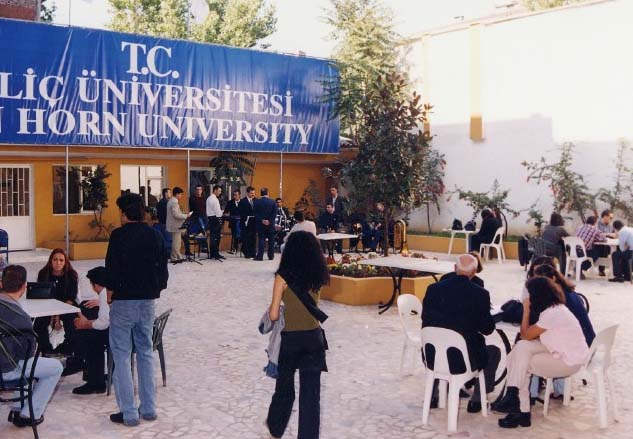
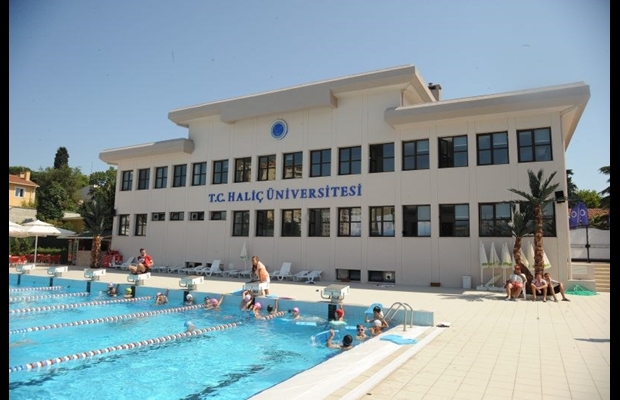
Haliç University began its educational journey in a large building in the historical Fındıkzade district, located in the southern part of the Golden Horn. Initially, the university was composed of the Faculties of Medicine, Science and Letters, Business; Schools of Nursing, Aquatic Sciences, and Physical Education; the Institute of Health Sciences; and the Conservatory.

Following the developments that took place during this phase, the need for a new space emerged, and new opportunities were explored, this time focusing on larger facilities in the Beyoğlu and Şişli areas north of the Golden Horn.

Second Period: Şişhane, Mecidiyeköy, and Levent Campuses (2002–2010)

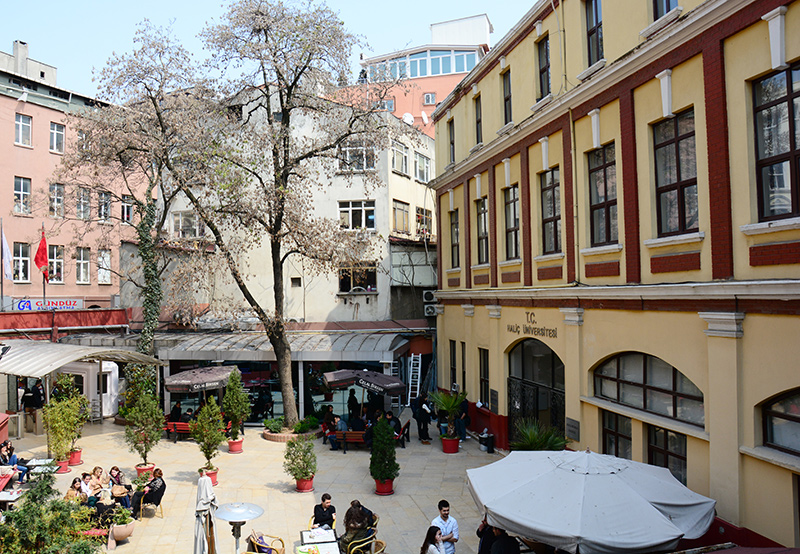
A large building in Mecidiyeköy was acquired and designated as the main campus. For the School of Physical Education and Sports, the university utilized major sports facilities belonging to the Turkish Sports Writers Association (TSYD) in Levent. Additionally, a separate large building in Mecidiyeköy was also put into use. Furthermore, a conservatory was opened in a historical building in Şişhane, also located north of the Golden Horn.

During this restructuring, the Faculties of Architecture and Fine Arts, the Institutes of Science and Social Sciences, and the School of Health Sciences were established. Over time, these campuses became inadequate for the growing university, prompting the search for new buildings.

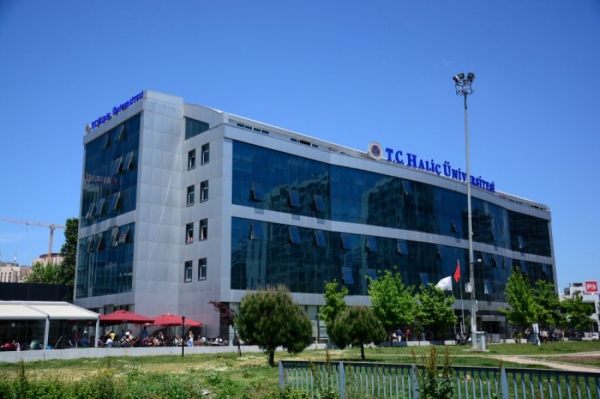
Third Period: Kağıthane Campus (2010–2016)

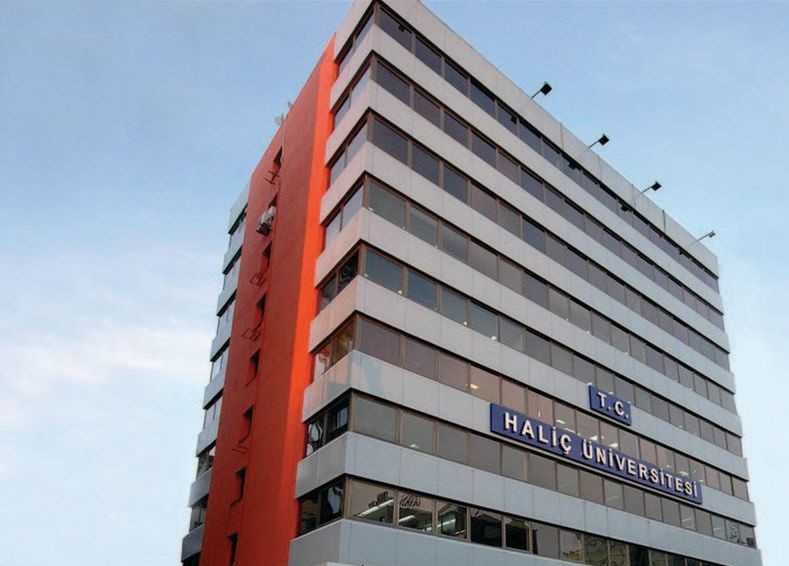
In order to consolidate all educational activities under one roof, Haliç University, which had been operating in Mecidiyeköy, Levent, and Şişhane, decided to move into a newly constructed large educational building in Kağıthane. This building was reorganized and restructured to integrate the entire educational system. However, technical issues with the facility eventually made it insufficient for the university’s needs, leading to the search for a larger campus. A suitable building was later found along the Golden Horn, located on the site of a former historic factory. The modern campus built on this heritage site provided a suitable solution.

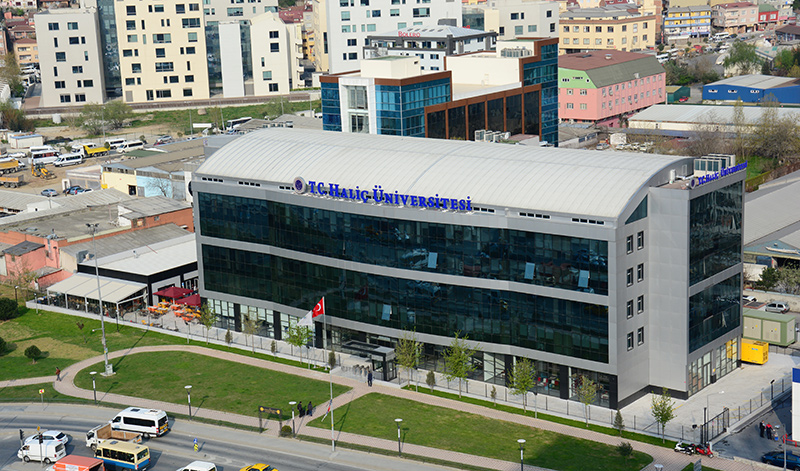
Fourth Period: Sütlüce Campus (2016–2023)

The principle of connecting with the historical industrial heritage of the Golden Horn led to significant developments at the Sütlüce Campus. Primarily, all educational activities were gathered under one roof. The campus’s modern architecture strengthened the university’s institutional identity.

During the global COVID-19 pandemic, although education at Haliç University was seriously affected, thanks to a strong technical infrastructure, no major disruptions occurred, and development continued. Nevertheless, emerging new needs once again raised the demand for a larger campus.

Fifth Period: 5th Levent Campus (2023-…)

Since its establishment, Haliç University has respected the historical legacy of the Golden Horn and has aimed to build its future upon a model inspired by this significant global heritage.

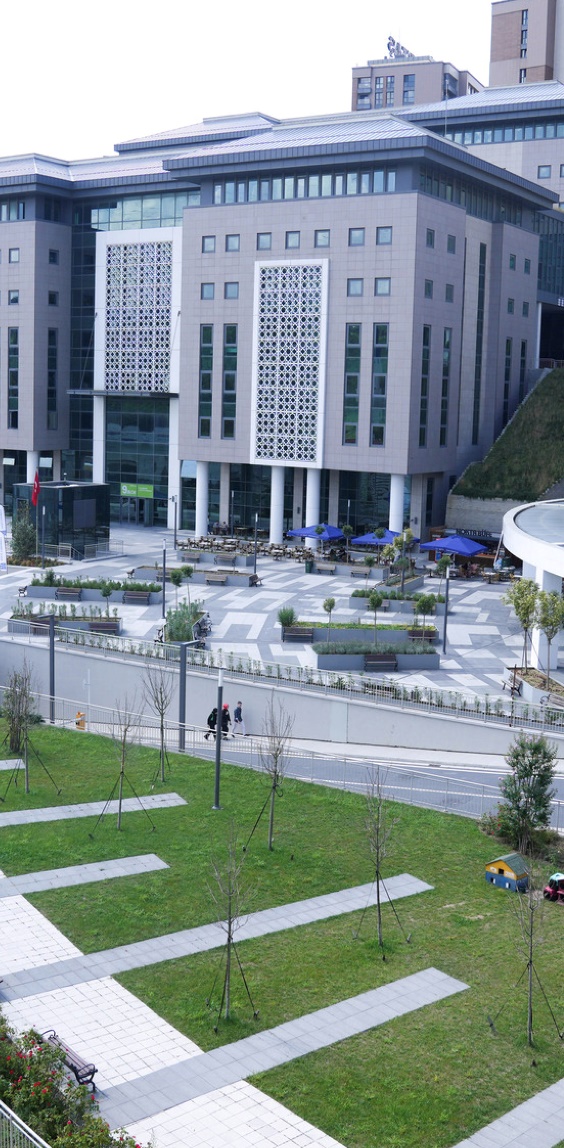
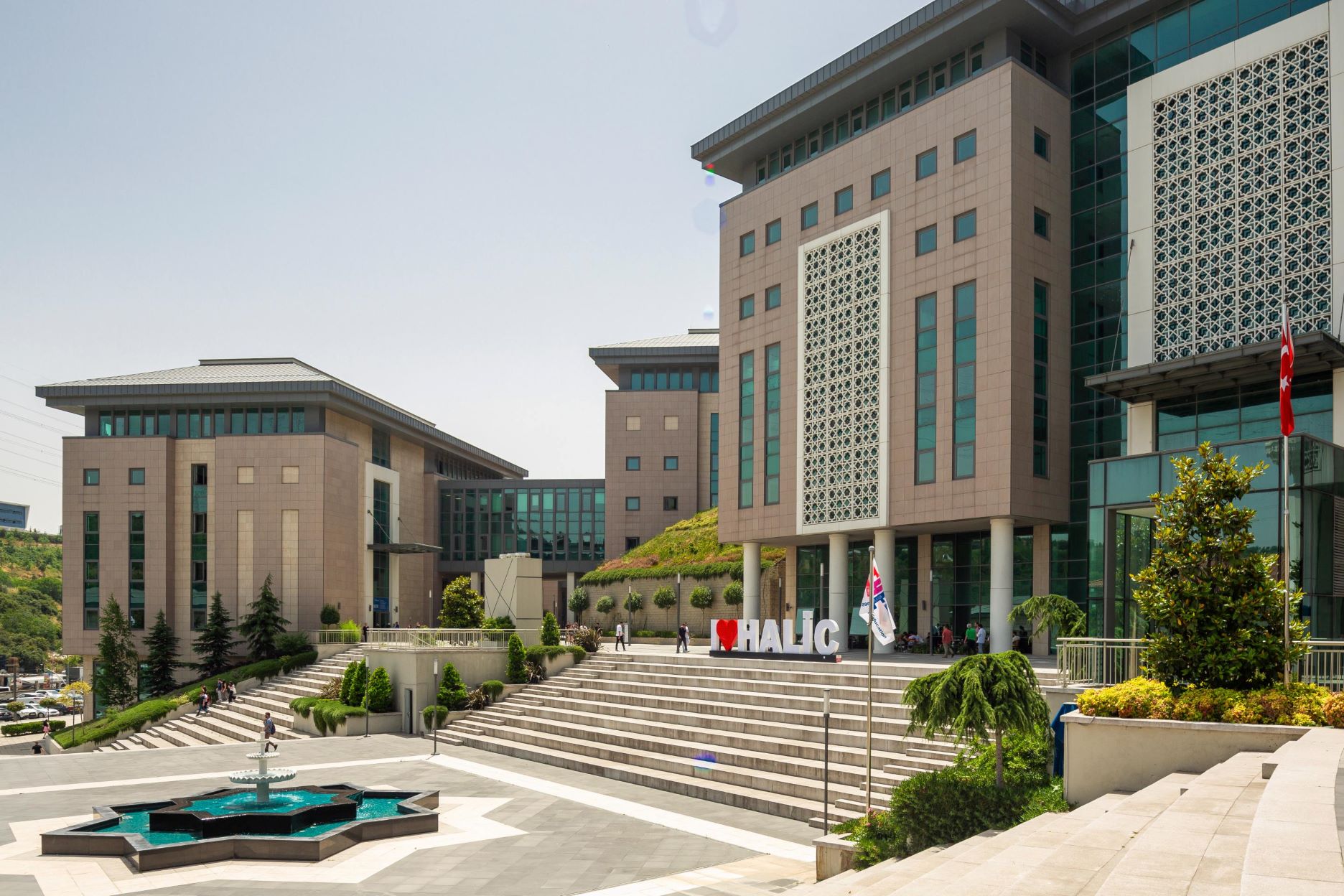
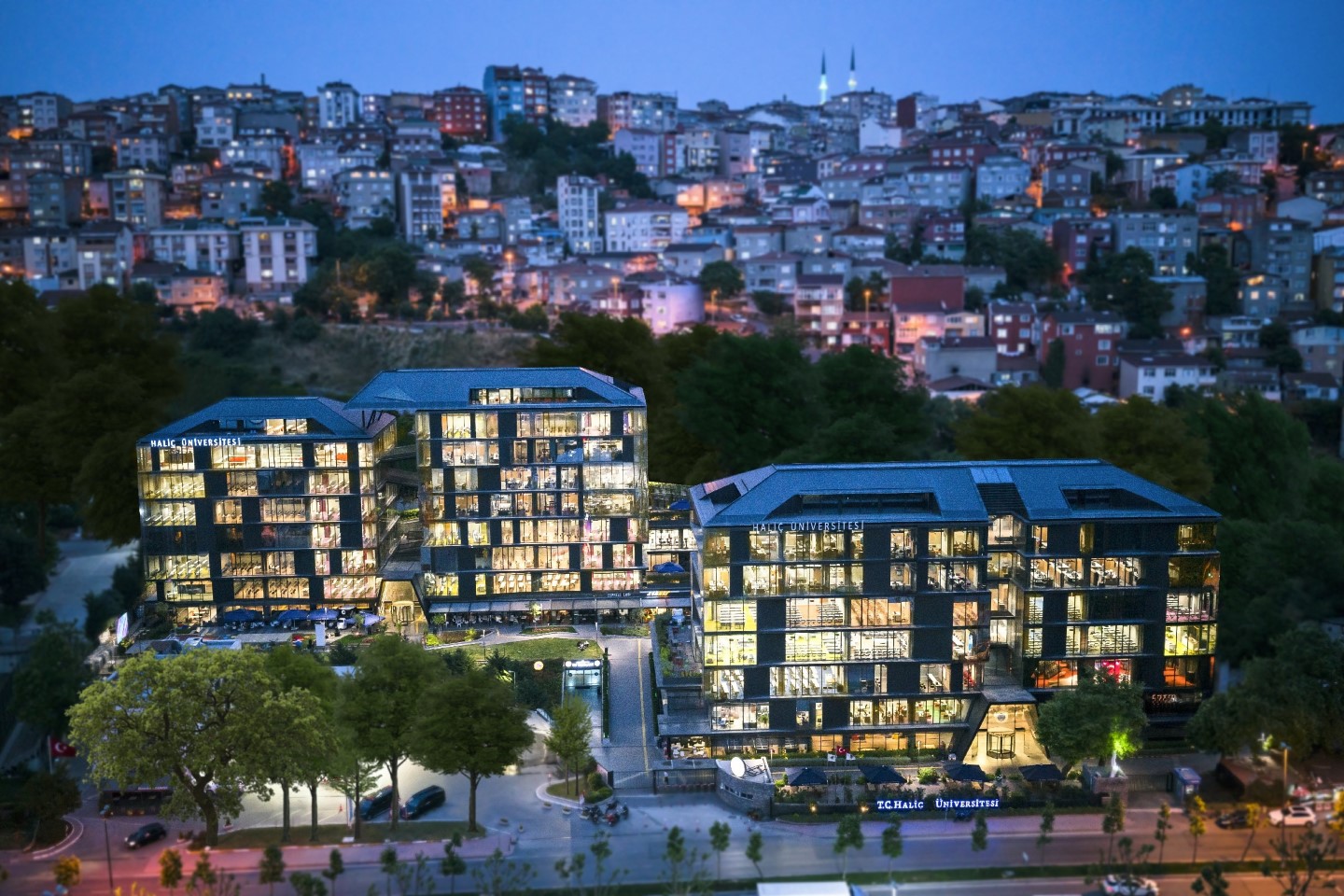
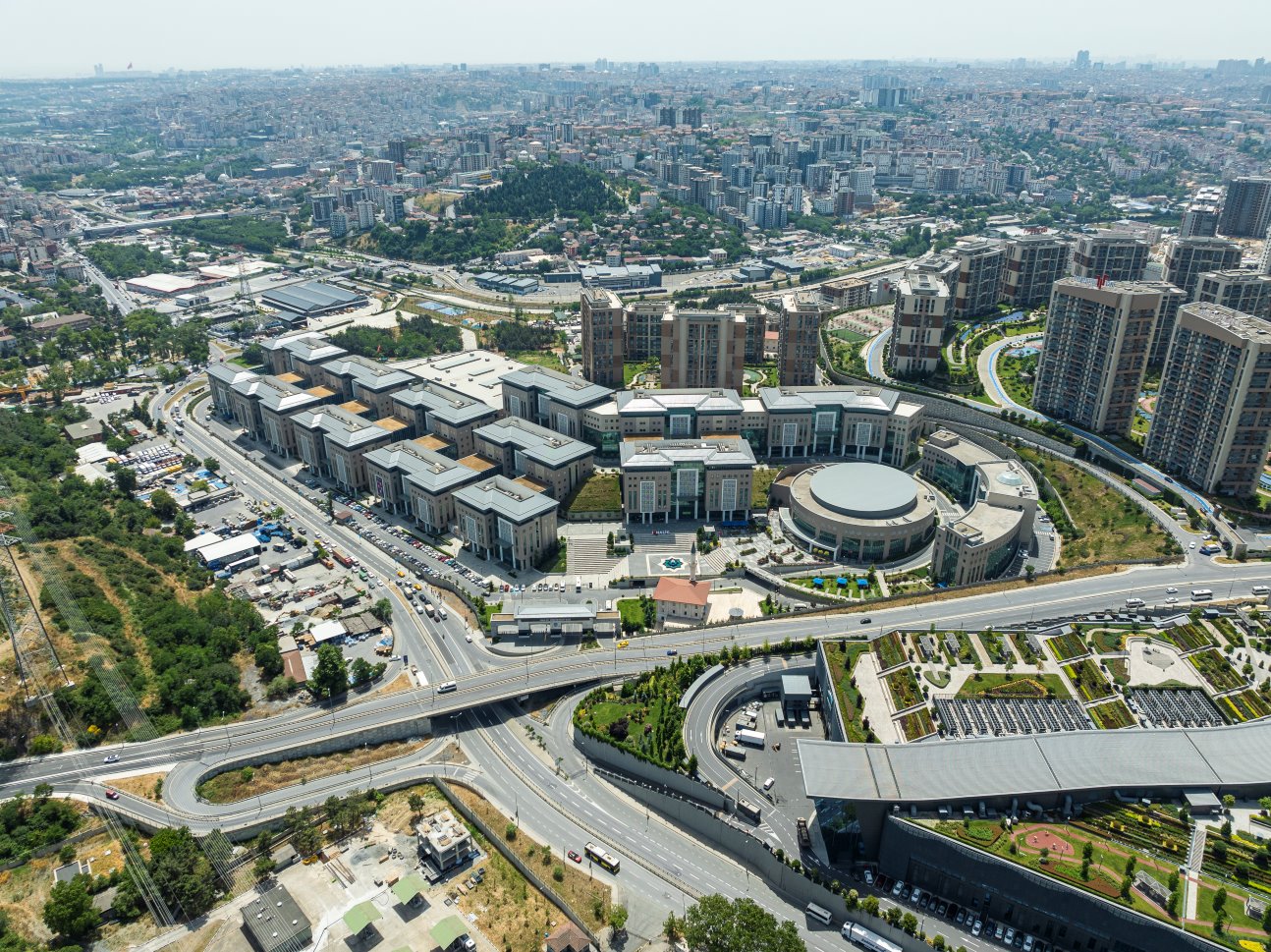
The 5th Levent Campus has elevated Haliç University to a whole new level with its unparalleled physical, technical, and social facilities. In 2023, under the “All in One” campus vision, the university united under one modern infrastructure at the 5th Levent Campus.

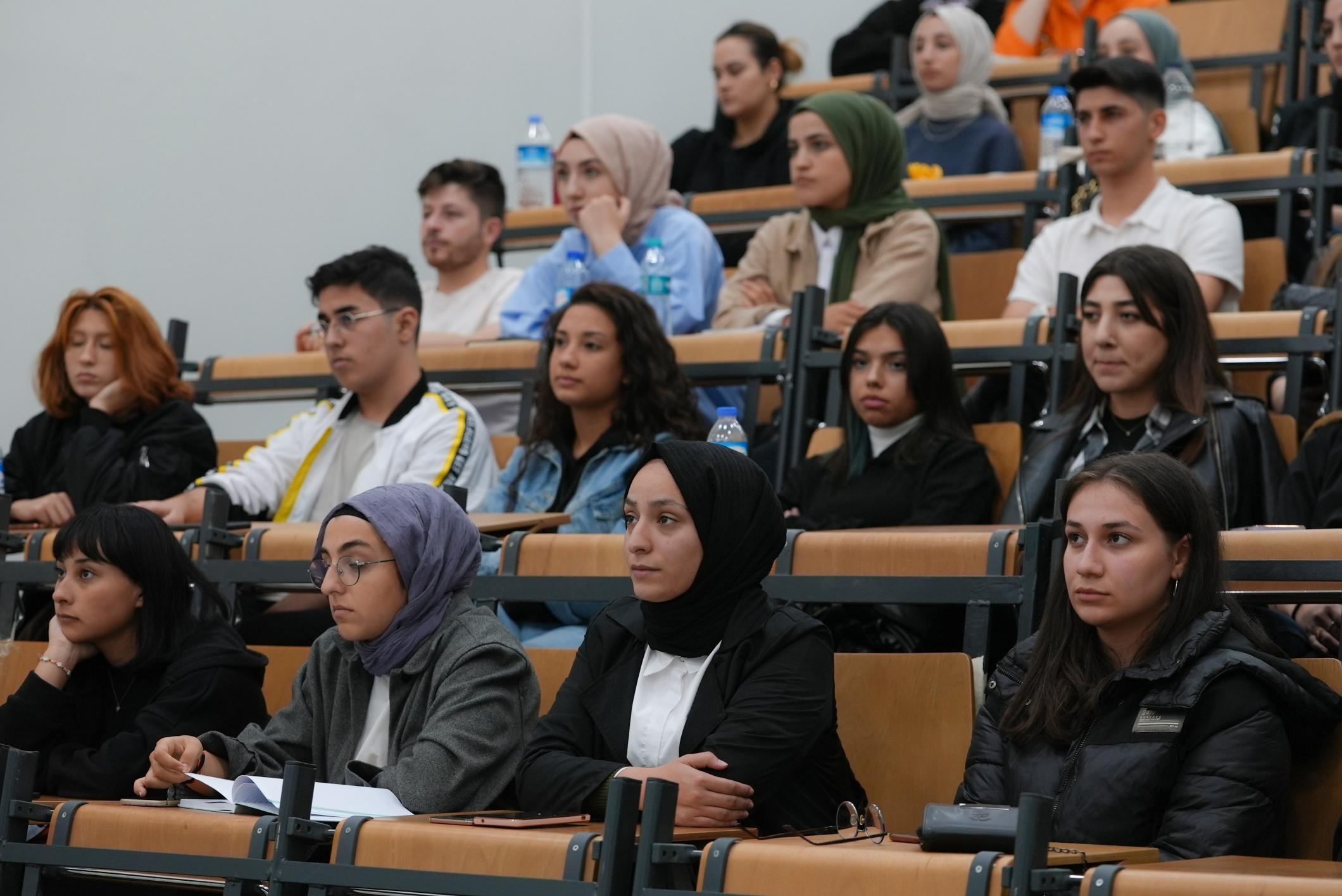
Today, Haliç University hosts over 20,000 students across 8 faculties, 1 school, 1 vocational school, a Conservatory Directorate and a Institute of Graduate Studies. With a broad academic spectrum ranging from health sciences to engineering, fine arts to sports, architecture to social sciences, the university embraces an educational approach that supports interdisciplinary work and addresses sectoral needs. Since its foundation, the university has produced more than 30,000 graduates. With a faculty and student body that stand out for their achievements at national and international levels, Haliç University contributes to building a future grounded in scientific productivity.

With a vision centered on design and creativity, Haliç University aims to nurture individuals who generate ideas, think differently, and develop solutions. Located in the heart of Istanbul, it offers a life space that grows through knowledge.