


 Geri
Geri


Publication Date:
Update Date:


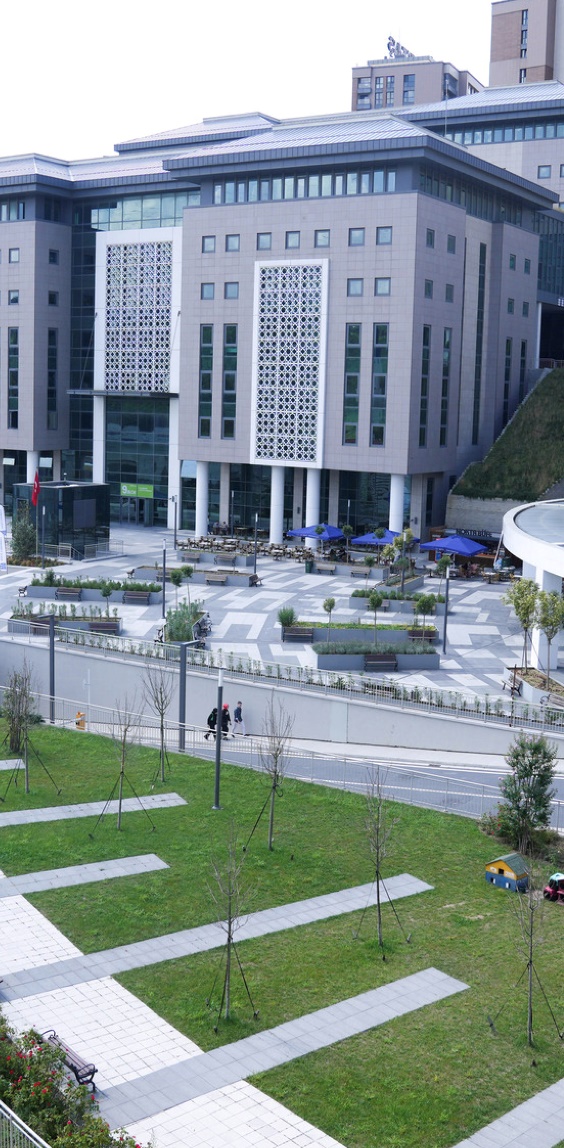
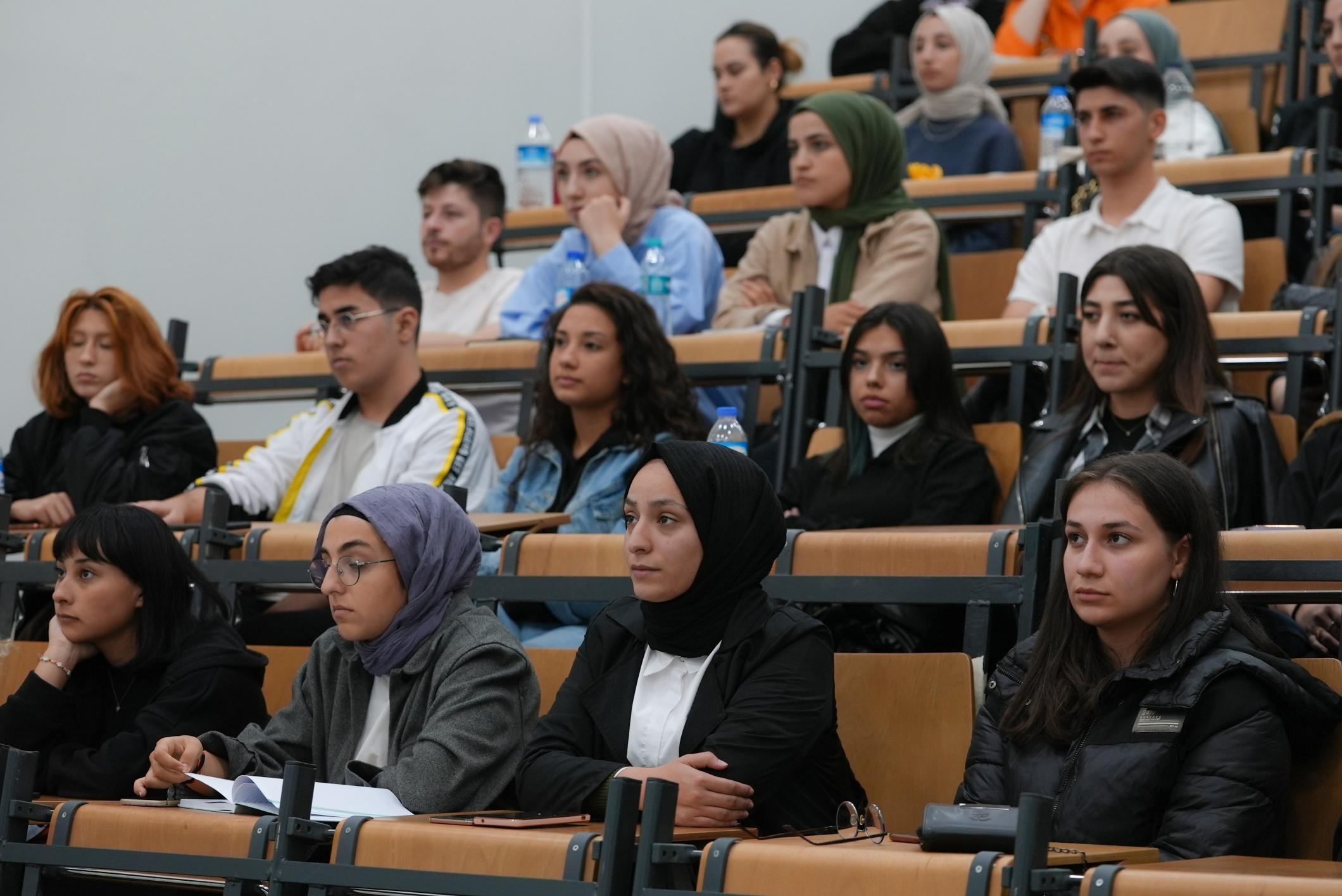
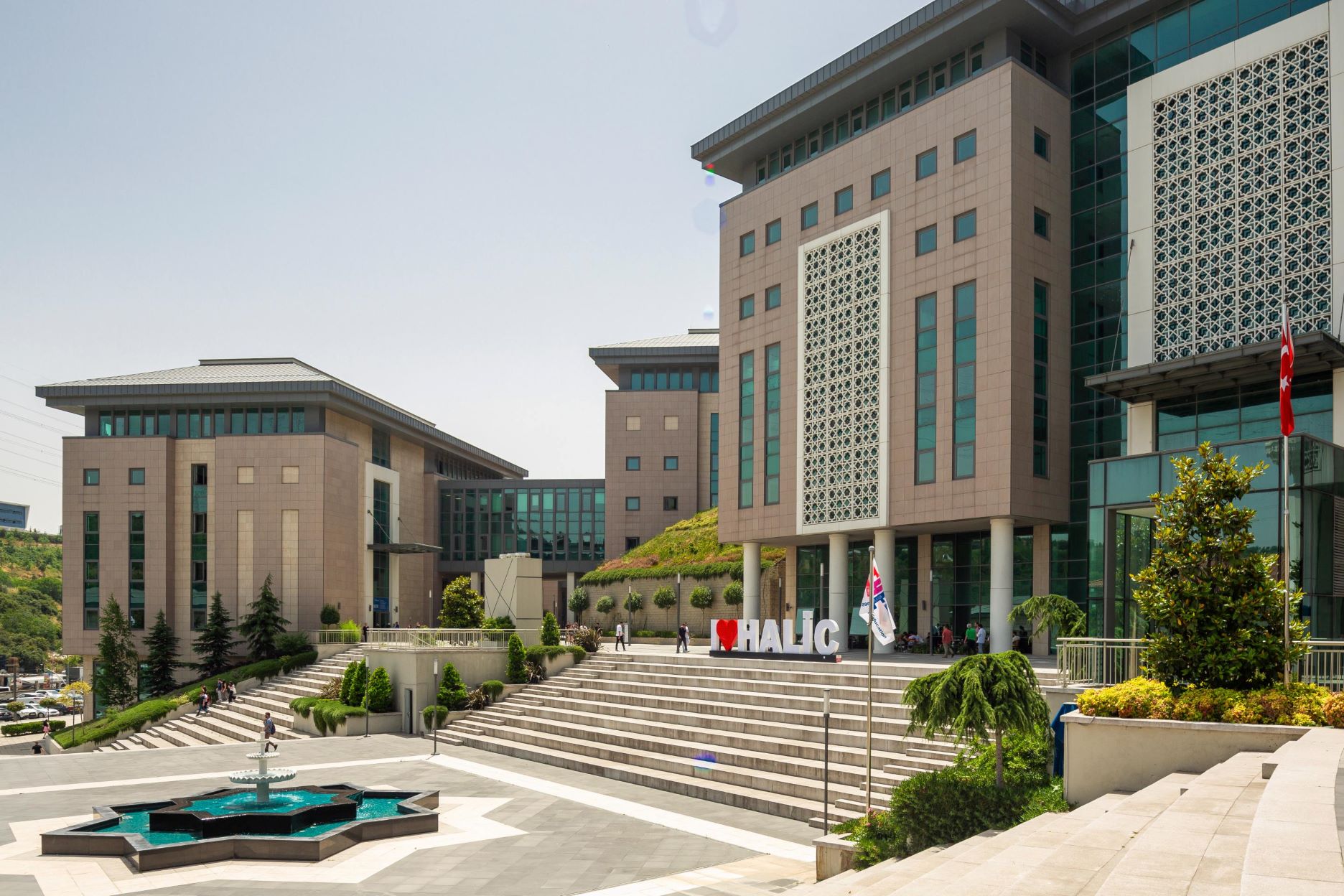


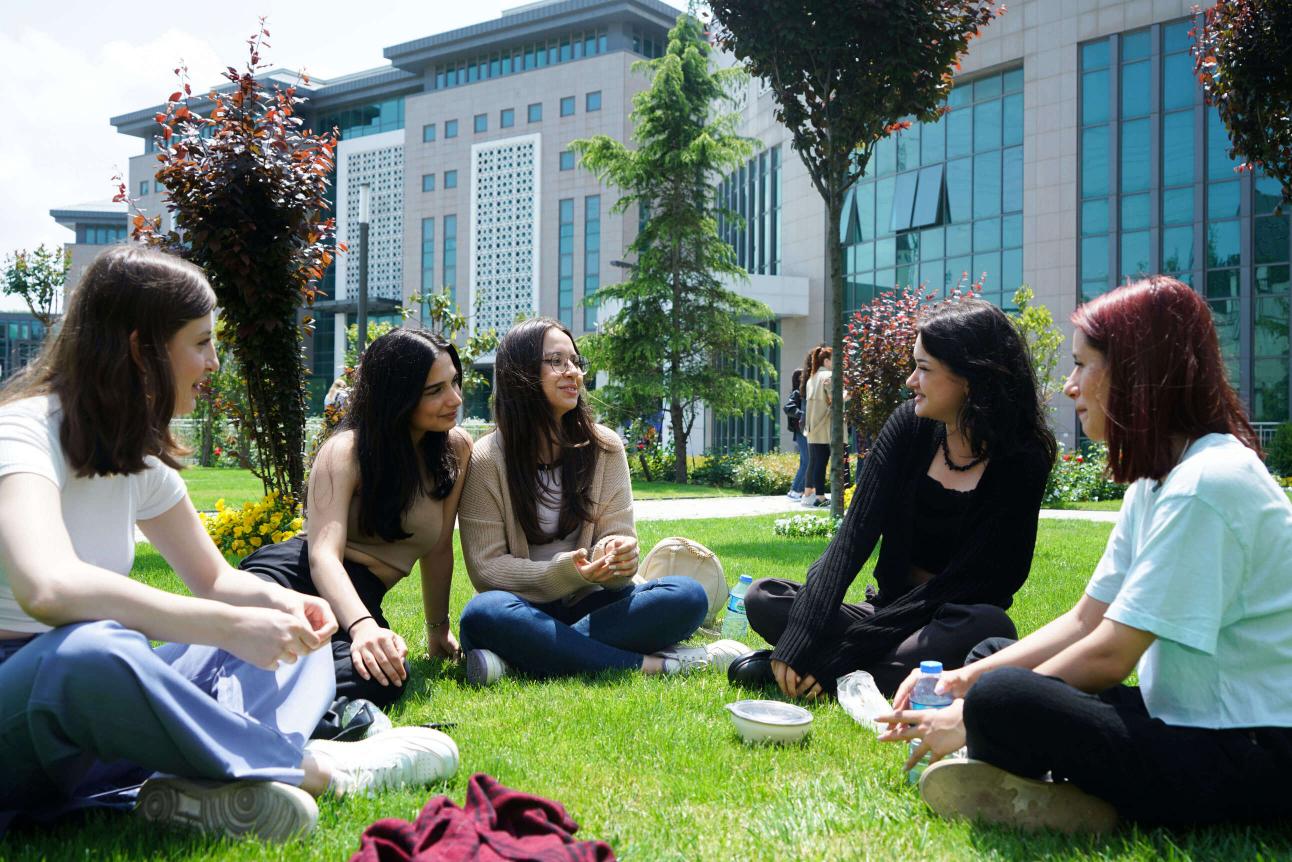
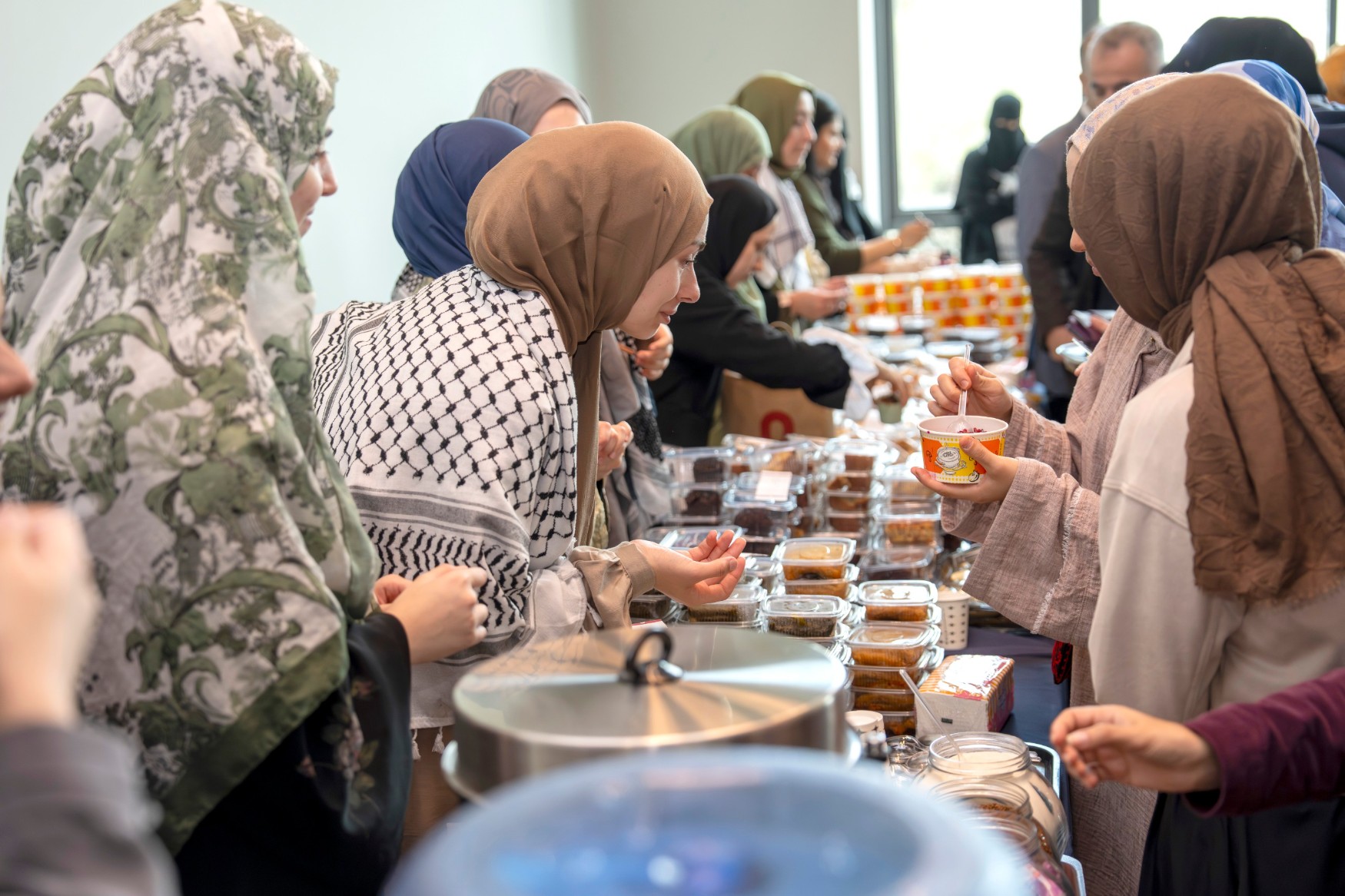
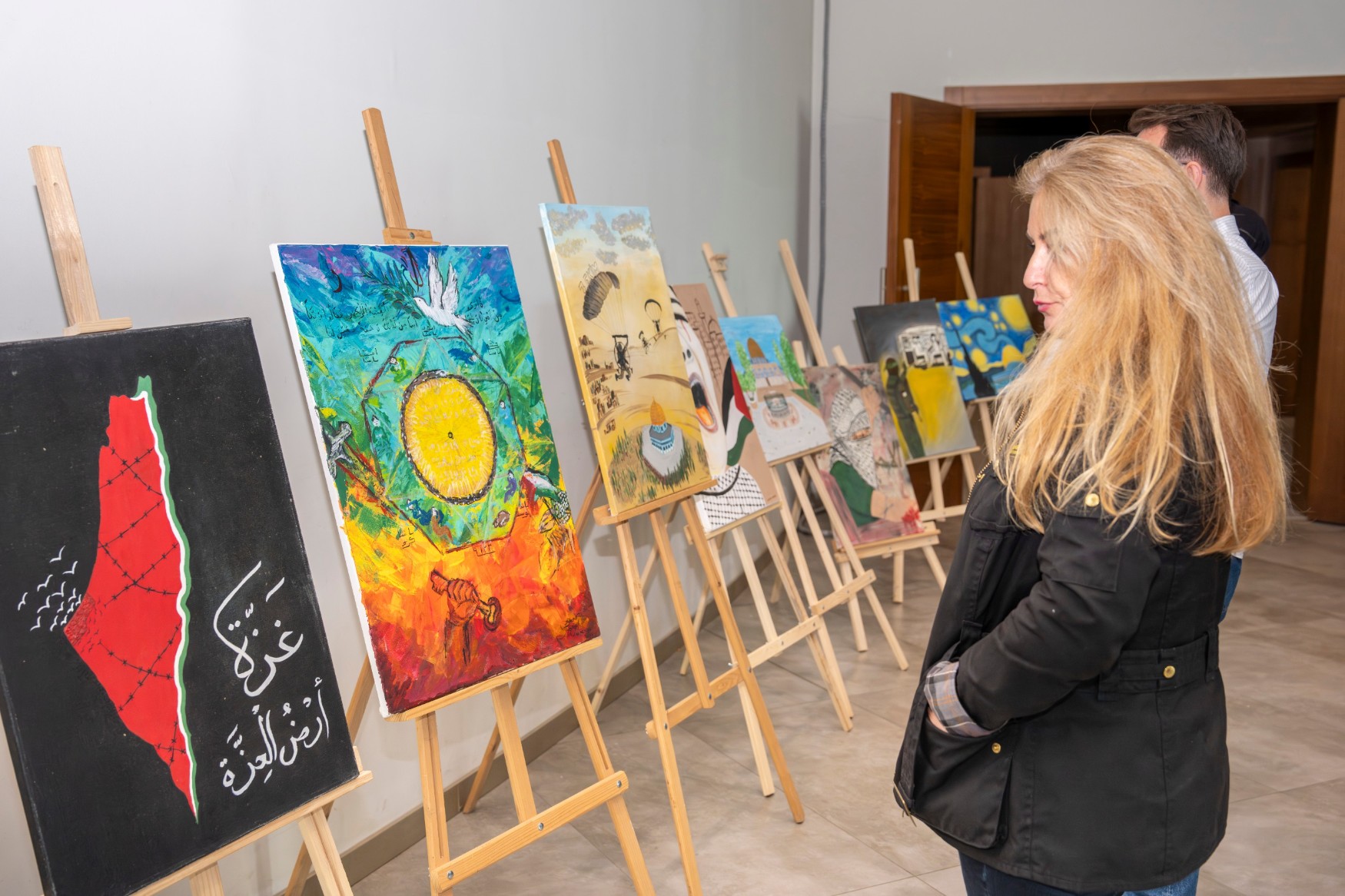
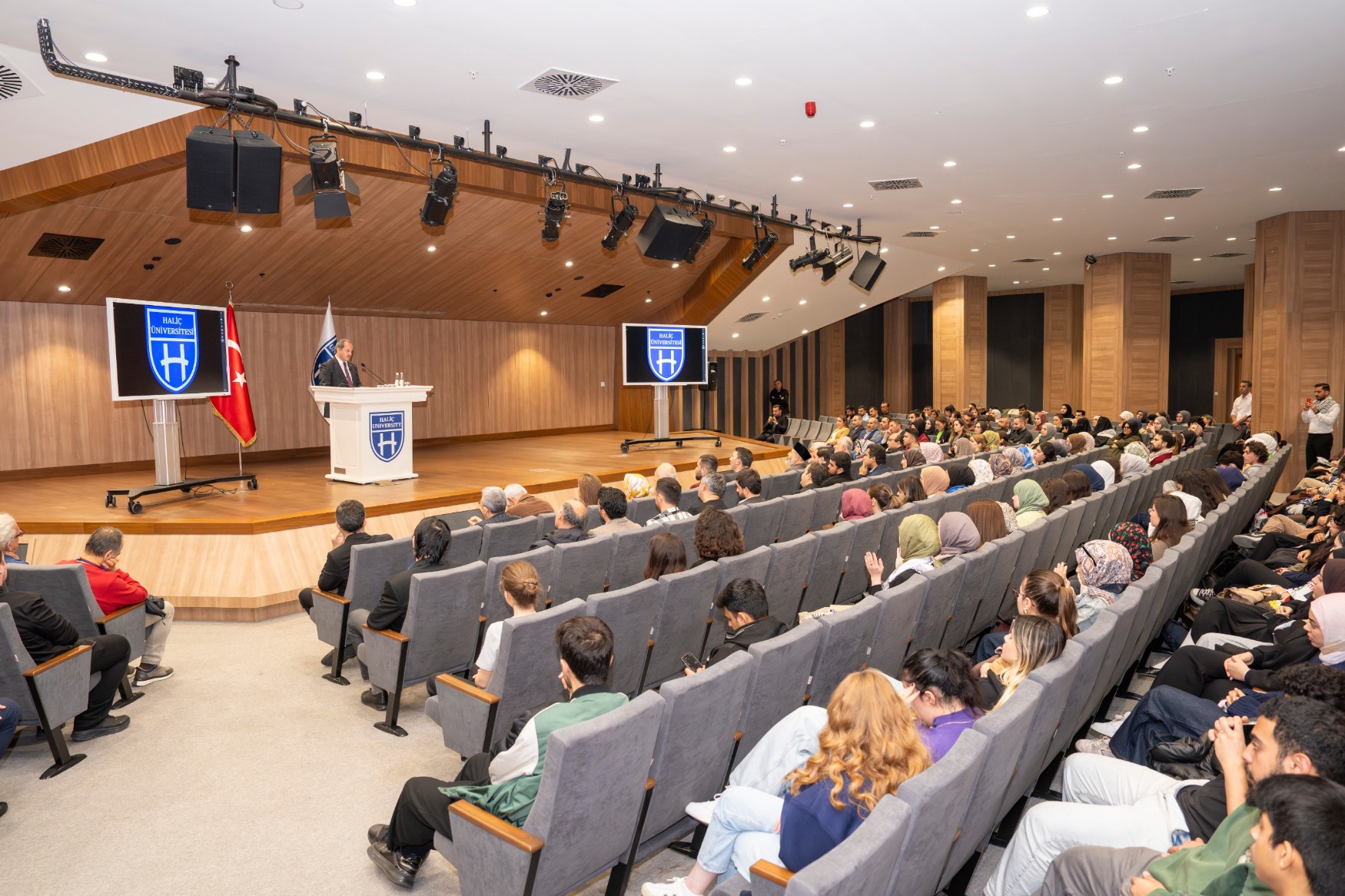
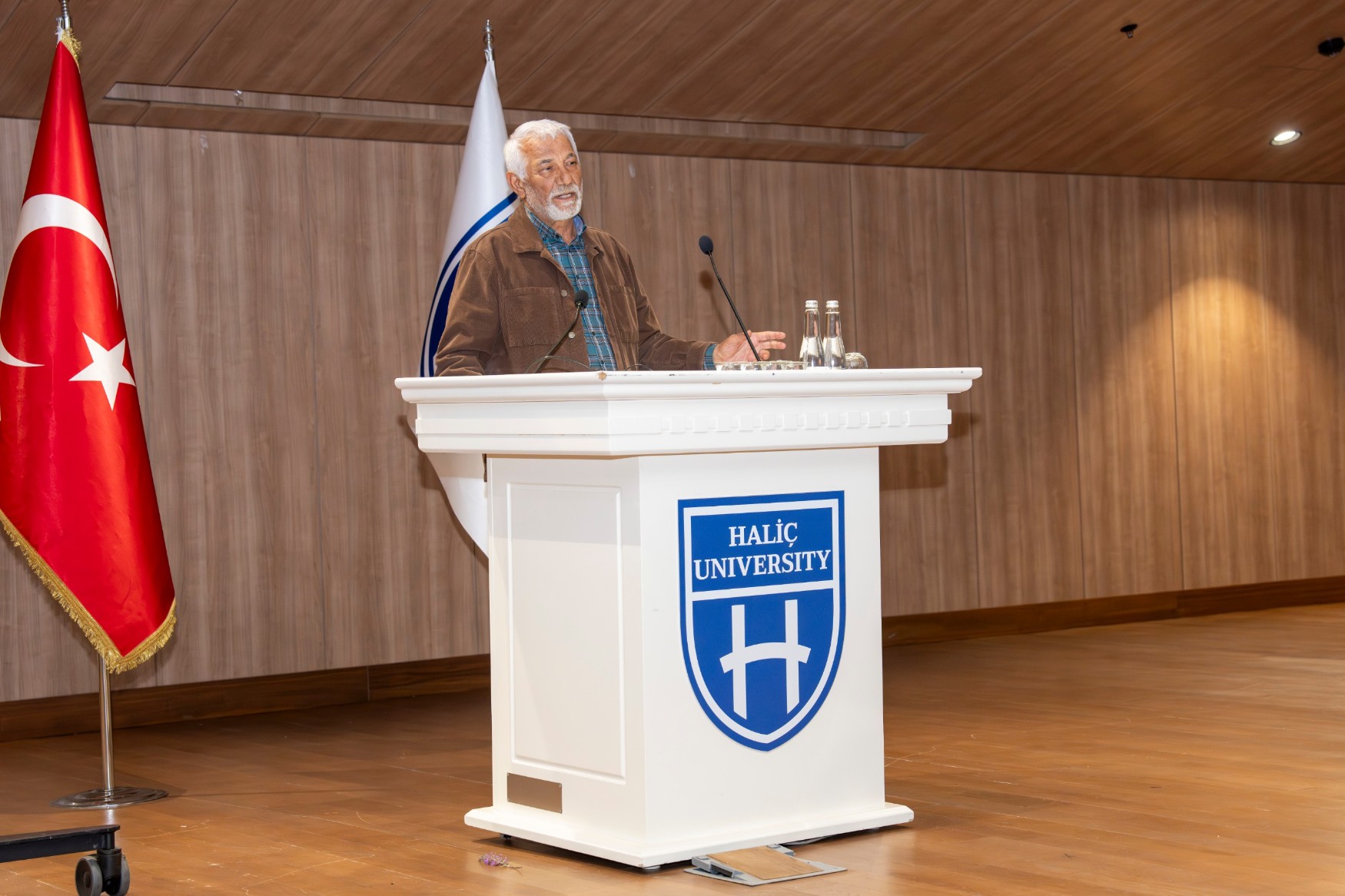
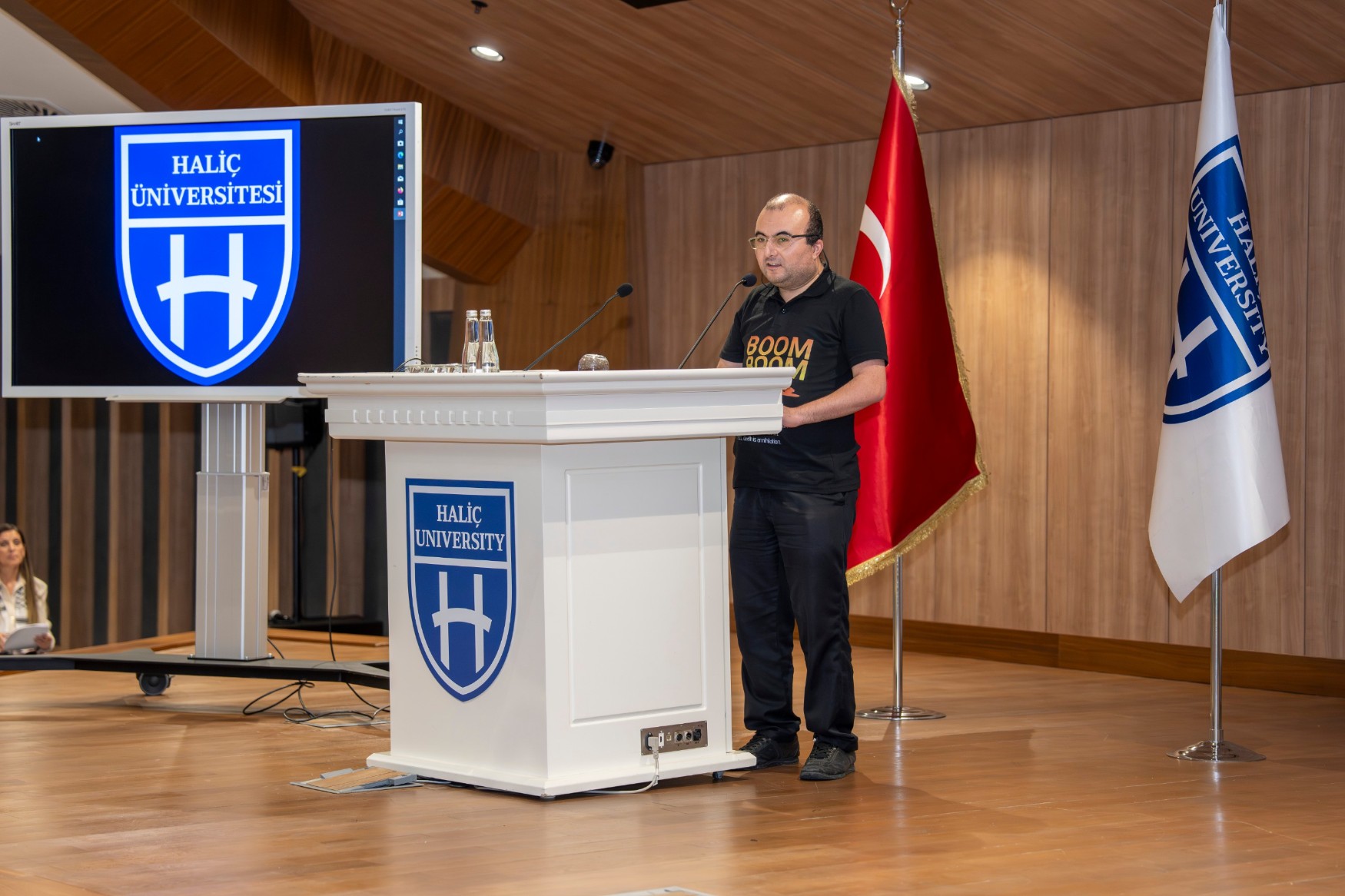
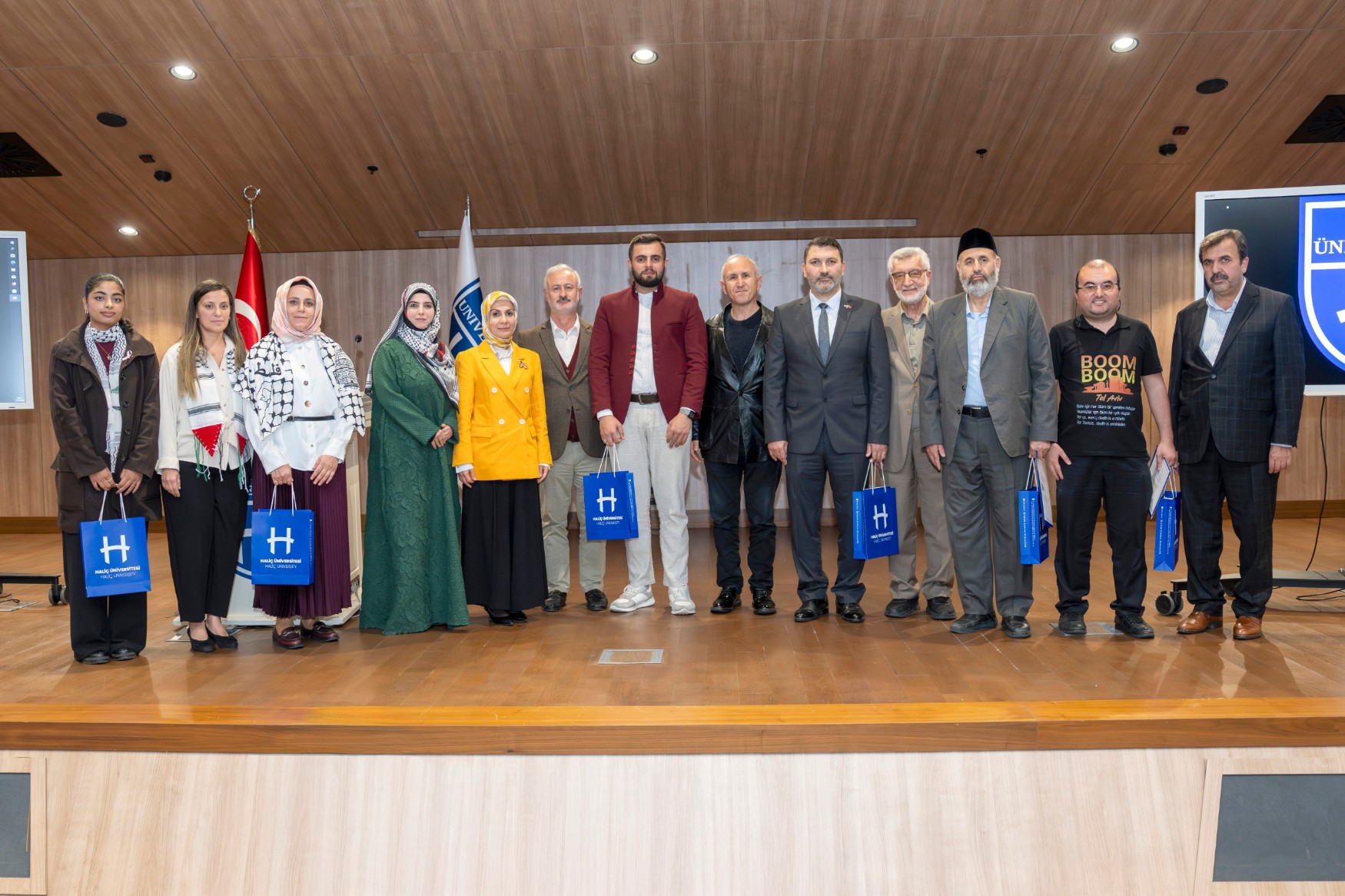
Organized by the Islamic Studies Student Society (İSAR) at our university, the International Palestine Conference titled ‘’The Test of Humanity in Palestine’’ was held with the participation of Rector Prof. Dr. Nihat İnanç, academics, and students. Prior to the conference, attendees showed strong interest in an accompanying exhibition and charity fair.
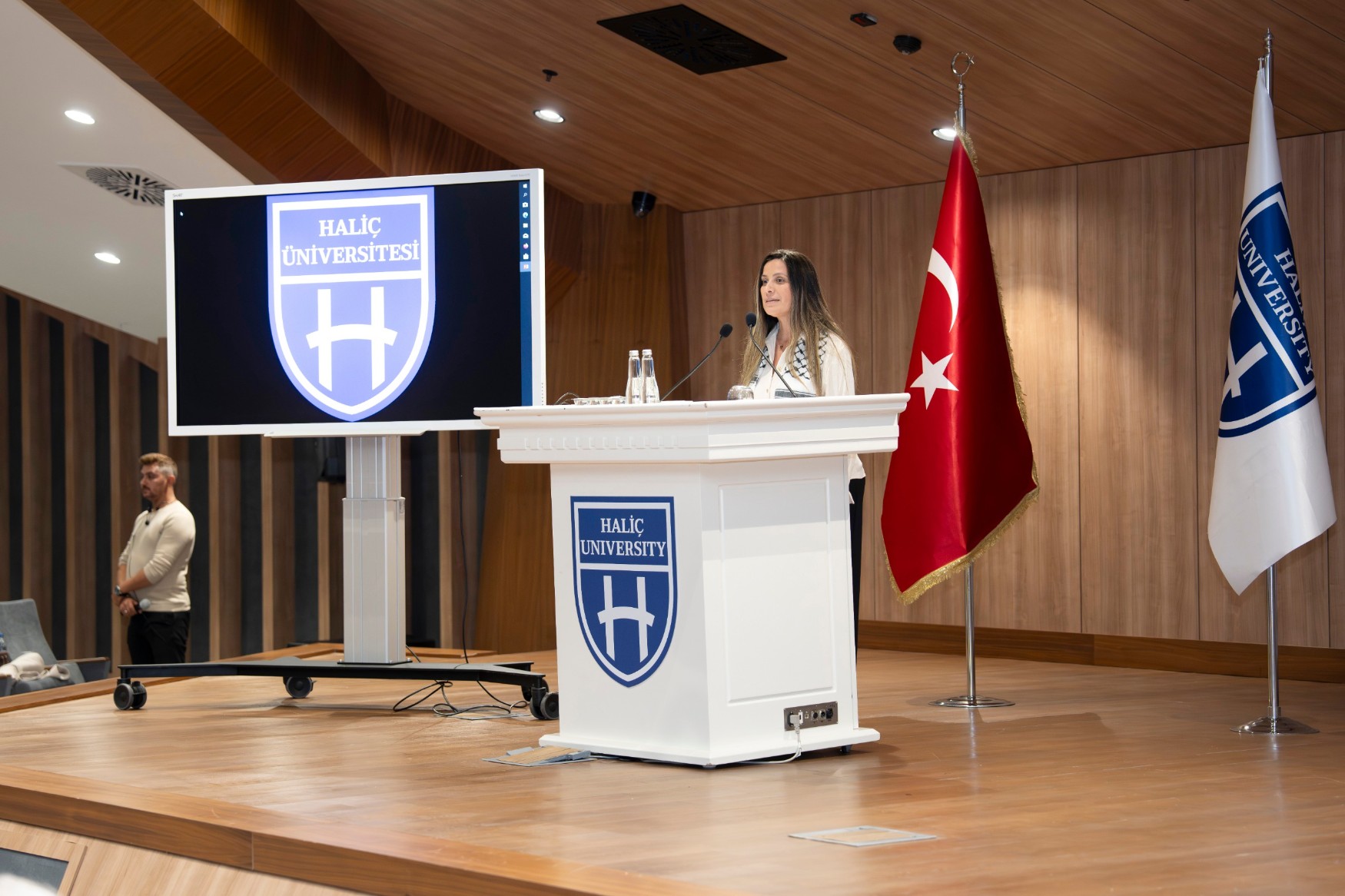
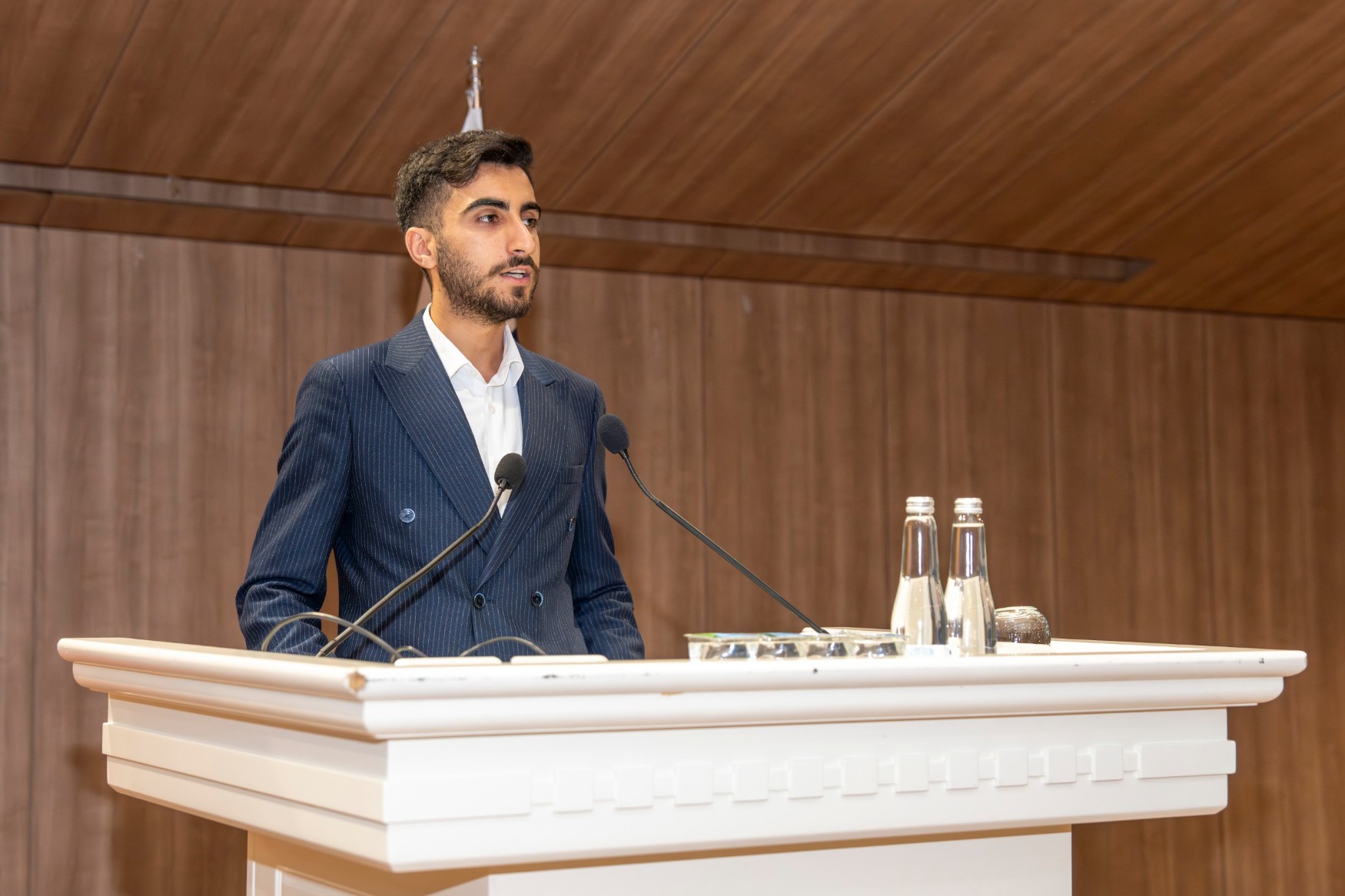
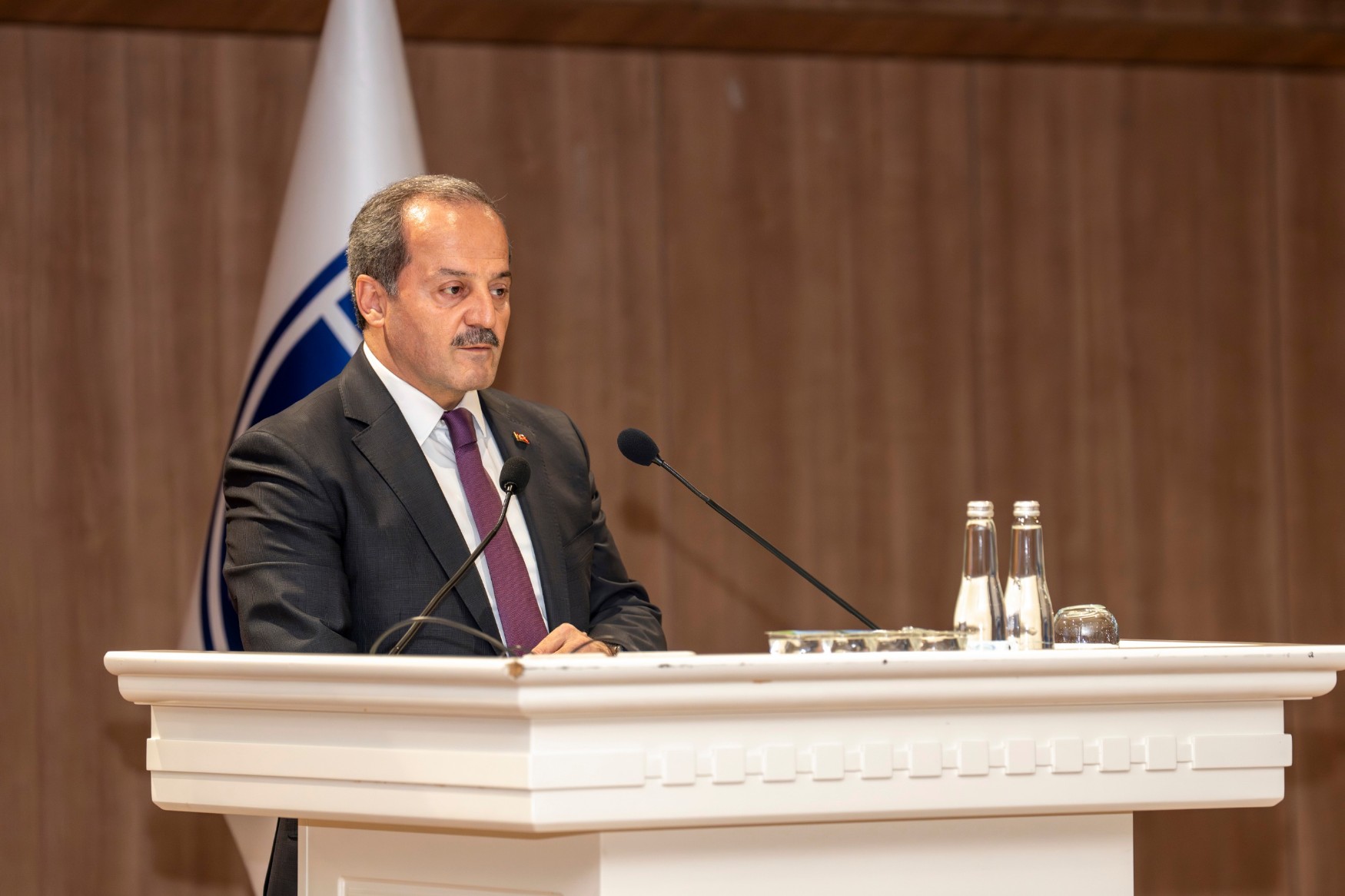
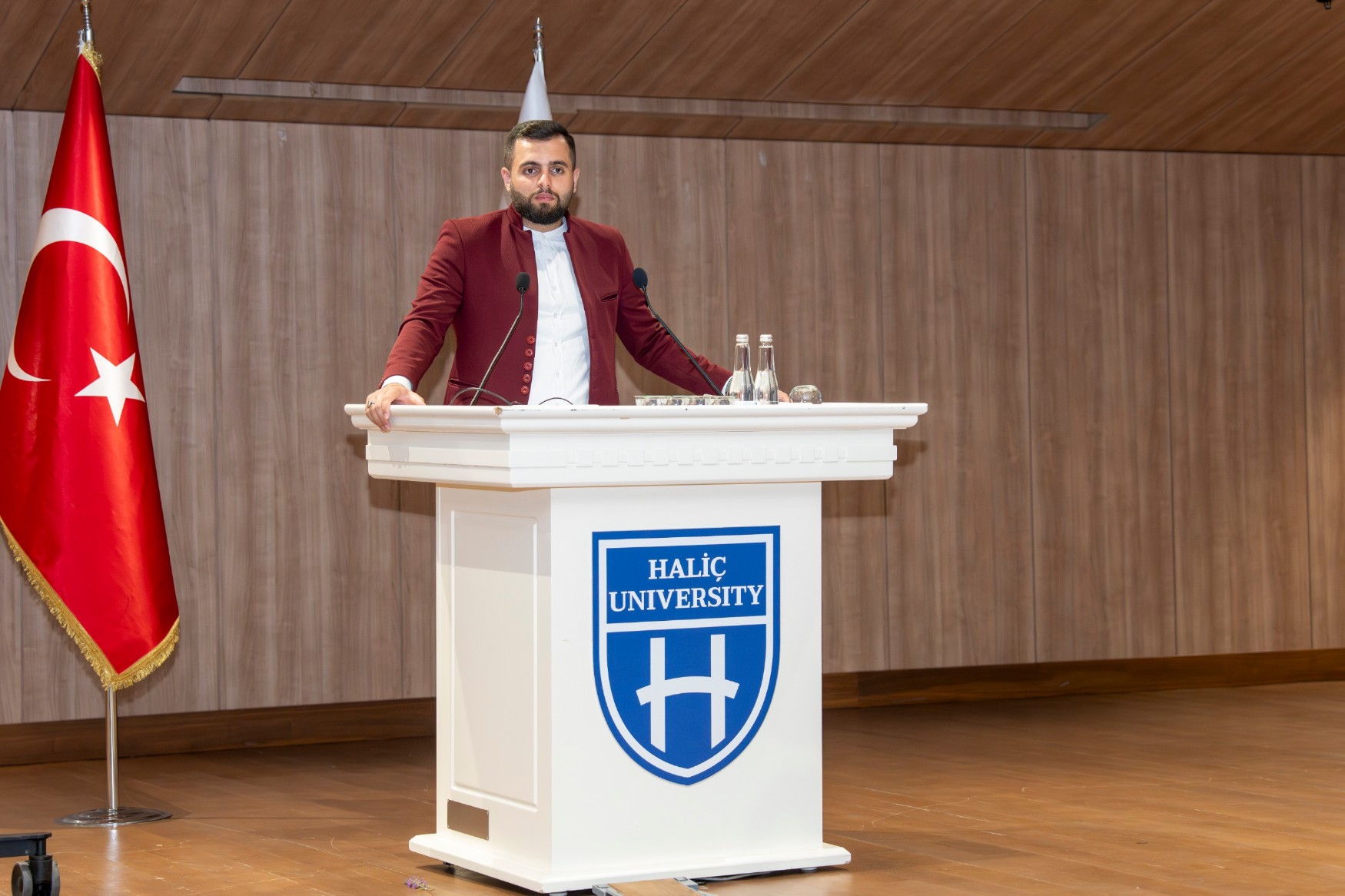
The event opened with a speech by Eyüp Ensar Özmen, President of İSAR. Following him, Rector Prof. Dr. Nihat İnanç emphasized the deep value of the Palestinian resistance. He recalled the late Nuri Pakdil’s words: “Jerusalem lies beside my heart; the rest of me stands over it like a veil of silk tulle,” to highlight the spiritual importance of Jerusalem for Muslims.
Prof. Dr. İnanç stated: “Pakdil’s words are a beautiful expression of his profound love and commitment to Jerusalem. In the Islamic world, three cities are revered: Mecca, Medina, and Jerusalem. Jerusalem is hardly different from Medina. Al‑Aqsa Mosque is one of Islam’s qiblas and a site the Prophet Muhammad urged believers to visit. That’s why Pakdil’s phrase ‘like a silk tulle’ is so fitting. When we speak of Gaza, we’re referring to the broader Palestinian narrative—not just Gaza, but Palestinian history as a whole. By studying the past, we can better recognize the responsibilities we face today.”
Discussing the historical context, Prof. Dr. İnanç spoke of Israel’s foundation and the atrocities committed in Palestine, drawing attention to what he characterized as the silence of the Islamic world in the face of this genocide. He lauded the reactions of Western societies as examples worth considering, quoting Cahit Zarifoğlu: “Jerusalem is a test paper before every believer,” to underline Jerusalem’s role as a moral and spiritual trial for Muslims.
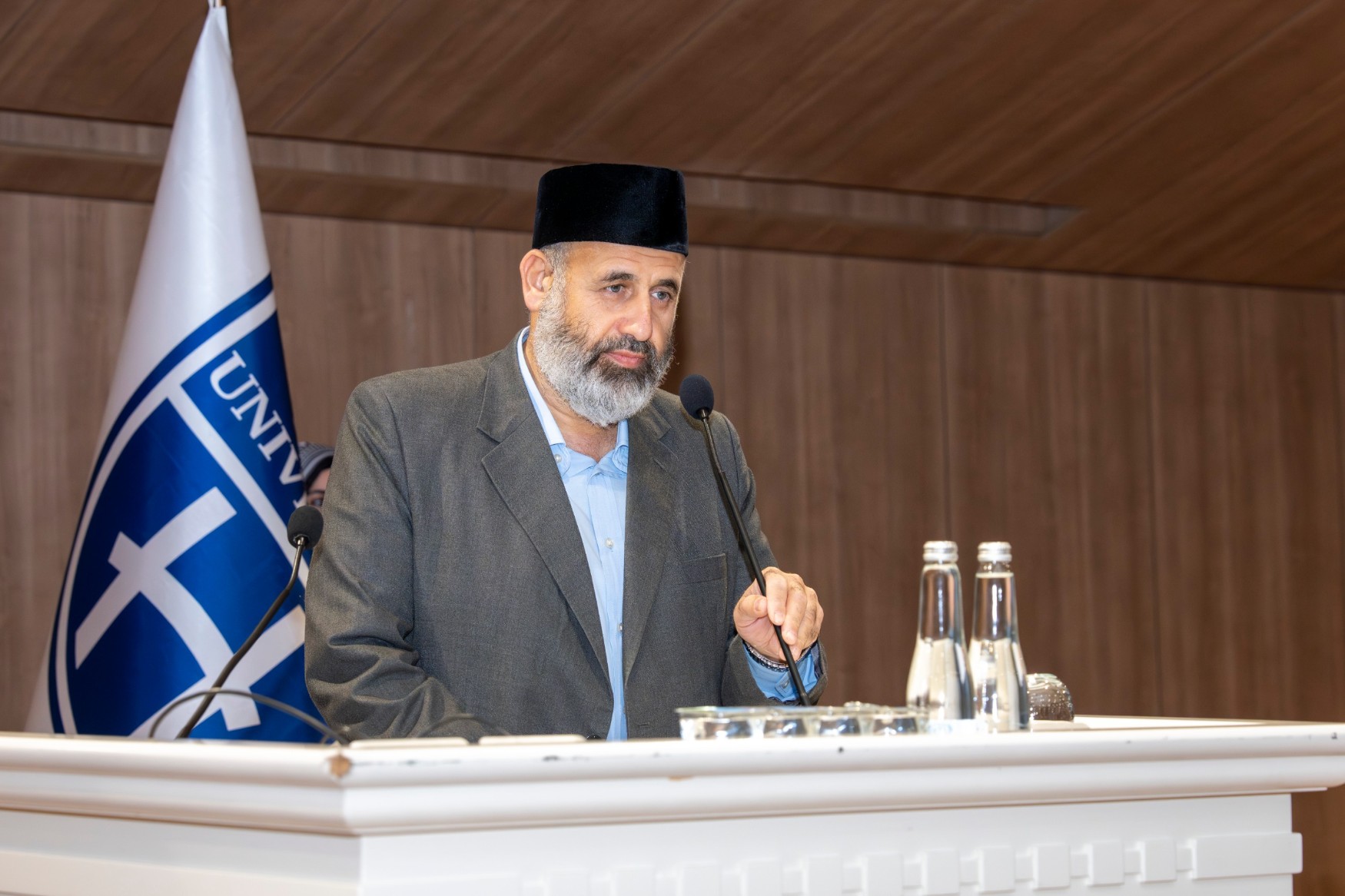
Next, Dr. Nawaf Takruri, President of the Union of Palestinian Scholars, addressed the conference. He acknowledged multiple challenges but affirmed that their ultimate objective is victory. He described a hard-fought path, stating that despite limited external support, they persist with unwavering resolve. Dr. Takruri insisted that defending Palestinian land is a shared duty—not only for Muslims but for all freedom-loving people. He framed Palestine as a matter of existential importance for Muslims and underlined the need to protect holy sites such as Mecca, Medina, the Dome of the Rock, and Al‑Aqsa Mosque. He urged empathy for Jerusalem’s pain and called for academics, students, and free individuals to stand in solidarity. Critiquing Western double standards, he asserted that Palestinian resistance offers humanity a lesson in dignity and values.
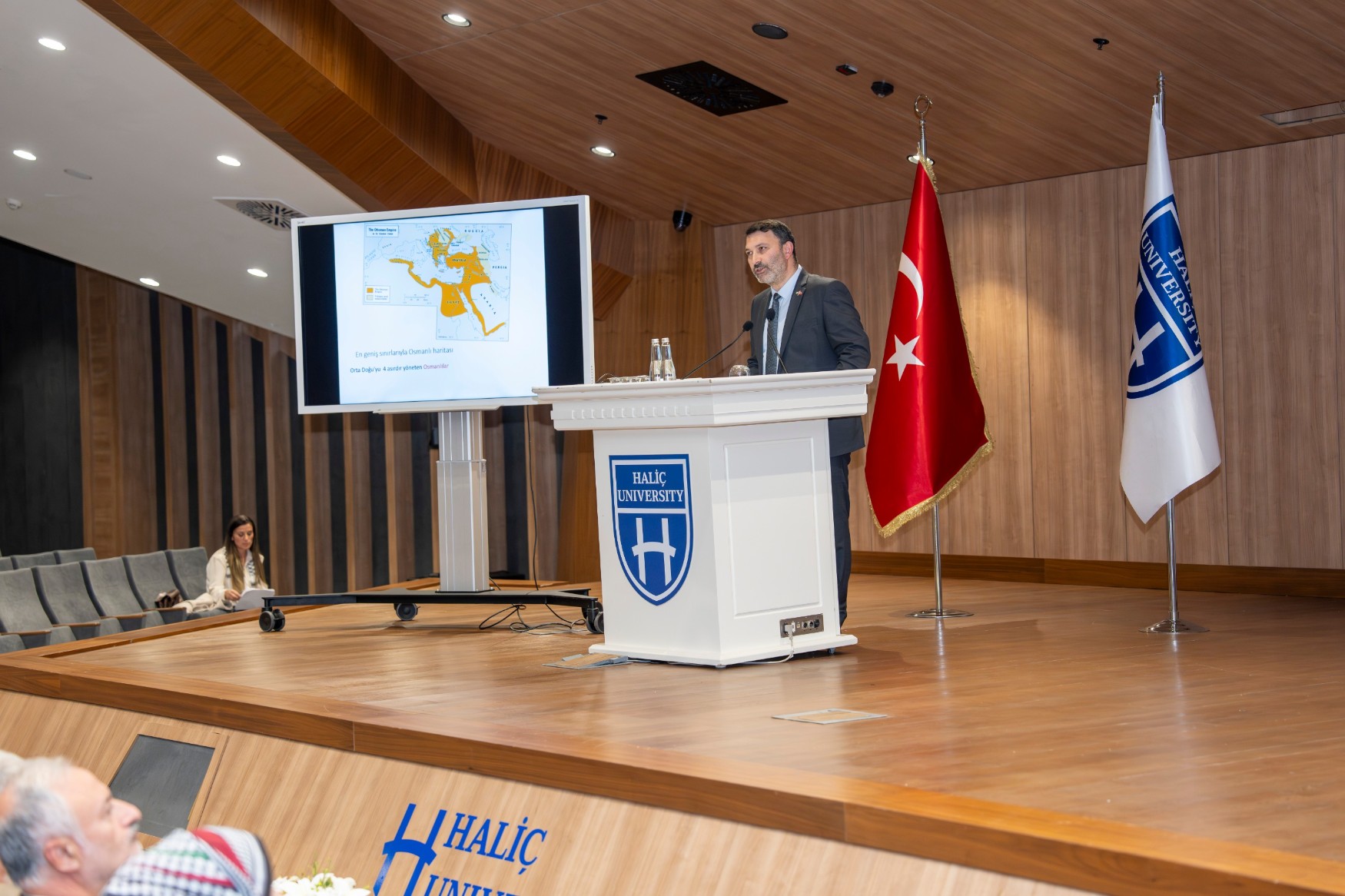
Later, Prof. Dr. Hasan Boynukara, Director of the School of Foreign Languages, recited a poem reflecting on the massacre in Palestine. Following him, Assoc. Prof. Dr. Ebubekir Ceylan from Istanbul Technical University traced the historical background of the Palestinian struggle—from Ottoman times through the Balfour Declaration and the establishment of Israel—and discussed how these events shaped contemporary conflicts. He emphasized that Palestine is not a regional problem, but a global issue. He pointed out that many intellectuals remained passive historically, but the Gaza genocide has changed that stance.
Dr. Ceylan elaborated on British support for Zionism through secret agreements, such as the Balfour Declaration, Jewish immigration trends in the 20th century, the mandate period, the activities of Zionist organizations, and the violent structure underlying Israel’s 1948 foundation. He warned that today’s tragedies in Gaza threaten not just Palestine but global peace, and urged a collective human response against such injustice.
Researcher and author Naim Ayyoubi then addressed the audience, drawing attention to the historical roots of modern Middle Eastern conflicts. He discussed how foreign powers reshaped the region and how existential concerns and weakening neighboring states fed into today’s dynamics.
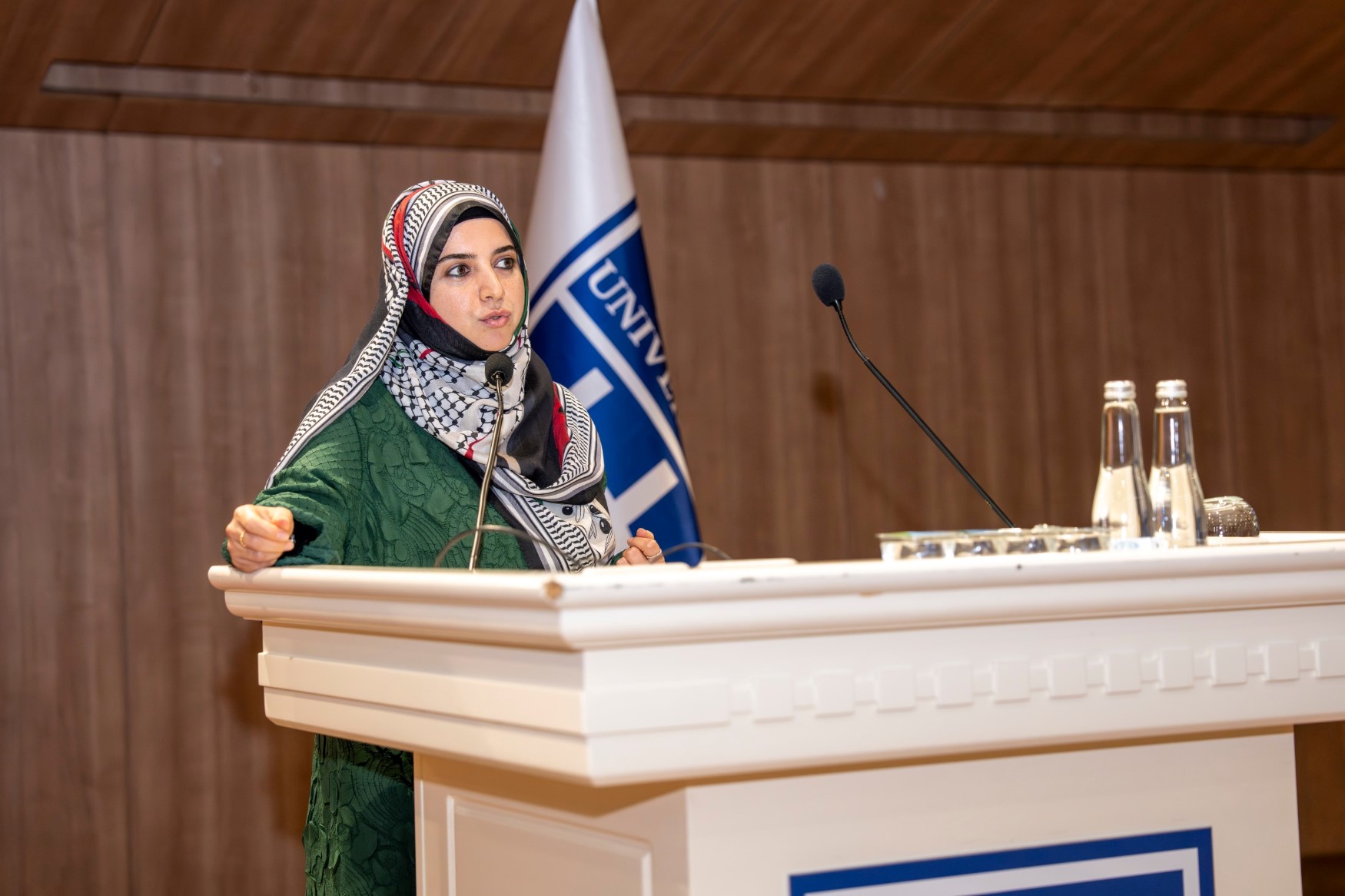
Dr. Rukiye Demir, one of our faculty members, shared her experiences from Gaza, noting that she was the first international student to enter the region under such conditions. She painted a picture of life there as exceedingly difficult and complex, especially under daily bombardment over seven years. She described walking through devastated areas, witnessing locals begin rebuilding before children’s eyes, and shared stories of resilience, solidarity, and hope drawn from long-term observation. Her account gave the audience an intimate look at Gaza’s reality: not only the destruction but the human will to survive and rebuild.
The program continued with Muhammed Emin Necipsoy performing a traditional Palestinian piece. Discussions throughout the day covered the humanitarian, political, and historical dimensions of the Palestinian tragedy. The conference concluded with the presentation of certificates of appreciation.


The cookies used on our website are categorized into specific groups. Below you can find information about these categories and choose to allow some or all of them, or reject them.
 Summarize with ChatGPT