


 Geri
Geri


Publication Date:
Update Date:


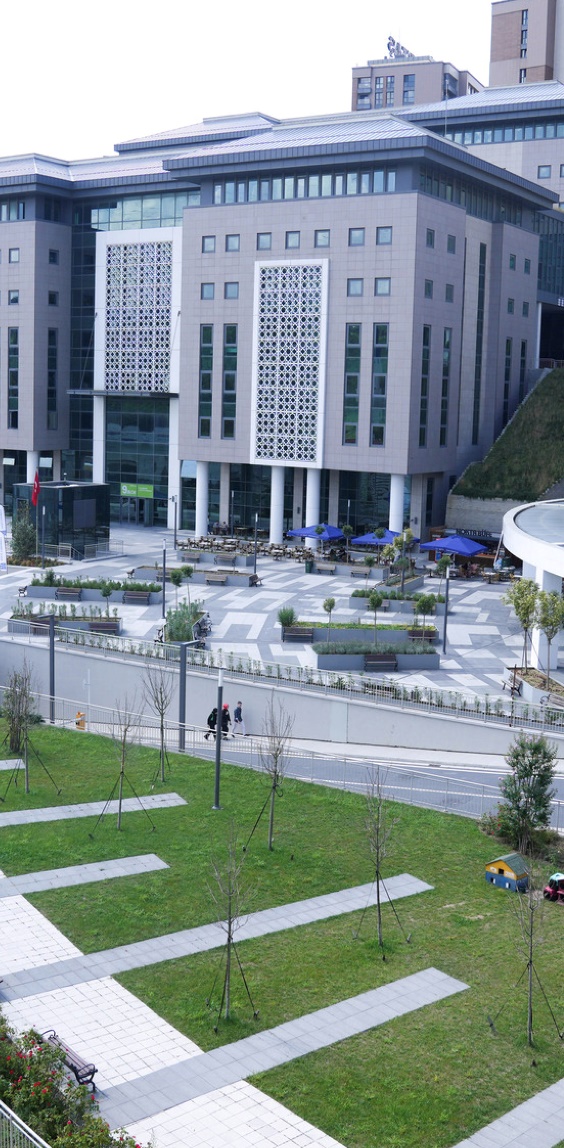
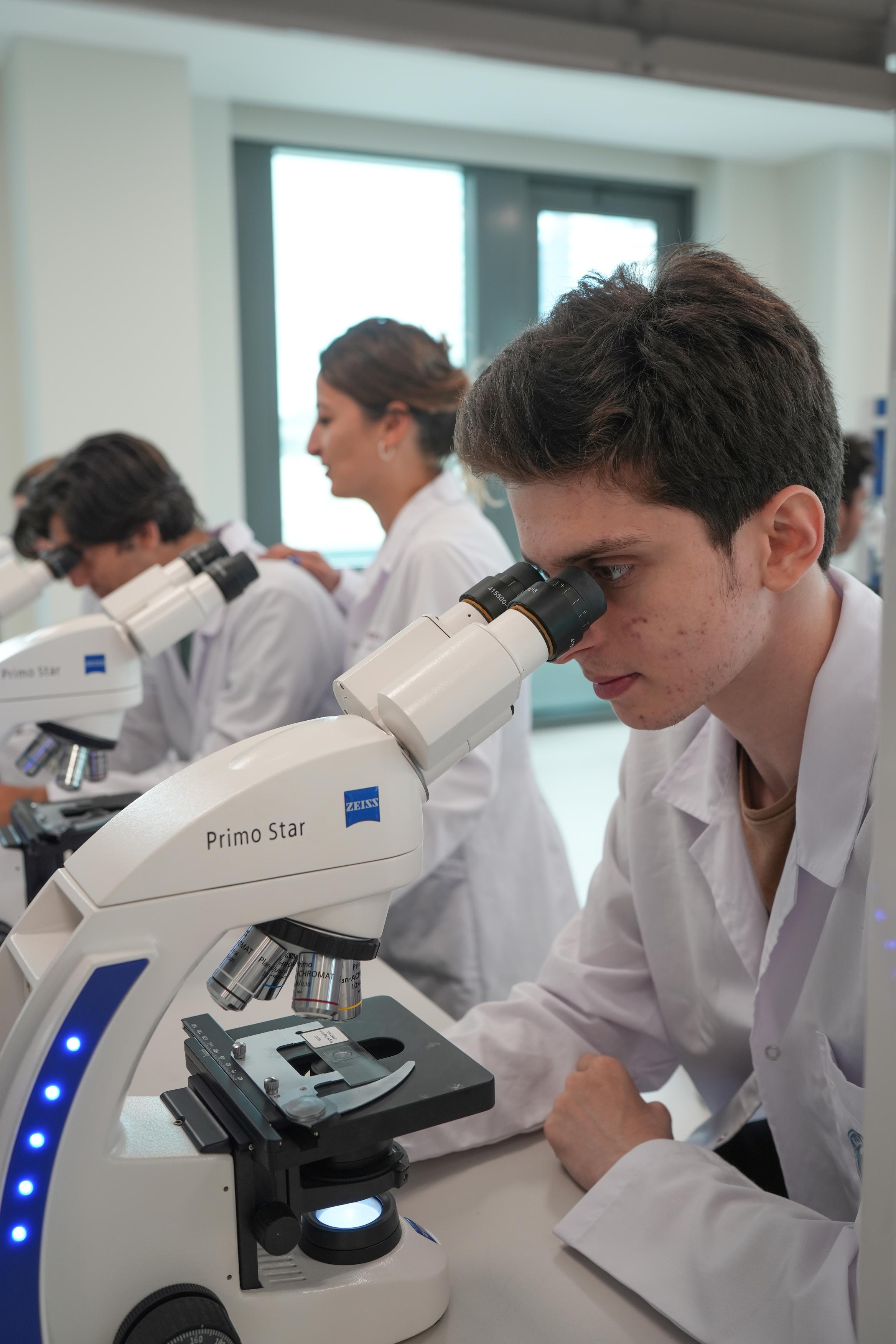
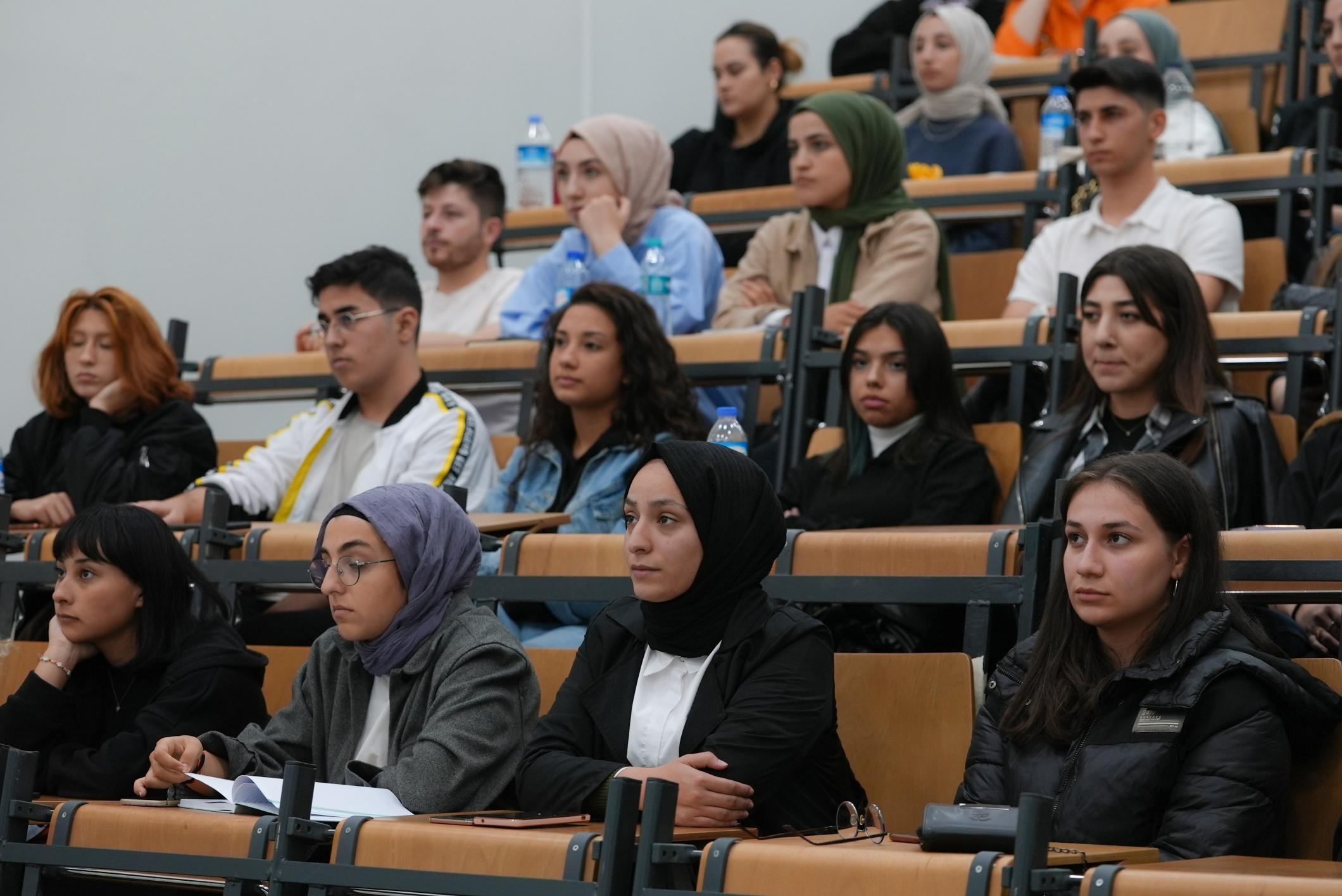
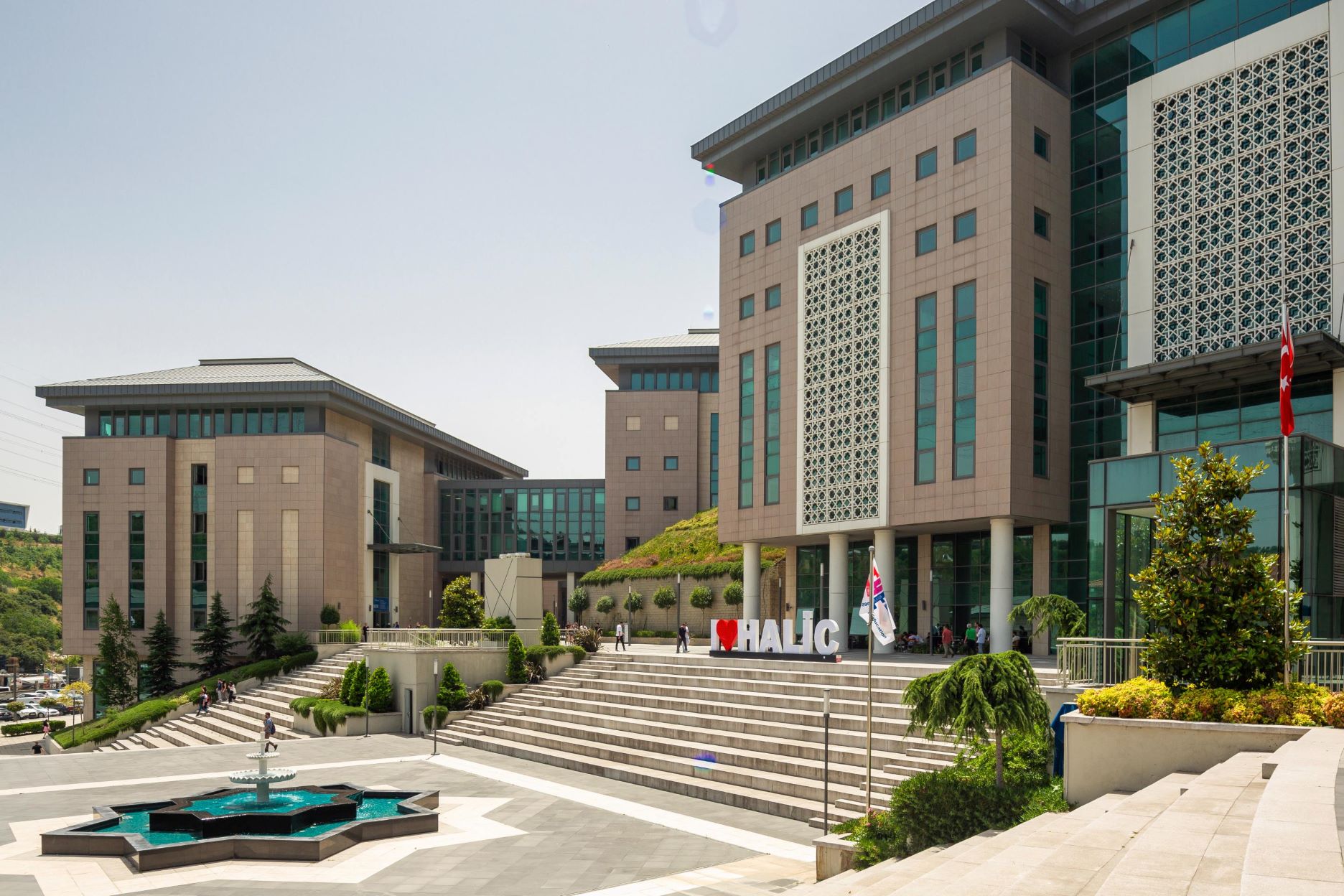


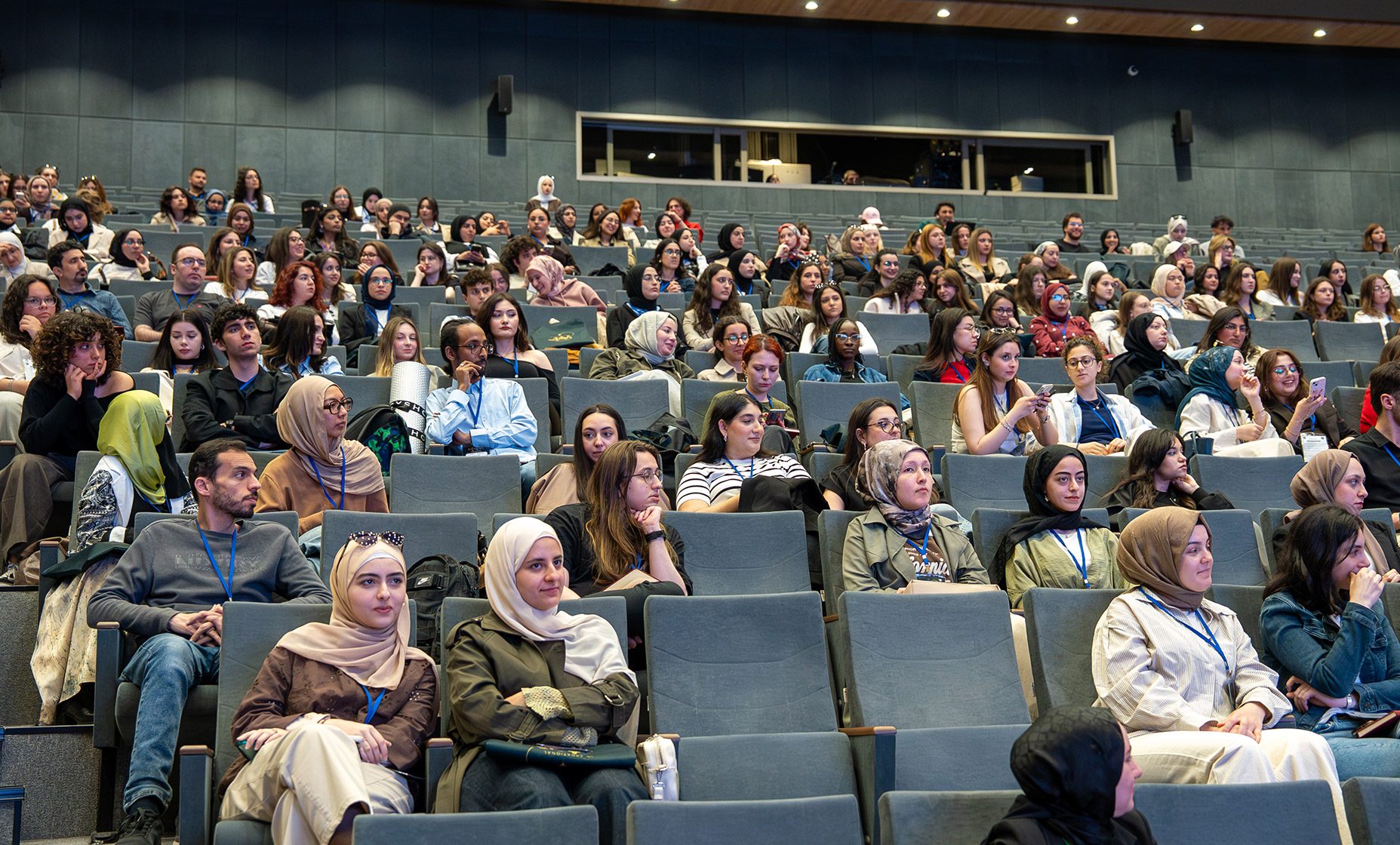
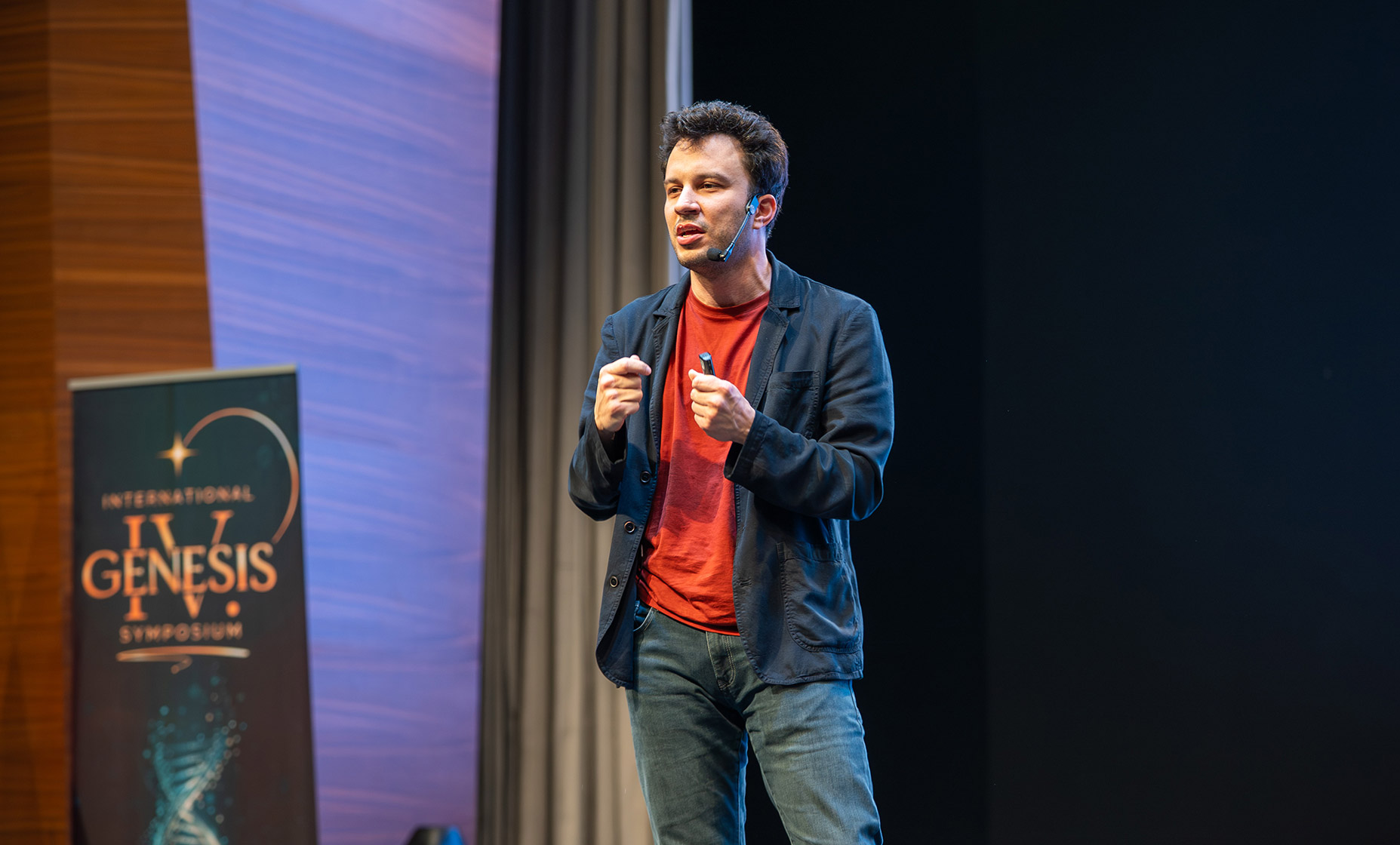
The “4th International GENESIS Symposium,” organized by our University Genetics Society, brought together distinguished academics and researchers. With international participation, the symposium covered recent studies in interdisciplinary fields such as molecular biology, artificial intelligence, synthetic biology, neuroscience, and cancer research.
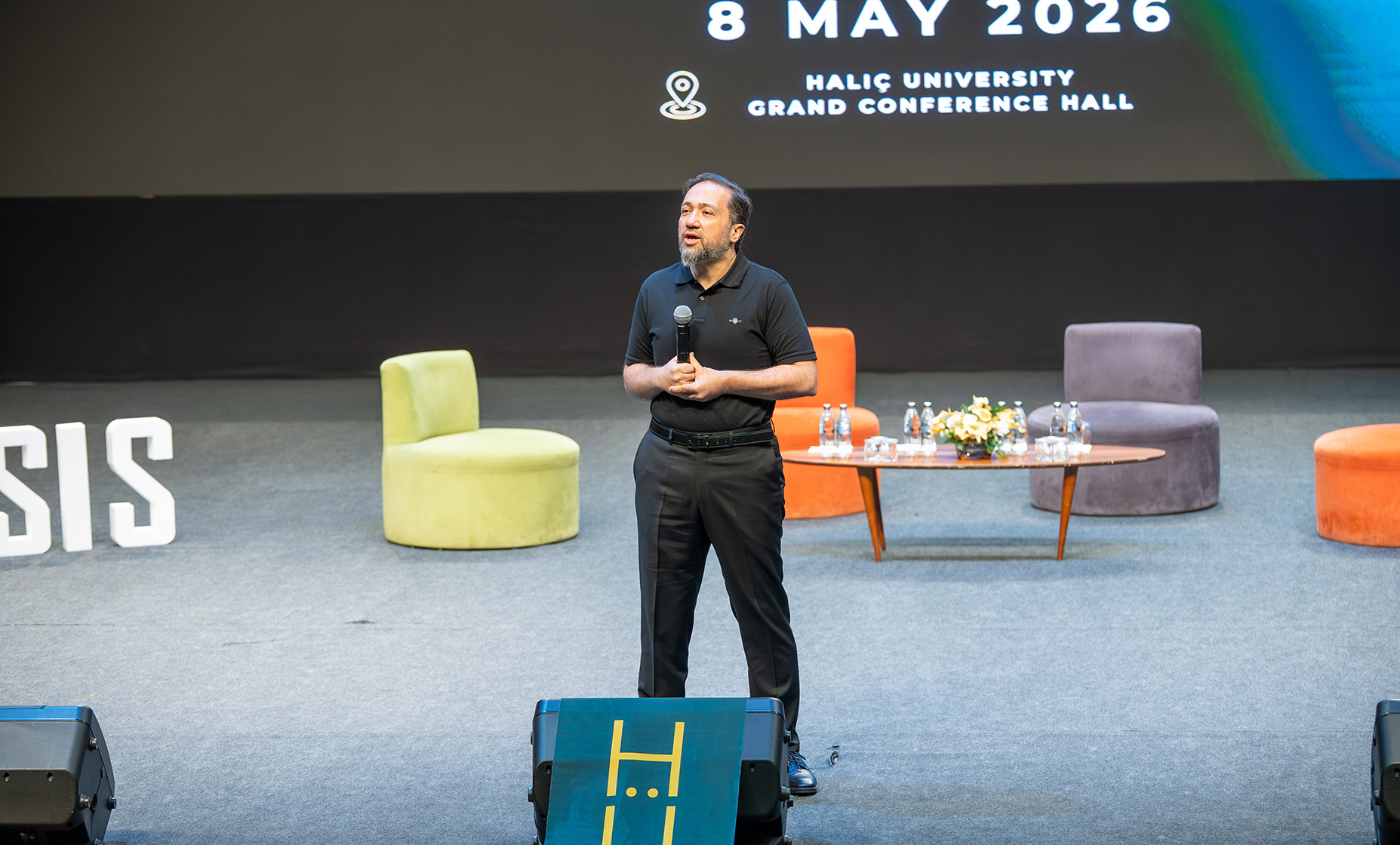
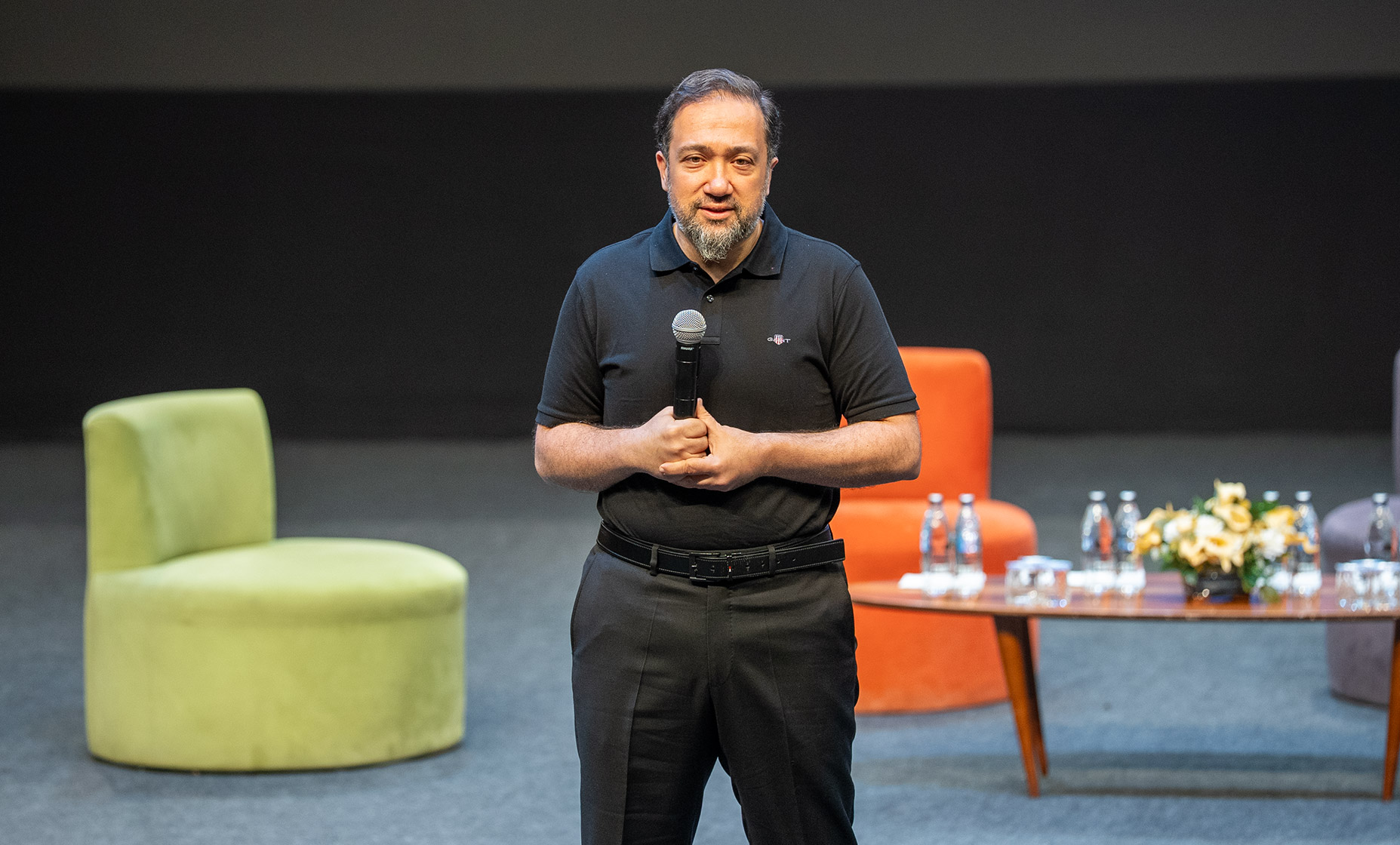
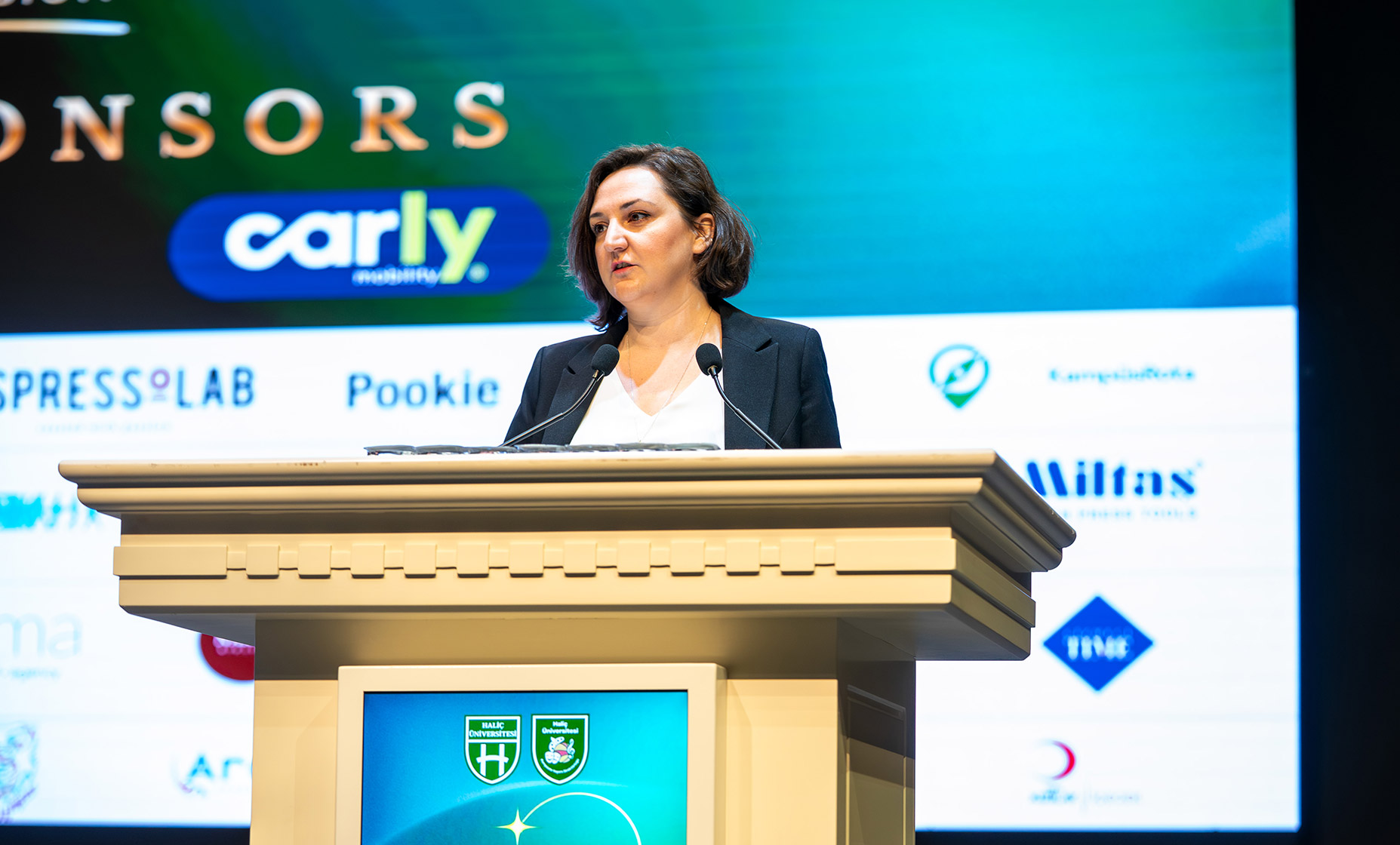
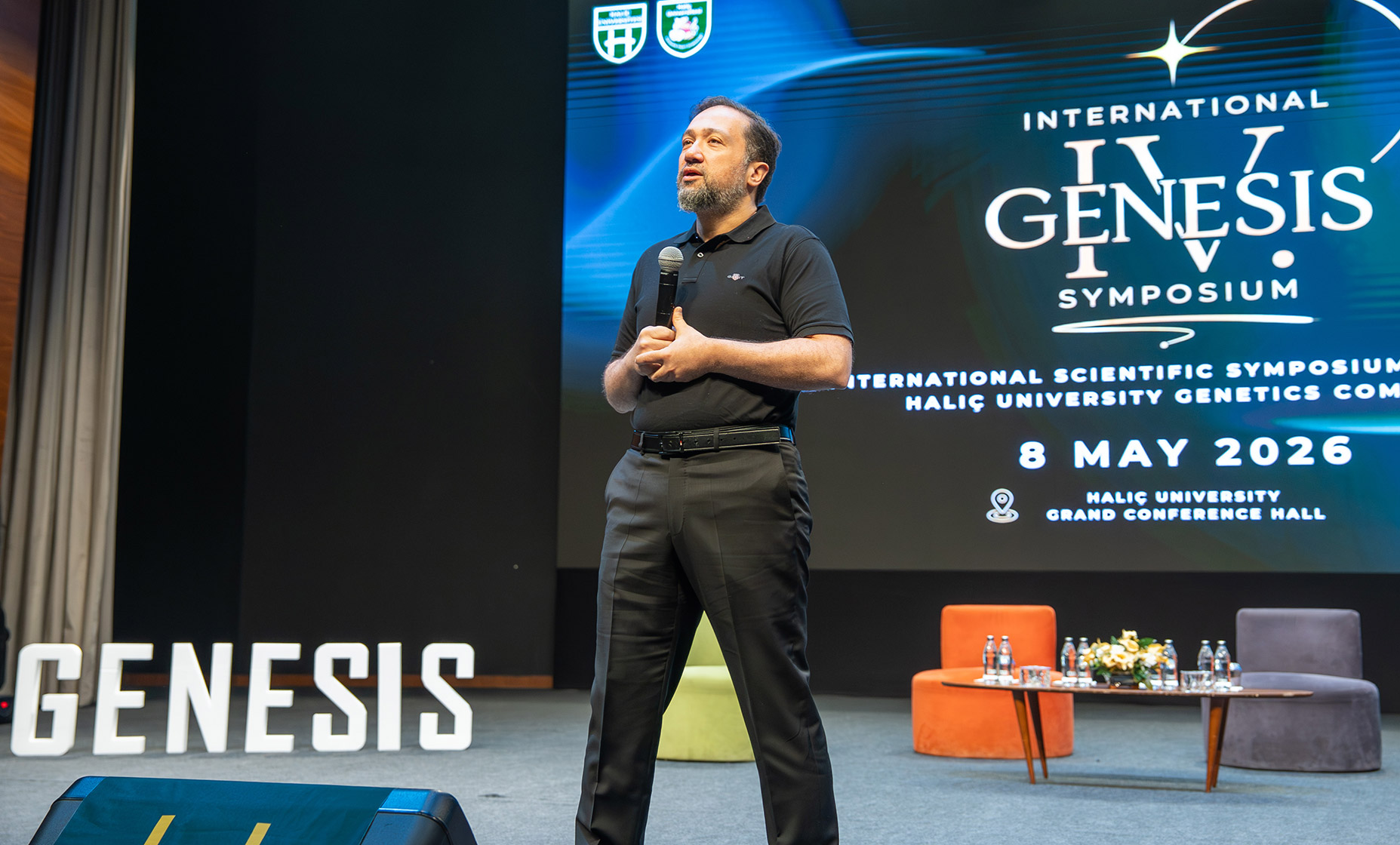
The seven-session program opened with remarks by our Rector Prof. Dr. Enes Eryarsoy and Dr. Allison Pınar Eronat. Dr. Eronat noted that the symposium being held at an international level for the first time is an important development, emphasizing that scientific events contribute not only to knowledge sharing but also to intercultural exchange.
In his speech, Rector Prof. Dr. Enes Eryarsoy highlighted knowledge production and access to information in the data age. He stated that although the amount of data is increasing rapidly, knowledge does not spread at the same pace, and underlined the importance of interdisciplinary collaboration. He also emphasized that artificial intelligence and computer science are playing an increasingly important role in health and biology, and noted that scientific events serve as valuable platforms for academic exchange.
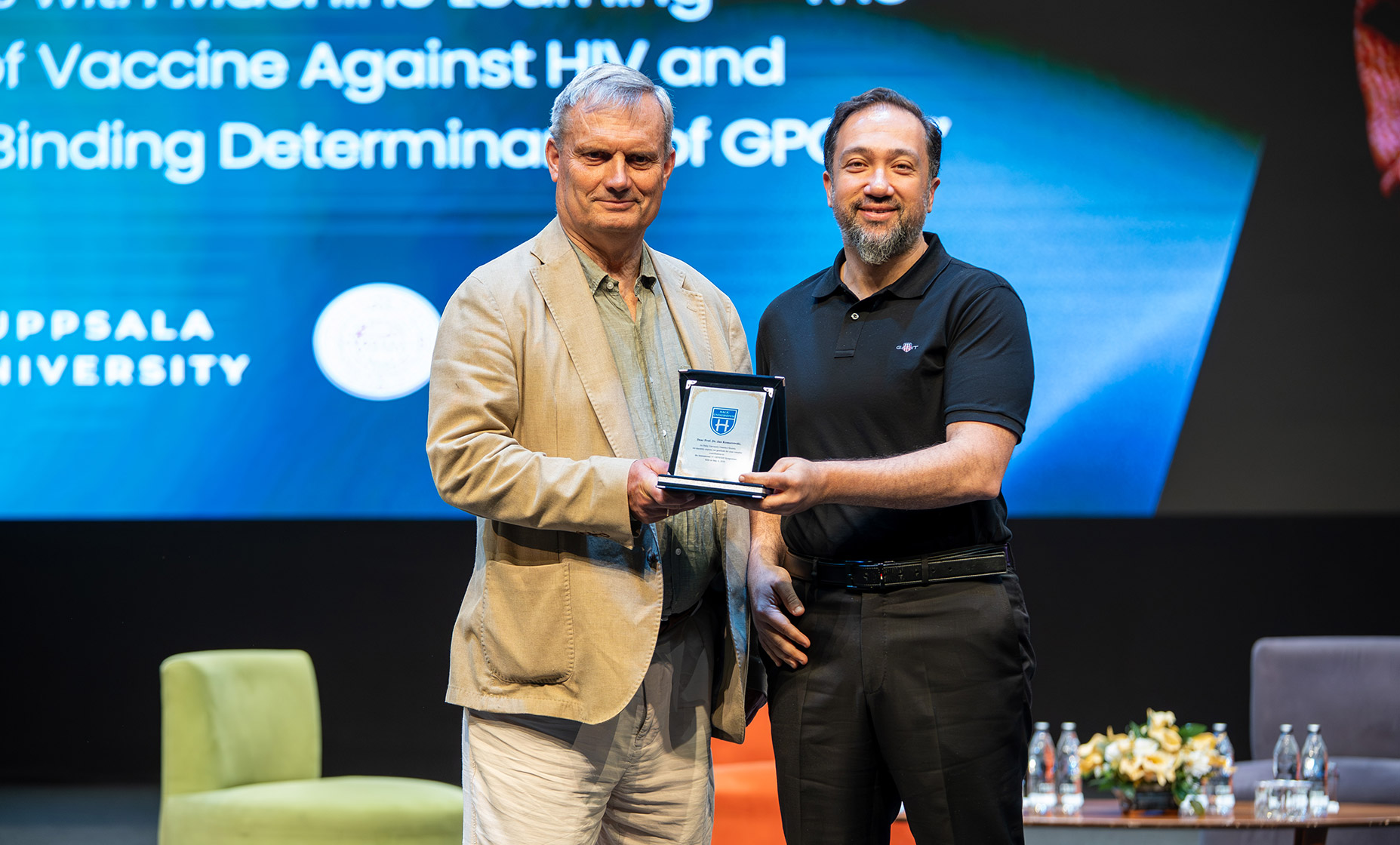
In the first session, Prof. Dr. Jan Komorowski gave a talk titled “Studying Complex Systems with Machine Learning: Examples of HIV Vaccine Research and GPCR Ligand Binding Determinants,” presenting AI-supported bioinformatics research. He discussed the use of machine learning in studies on GPCR proteins and ligand interactions, and highlighted the importance of physicochemical properties in biological data analysis.
In the second session, Dr. René Hägerling presented “Advances in Spatial Diagnosis: 3D Histopathology and Lymphovascular Diseases.” He pointed out the limitations of traditional two-dimensional tissue analysis and explained how light-sheet microscopy and digital pathology enable new possibilities for three-dimensional imaging in clinical research.
In the third session, Dr. Daniel Schindler delivered a talk titled “Laboratory 2.0 – Scalable Research through Synthetic Biology,” sharing his work on synthetic biology and genome engineering. He noted that approaches to redesigning genetic systems may contribute significantly to biotechnology.
In the fourth session, Prof. Dr. Duygu Kuzuoğlu Öztürk presented “Targeting the Translational Machinery in Cancer,” discussing recent research in cancer biology.
In the fifth session, Prof. Dr. N. C. Tolga Emre delivered a talk titled “IRF4-Centered Gene Regulation in Cancer Biology and Therapy,” sharing studies on gene regulation and cancer treatment approaches.
In the sixth session, titled “Decoding the Brain: New Perspectives in Neuroscience Research,” Dr. Mohd Haseeb, Dr. Özlem Yedier, and postdoctoral researcher Büşra Teke presented recent developments in neuroscience research.
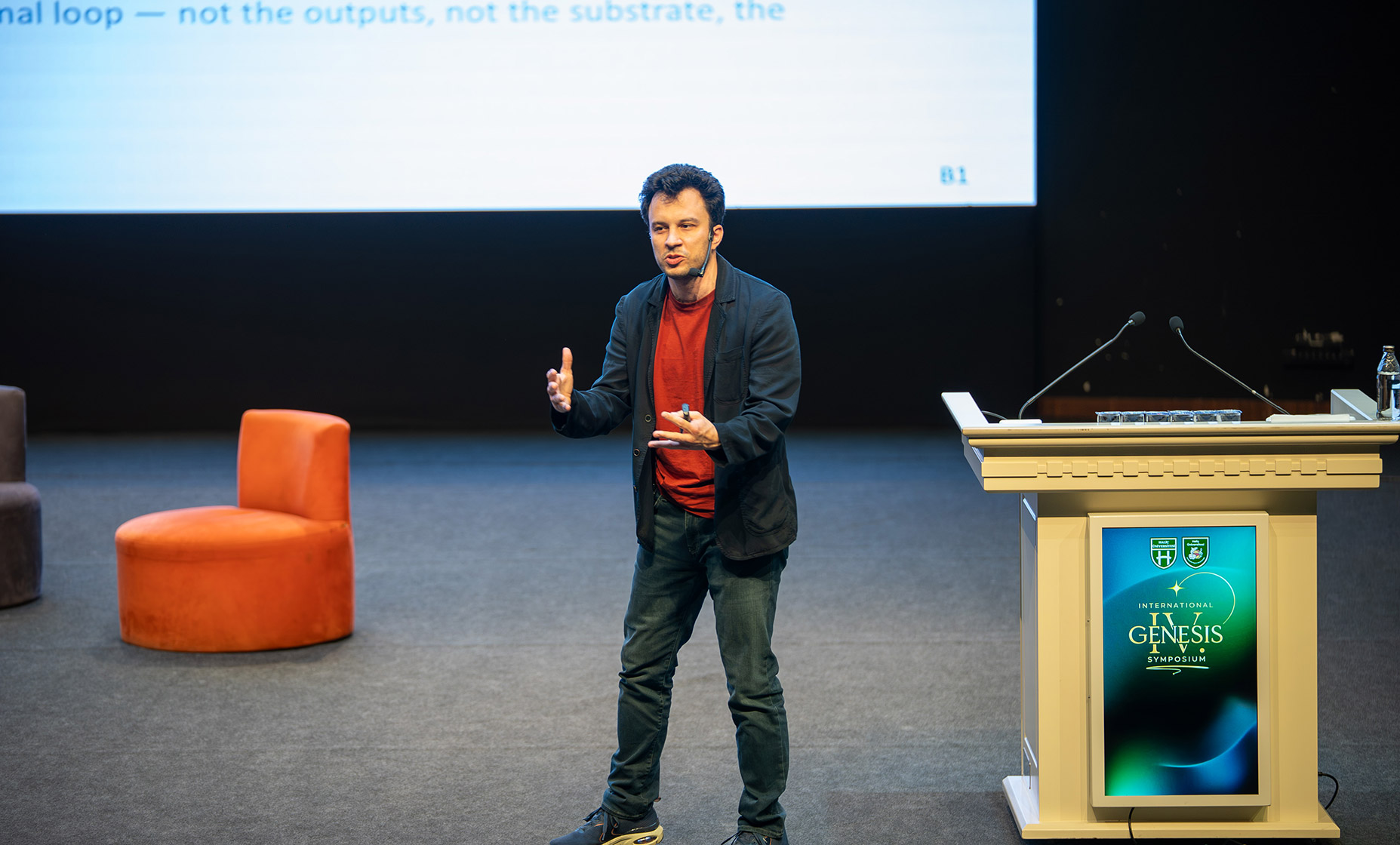
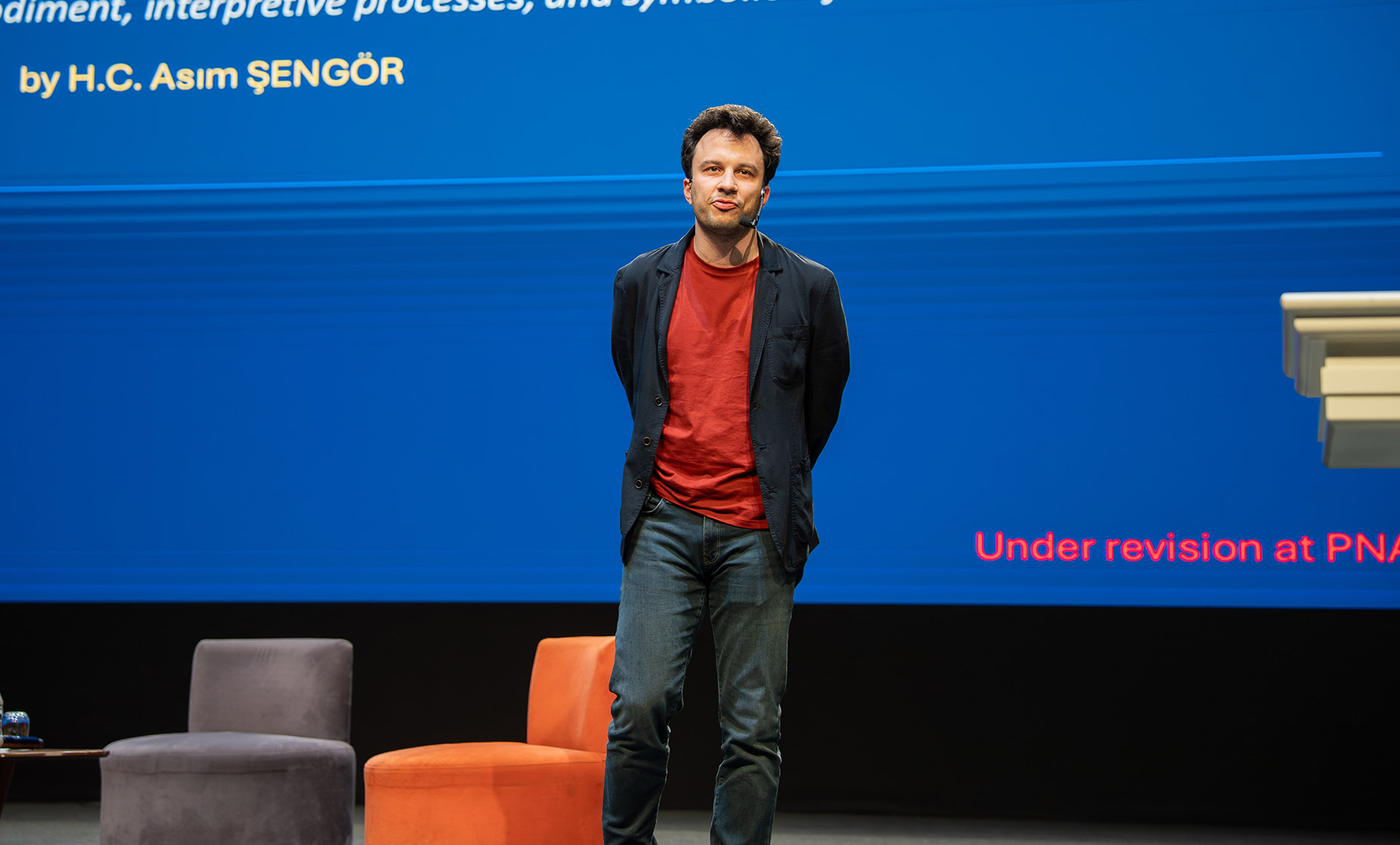
In the final session, Dr. H. C. Asım Şengör delivered a talk titled “Life as a Triple Causal Closure Between Physical Existence, Interpretive Processes, and Symbolic Information,” offering an interdisciplinary perspective on the life sciences.
The 4th International GENESIS Symposium concluded with an award ceremony and closing program.


The cookies used on our website are categorized into specific groups. Below you can find information about these categories and choose to allow some or all of them, or reject them.
 Summarize with ChatGPT