





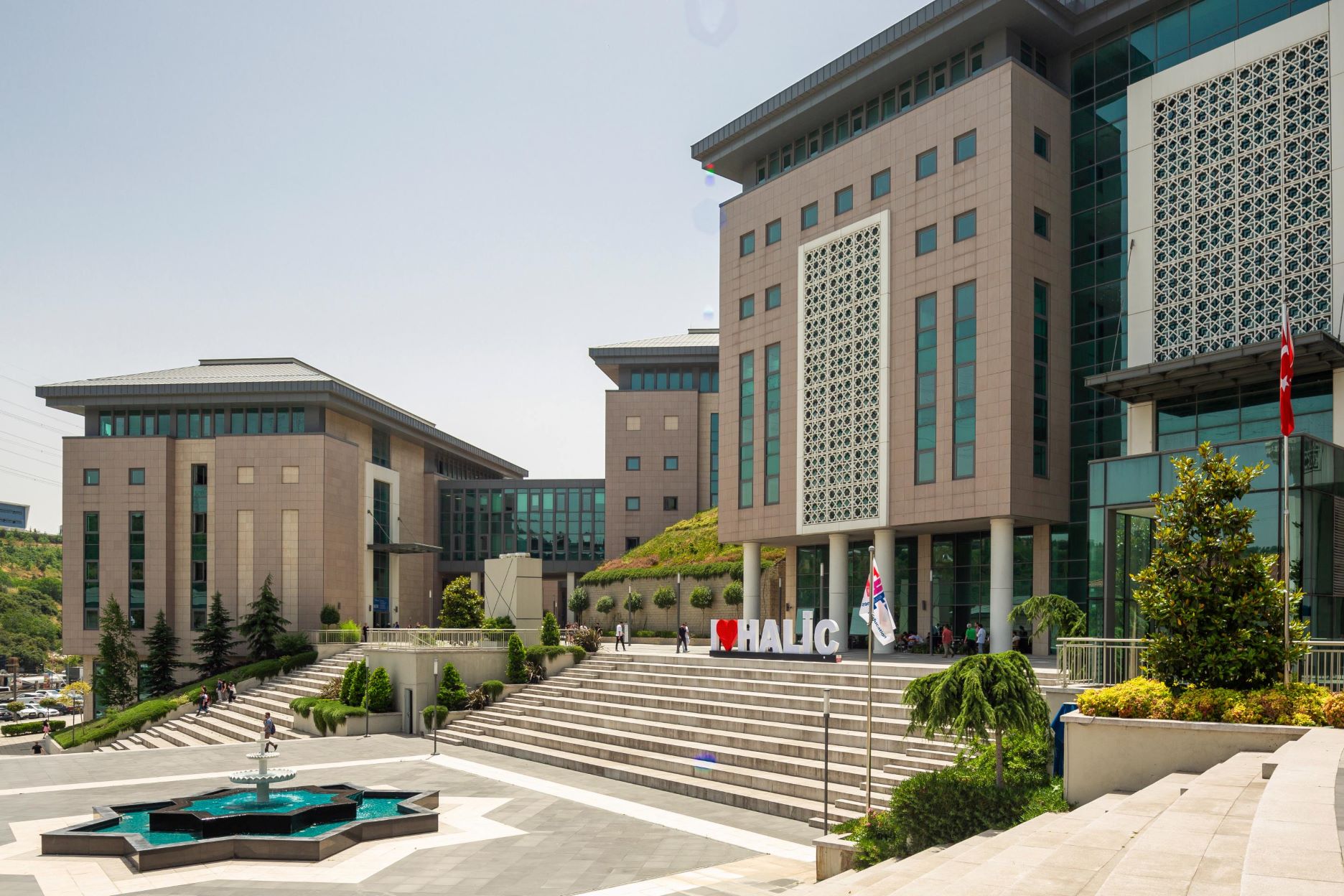


Hepato-Oncology Istanbul 2026 Held at Our University
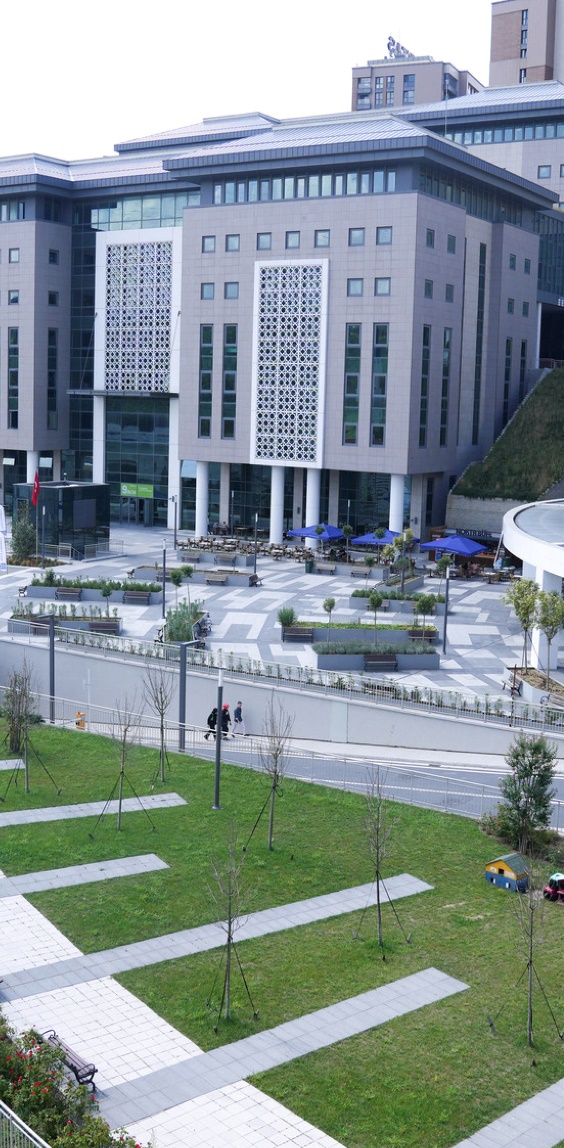
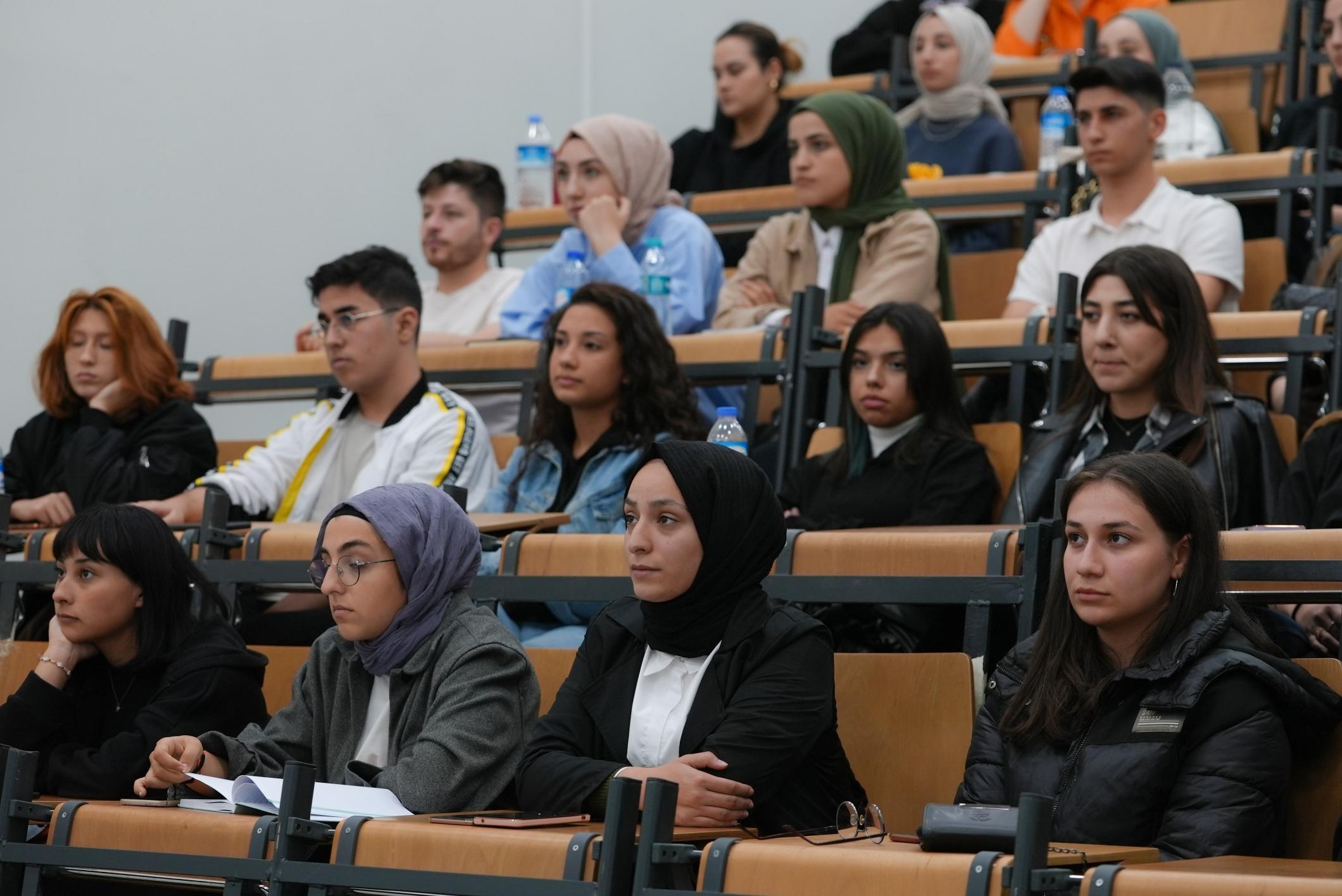
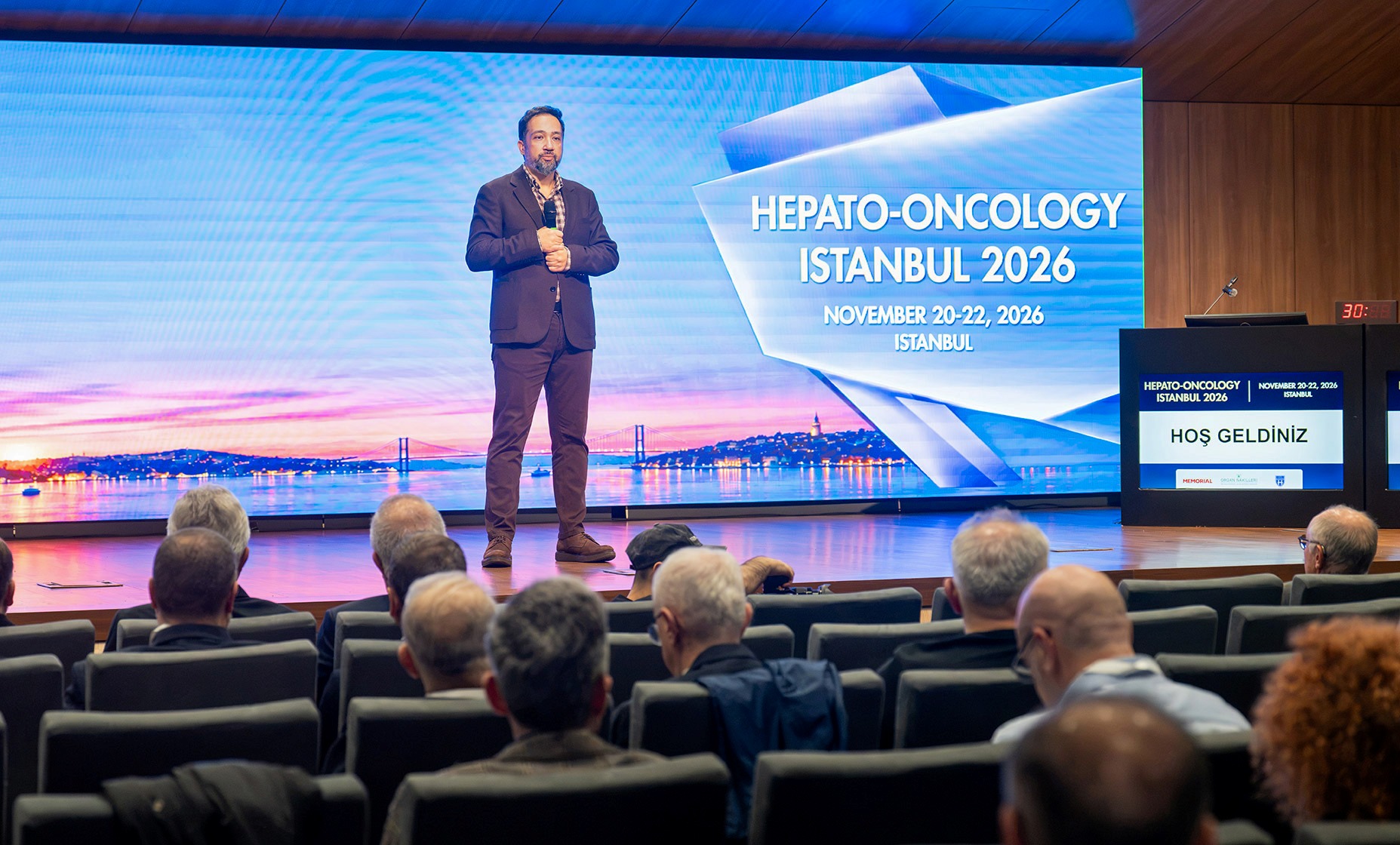
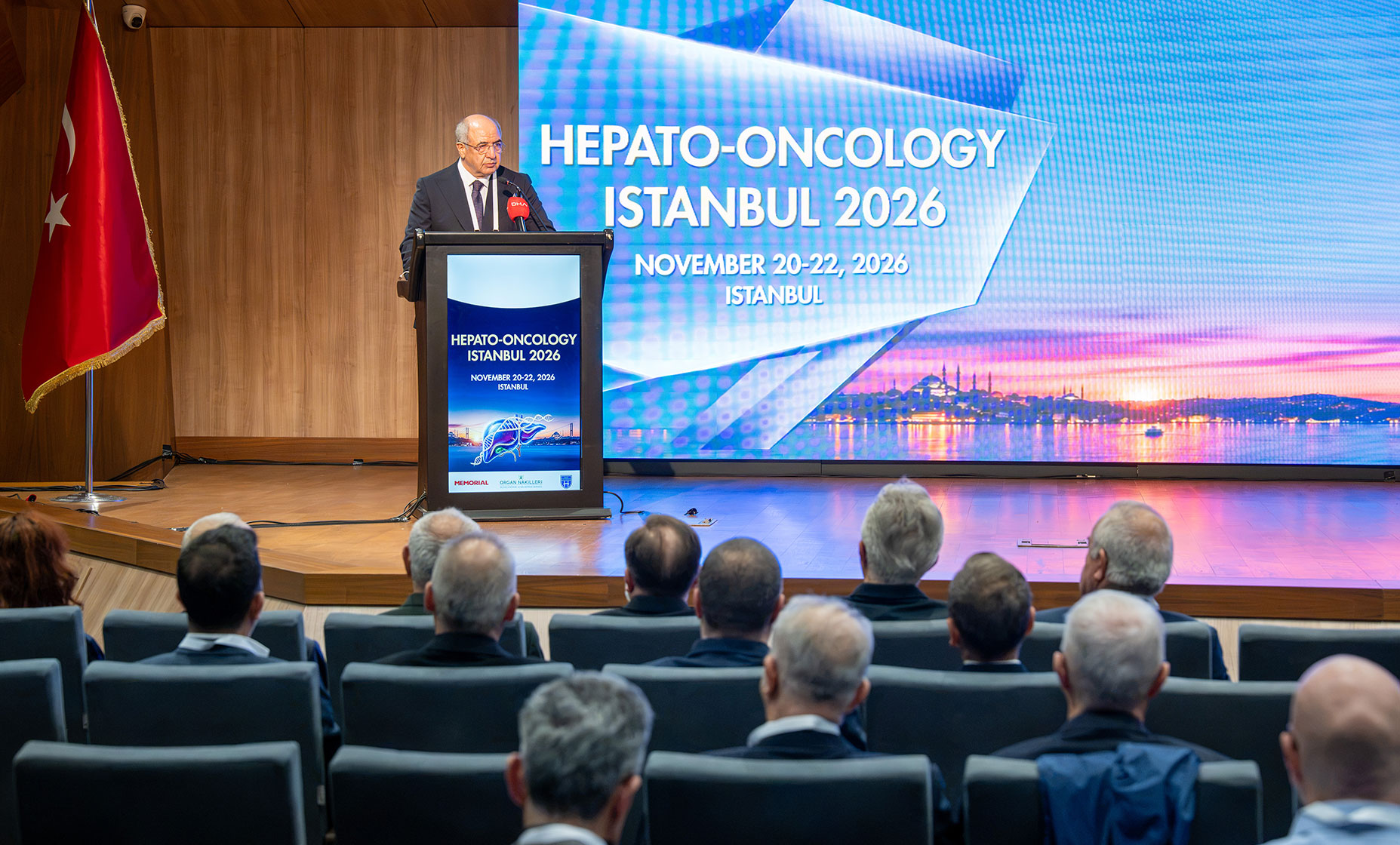
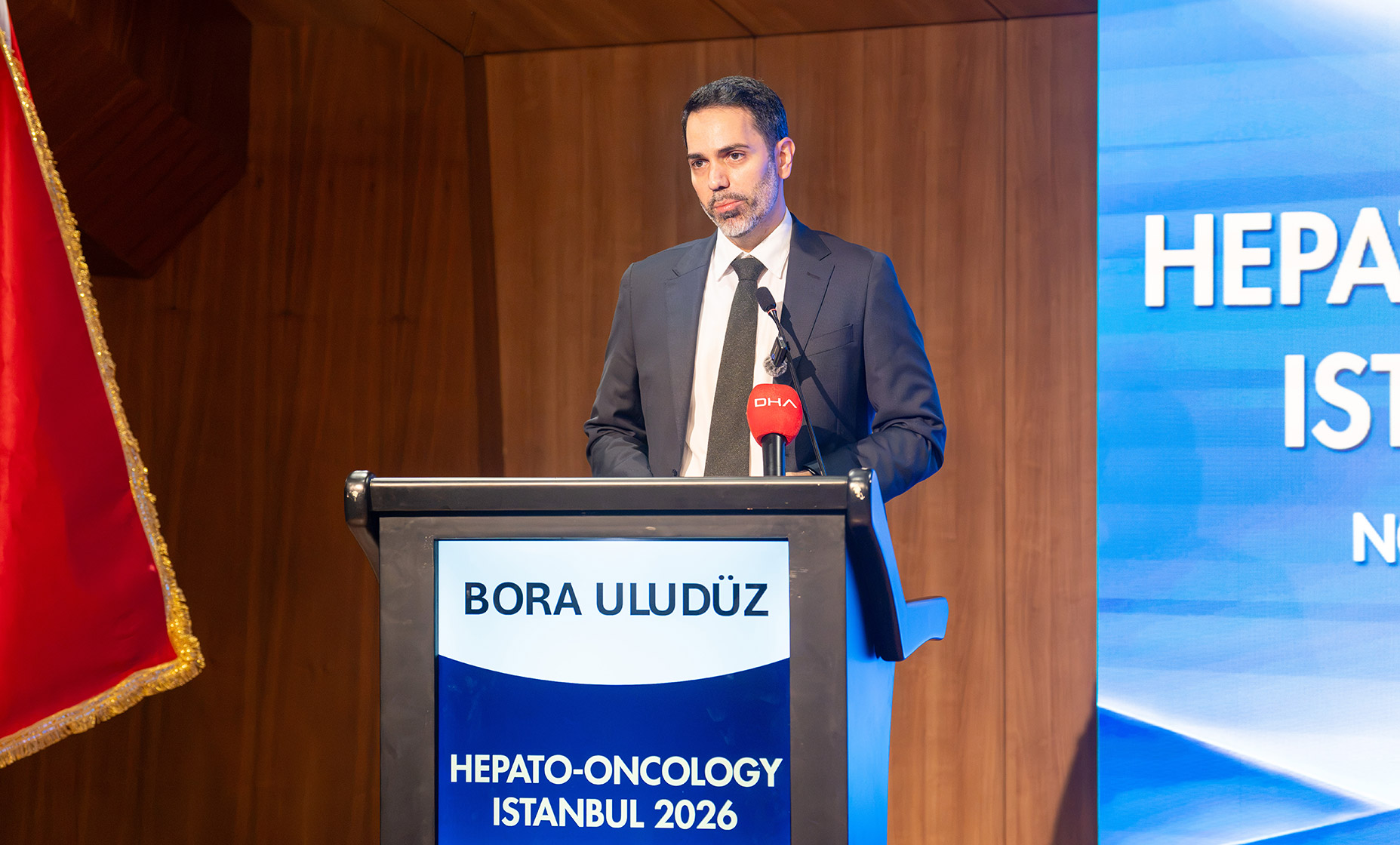
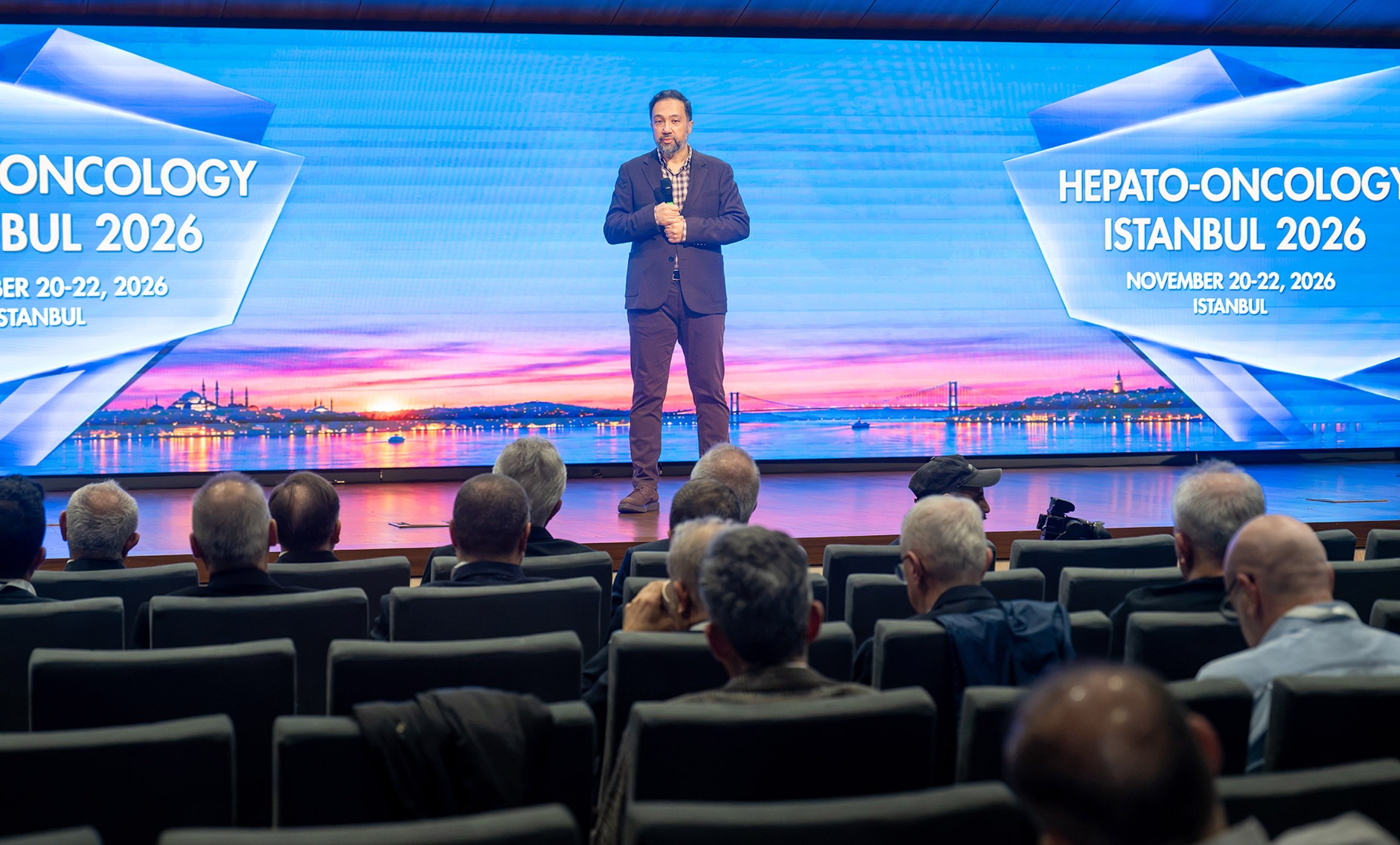
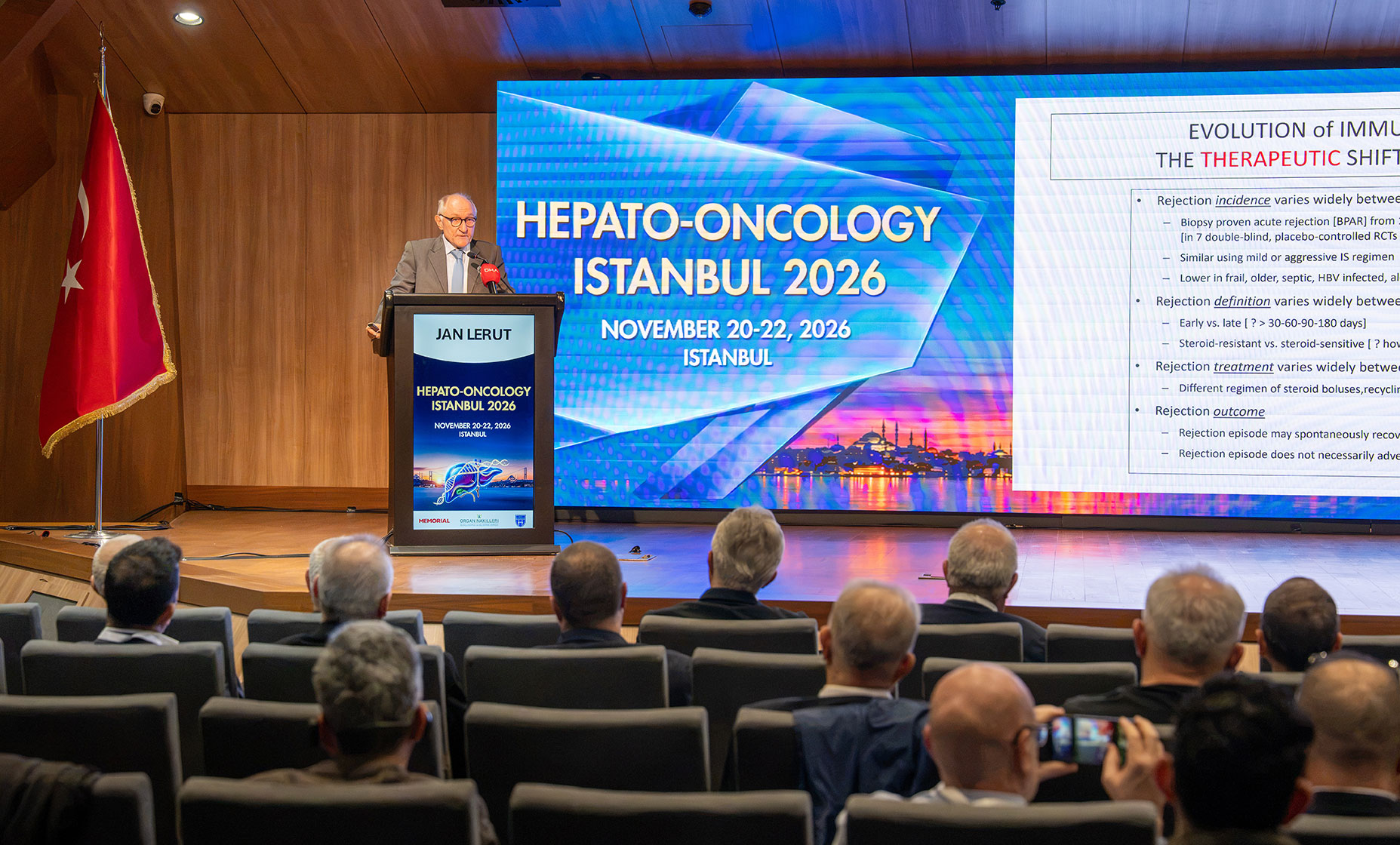
Hepato-Oncology Istanbul 2026, organized by the Organ Transplantation Awareness and Development Association between November 20 and 22, 2026, was held at our university. The international scientific meeting brought together leading experts in oncology, hepatology, and organ transplantation to discuss innovative approaches to cancer treatment, advances in surgical techniques, and multidisciplinary treatment methods.
Delivering the opening remarks at the meeting, our Rector, Prof. Dr. Enes Eryarsoy, drew attention to the impact of scientific research on human life, referring to the work of Ignaz Semmelweis, who holds an important place in the history of medicine. He noted that Semmelweis’s efforts to question high mortality rates in hospitals and develop preventive practices brought about a significant transformation in medical history. Also touching upon the historical development of medicine, Prof. Dr. Eryarsoy discussed how scientific discoveries and modern treatment methods have contributed to extending human life expectancy.
The scientific sessions, held over three days, addressed the latest developments in the diagnosis and treatment of hepatocellular carcinoma (HCC), cholangiocarcinoma, neuroendocrine tumors, colorectal liver metastases, and pancreatic cancer. AI-assisted cancer management, robotic transplant surgery, current practices in liver transplantation, immunotherapy, and targeted therapies were among the key scientific topics featured in the program.
On the first day of the scientific program, current methods used in the early diagnosis and treatment of liver cancer were discussed. The role of artificial intelligence in hepatocellular carcinoma (HCC) management, the classification of tumors based on their molecular and histopathological characteristics, and treatment decisions concerning surgical intervention and liver transplantation were among the topics examined.
Developments in organ transplantation were also discussed during the meeting, including the possibility of minimizing or eliminating the use of immunosuppressive drugs and the future of robotic technologies in transplant surgery. Experts also evaluated current treatment options for biliary tract cancers and neuroendocrine tumors.
The second day of the program focused on the use of immunotherapy and combination therapies in advanced-stage liver cancer, approaches aimed at making tumors eligible for surgical intervention, and the preparation process for liver transplantation. Molecular imaging, radionuclide therapies, and new treatment strategies for colorectal cancer liver metastases were also among the major topics addressed during the sessions.
Sessions dedicated to pancreatic cancer covered the molecular classification of the disease, the assessment of liver metastases, patient selection for surgical treatment, and next-generation targeted drugs. Scientific discussions also addressed systemic therapies and current surgical techniques for advanced-stage pancreatic cancer.
The meeting featured internationally renowned experts, including Jan Lerut, Hugo Pinto Marques, Young Nyun Park, Quirino Lai, and René Adam, as speakers. In addition to scientific presentations, multidisciplinary tumor boards and interactive case discussions were held. Physicians from different medical specialties jointly evaluated complex cancer cases and shared their approaches to diagnostic and treatment processes.
On the final day of the program, the rational use of medicines was also addressed. Through the scientific sessions hosted by our university, Hepato-Oncology Istanbul 2026 contributed to sharing current developments in cancer treatment, supporting international academic collaborations, and strengthening the exchange of knowledge among different medical disciplines.


 Summarize with ChatGPT