


 Geri
Geri


A-Z İndex


Student Affairs

Life At Haliç



 | Academic | Institues | Institute of Graduate Studies | Departments | Industrial Design
|
Günümüzde endüstriyel tasarım, yalnızca ürün geliştirme süreciyle sınırlı kalmayıp; sistem, hizmet, deneyim ve strateji boyutlarını da içeren çok katmanlı bir araştırma ve uygulama alanı haline gelmiştir. Küresel ölçekte tasarımın dönüşen rolü, tasarımcıyı yalnızca biçim veren bir uygulayıcı değil; karmaşık problemlere çözüm üreten, inovasyon süreçlerini yönlendiren ve stratejik karar mekanizmalarına katkı sunan bir uzman olarak konumlandırmaktadır. Endüstriyel Tasarım Anabilim Dalı yüksek lisans programlarının temel amacı; tasarım alanında kuramsal bilgi ile uygulama pratiğini bütünleştiren, analitik düşünebilen, araştırma yöntemlerine hâkim ve disiplinlerarası çalışma yetkinliğine sahip uzmanlar yetiştirmektir. Program, tasarımın ekonomik, sosyal, kültürel ve çevresel etkilerini birlikte değerlendirebilen; sürdürülebilirlik, yenilikçilik ve toplumsal sorumluluk ilkelerini benimseyen tasarımcıların yetişmesini hedeflemektedir. Tezli yüksek lisans programı; özgün bir araştırma problemi çerçevesinde bilimsel yöntemlerle bilgi üretmeyi, tasarım araştırmalarına katkı sağlamayı ve akademik gelişimi desteklemeyi amaçlar. Öğrenciler, tasarım kuramı, tasarım tarihi, tasarım yöntemleri, tasarım yönetimi, sürdürülebilirlik, kültürel miras ve güncel tasarım yaklaşımları gibi alanlarda derinleşerek bilimsel araştırma yapma ve akademik yayın üretme yetkinliği kazanırlar. Program müfredatında tasarım araştırma yöntemleri, tasarım ve kültür ilişkisi, stratejik tasarım, ürün geliştirme süreçleri, malzeme ve üretim teknolojileri, fikri haklar, tasarım yönetimi ve inovasyon gibi alanlar yer almaktadır. Öğrenciler ayrıca disiplinlerarası iş birlikleri ve sektörel projeler aracılığıyla araştırma ve uygulama deneyimi kazanırlar. Program mezunları; tasarım ofislerinde ve endüstriyel kuruluşlarda uzman tasarımcı veya tasarım yöneticisi olarak görev alabilecekleri gibi, akademik kariyer hedefleyenler için doktora programlarına devam edebilirler. Bunun yanı sıra, tasarım danışmanlığı, stratejik tasarım, inovasyon yönetimi ve proje geliştirme alanlarında uzmanlaşma imkânı bulurlar. VizyonEndüstriyel Tasarım Anabilim Dalı’nın vizyonu; tasarım araştırmalarında ulusal ve uluslararası düzeyde görünürlük kazanan, yenilikçi ve sürdürülebilir çözümler üreten, akademik ve sektörel iş birlikleriyle bilgi üretimine katkı sağlayan bir yüksek lisans programı olmaktır. MisyonBu doğrultuda programın misyonu;
|
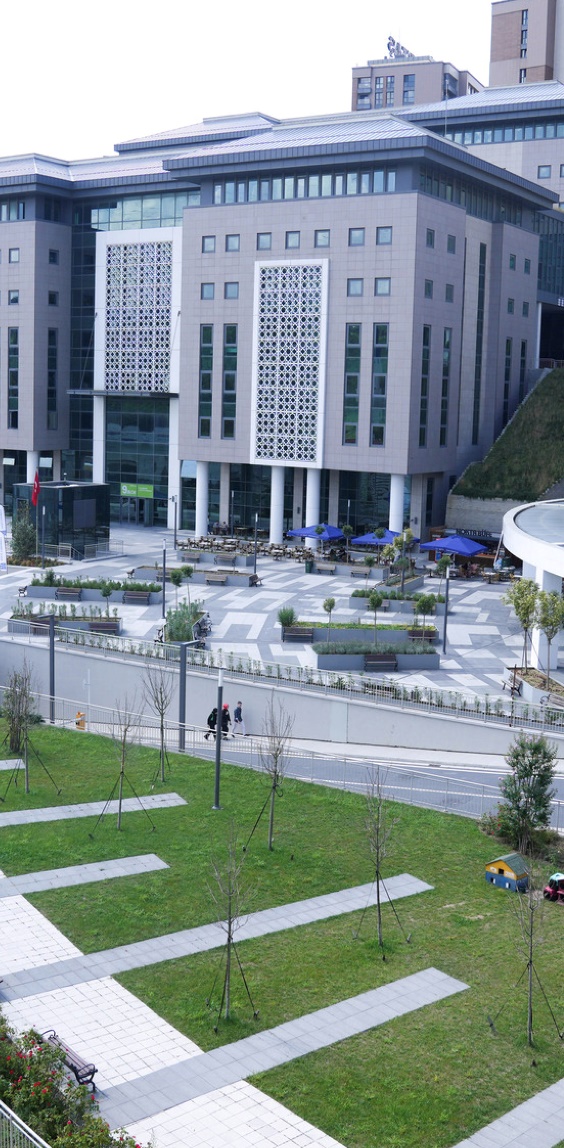
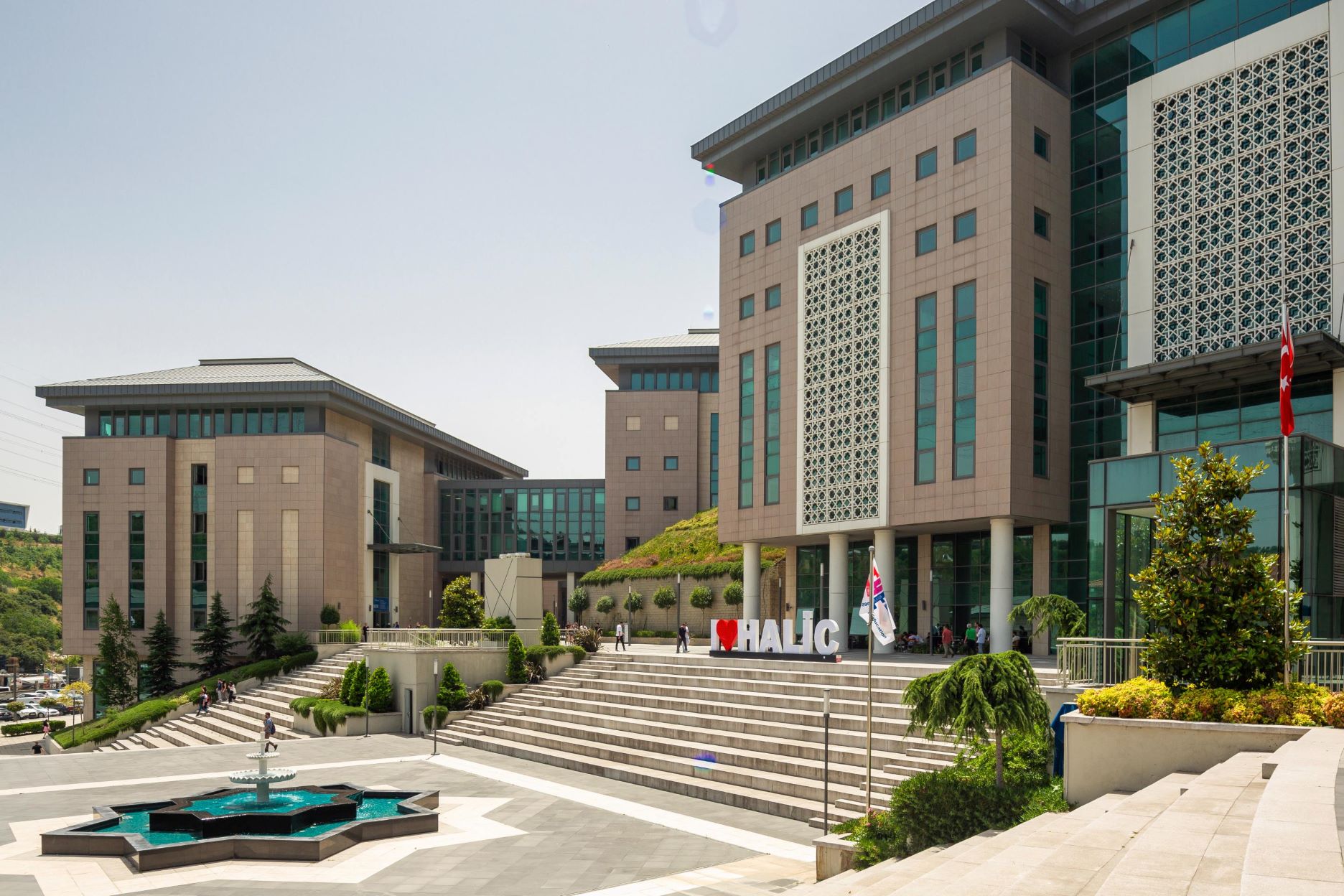
| Halic University is a foundation university established by the Foundation for Children with Leukemia in accordance with the Higher Education Law numbered 2547. Halic University was established in accordance with the law no. 4324 published in the Official Gazette dated January 14, 1998 and started education on November 23, 1998. |
| Students who successfully complete this program are entitled to receive a Master’s Degree (Thesis) in Industrial Design. |
|
Undergraduate degree from Industrial Design, Interior Design, Architecture, Mechanical Engineering or Electronic Engineering, Industrial Engineering, Forest Industrial Engineering, Ceramics, Ceramic and Glass, Graphic, Graphic Design, Communication Design, Fashion and Textile Design, To have obtained a minimum score of 55 in the Equal Weight score type of the ALES (Academic Personnel and Graduate Education Entrance Exam). Being successful in interview and exam |
| Graduates who complete the thesis-based Master’s Program in Industrial Design are eligible to apply for Ph.D. programs. |
| Ders Kodu | Ders Adı | T+U+L | AKTS | Ders Türü |
|---|---|---|---|---|
| EUT8040 | Industrial Design Project I | 3+0+0 | 6 | Compulsory |
| LÜE8000 | Scientific Research Methods and Publication Ethics | 3+0+0 | 6 | Compulsory |
| AİS1XX1 | Area Elective (3 Courses) | - | 18 | Elective |
| EUT8110 | Technological Advancements in the Context of Design | 3+0+0 | 6 | Elective |
| EUT8120 | Design, User, and Product Development Relations | 3+0+0 | 6 | Elective |
| EUT8130 | Structural Design in Industrial Products | 3+0+0 | 6 | Elective |
| EUT8140 | Industrial Heritage and Its Relation to Design | 3+0+0 | 6 | Elective |
| EUT8150 | Principles and Applications of Modular Design in Industrial Design | 3+0+0 | 6 | Elective |
| EUT8160 | Inclusive Design Research | 3+0+0 | 6 | Elective |
| EUT8170 | Material Culture in Industrial Design | 3+0+0 | 6 | Elective |
| EUT8180 | Corporate Approaches and Service Design in Industrial Design | 3+0+0 | 6 | Elective |
| EUT8190 | Design Thinking and Computational Design Approaches | 3+0+0 | 6 | Elective |
| EUT8210 | Identity and Cultural Elements in Design | 3+0+0 | 6 | Elective |
| EUT8220 | Product Planning Techniques | 3+0+0 | 6 | Elective |
| EUT8230 | Concepts of Product Planning | 3+0+0 | 6 | Elective |
| EUT8240 | Creativity Methods in Industrial Product Design | 3+0+0 | 6 | Elective |
| EUT8250 | Socio-Economic Structure and Its Relation to Design | 3+0+0 | 6 | Elective |
| EUT8260 | Intellectual Property and Design Law | 3+0+0 | 6 | Elective |
| EUT8270 | Industrial Systems Approaches and Design Management | 3+0+0 | 6 | Elective |
| EUT8280 | User Experience, Ergonomics, and Interaction Design | 3+0+0 | 6 | Elective |
| EUT8290 | Material Selection and Sustainability in Design | 3+0+0 | 6 | Elective |
| EUT8310 | Design Process in the Context of Industrial Relations | 3+0+0 | 6 | Elective |
| Ders Kodu | Ders Adı | T+U+L | AKTS | Ders Türü |
|---|---|---|---|---|
| EUT8010 | Seminar | 2+0+0 | 12 | Compulsory |
| EUT8050 | Industrial Design Project II | 3+0+0 | 6 | Compulsory |
| AİS1XX2 | Area Elective(2 Courses) | - | 12 | Elective |
| EUT8110 | Technological Advancements in the Context of Design | 3+0+0 | 6 | Elective |
| EUT8120 | Design, User, and Product Development Relations | 3+0+0 | 6 | Elective |
| EUT8130 | Structural Design in Industrial Products | 3+0+0 | 6 | Elective |
| EUT8140 | Industrial Heritage and Its Relation to Design | 3+0+0 | 6 | Elective |
| EUT8150 | Principles and Applications of Modular Design in Industrial Design | 3+0+0 | 6 | Elective |
| EUT8160 | Inclusive Design Research | 3+0+0 | 6 | Elective |
| EUT8170 | Material Culture in Industrial Design | 3+0+0 | 6 | Elective |
| EUT8180 | Corporate Approaches and Service Design in Industrial Design | 3+0+0 | 6 | Elective |
| EUT8190 | Design Thinking and Computational Design Approaches | 3+0+0 | 6 | Elective |
| EUT8210 | Identity and Cultural Elements in Design | 3+0+0 | 6 | Elective |
| EUT8220 | Product Planning Techniques | 3+0+0 | 6 | Elective |
| EUT8230 | Concepts of Product Planning | 3+0+0 | 6 | Elective |
| EUT8240 | Creativity Methods in Industrial Product Design | 3+0+0 | 6 | Elective |
| EUT8250 | Socio-Economic Structure and Its Relation to Design | 3+0+0 | 6 | Elective |
| EUT8260 | Intellectual Property and Design Law | 3+0+0 | 6 | Elective |
| EUT8270 | Industrial Systems Approaches and Design Management | 3+0+0 | 6 | Elective |
| EUT8280 | User Experience, Ergonomics, and Interaction Design | 3+0+0 | 6 | Elective |
| EUT8290 | Material Selection and Sustainability in Design | 3+0+0 | 6 | Elective |
| EUT8310 | Design Process in the Context of Industrial Relations | 3+0+0 | 6 | Elective |
| Ders Kodu | Ders Adı | T+U+L | AKTS | Ders Türü |
|---|---|---|---|---|
| EUT8020 | Master's Thesis 1 | 0+0+0 | 30 | Compulsory |
| Ders Kodu | Ders Adı | T+U+L | AKTS | Ders Türü |
|---|---|---|---|---|
| EUT8030 | Master's Thesis 2 | 0+0+0 | 30 | Compulsory |
|
A student is required to have a minimum CGPA of 2.00/4.00 and no failing grades. After completion of two-semester, students are required to prepare a thesis in their field of expertise. |
|
Electronic Product Design Otomotiv Design Transportation Vehicles Design Furniture Design Medical Design Packaging Design Ligthing Design Bath- Kitchen Products Design Exhibition/Display Stands Design Toys Design Jewellery Design |
|
At the time of enrollment, applicants must have obtained a minimum score of 55 in the Equal Weight score type of the ALES (Academic Personnel and Graduate Education Entrance Examination). The thesis-based master’s program consists of at least seven courses totaling no fewer than 21 credits, one course covering scientific research methods and research and publication ethics, a seminar course, and a thesis study. The seminar course and the thesis study are non-credit courses and are evaluated as either successful or unsuccessful. The thesis-based master’s program comprises a minimum of 120 ECTS credits, including at least 60 ECTS credits per academic semester, and includes the course on scientific research methods and research and publication ethics, the seminar course, and the thesis study. From the semester in which the student completes the coursework phase, the student is required to register for the thesis period in each subsequent semester. |
| Dr. Faculty Member Zeynep FIRAT |
| Enstitü Sekreteri Buse AKYILDIZ |
The cookies used on our website are categorized into specific groups. Below you can find information about these categories and choose to allow some or all of them, or reject them.



 onderkucukerman@halic.edu.tr
 More Info