


 Geri
Geri


Publication Date:
Update Date:


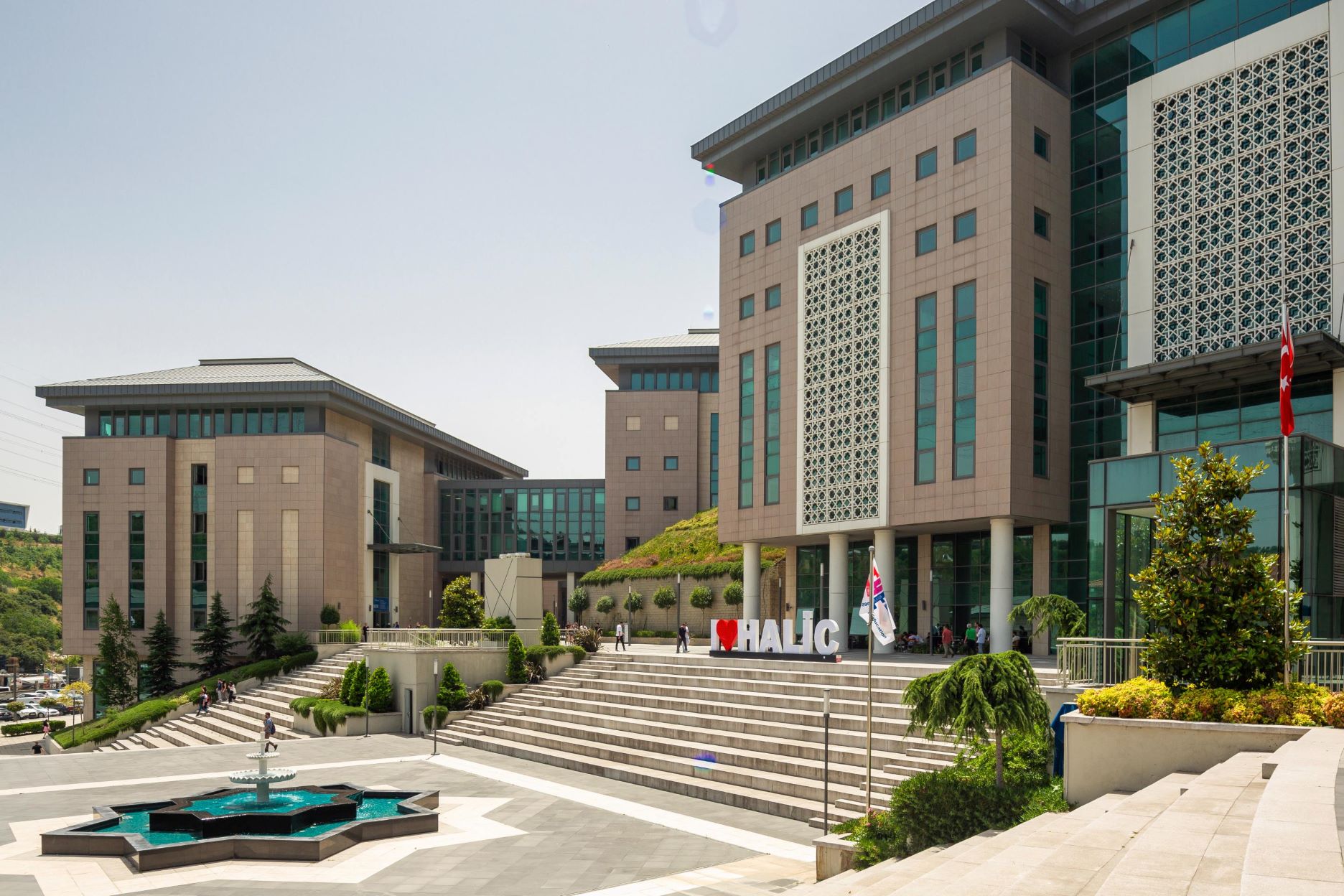


The project titled “Cortical Hemodynamic Profile of Dyspnea-Related Kinesiophobia in COPD: Functional Near-Infrared Spectroscopy (fNIRS)-Based Assessment and Clinical and Neurophysiological Effects of Inspiratory Muscle Training,” led by Assoc. Prof. Seda Saka, Vice Dean of the Faculty of Health Sciences and Head of the Department of Physiotherapy, has been granted support within the scope of the TÜBİTAK 1001-Scientific and Technological Research Projects Support Program.
The project, which was granted support within the scope of TÜBİTAK 1001, one of Türkiye’s most prestigious and highest-budget research support programs, achieved a significant success in a highly competitive environment due to its scientific quality. Receiving support from the program, where the acceptance rate was approximately 7%, became one of the most important indicators demonstrating the project’s scientific originality and research potential.
In the project, which will be carried out under the leadership of Assoc. Prof. Seda Saka, Research Assistant Vildan Fidanoğlu from the Department of Physiotherapy at the Faculty of Health Sciences of our University will also take part as a researcher. Prof. Dr. Ayşe Nur Tunalı, Prof. Dr. Mehmet Bayram, and Lecturer Dr. Görkem Ata from Medipol University are also involved in the project as researchers.
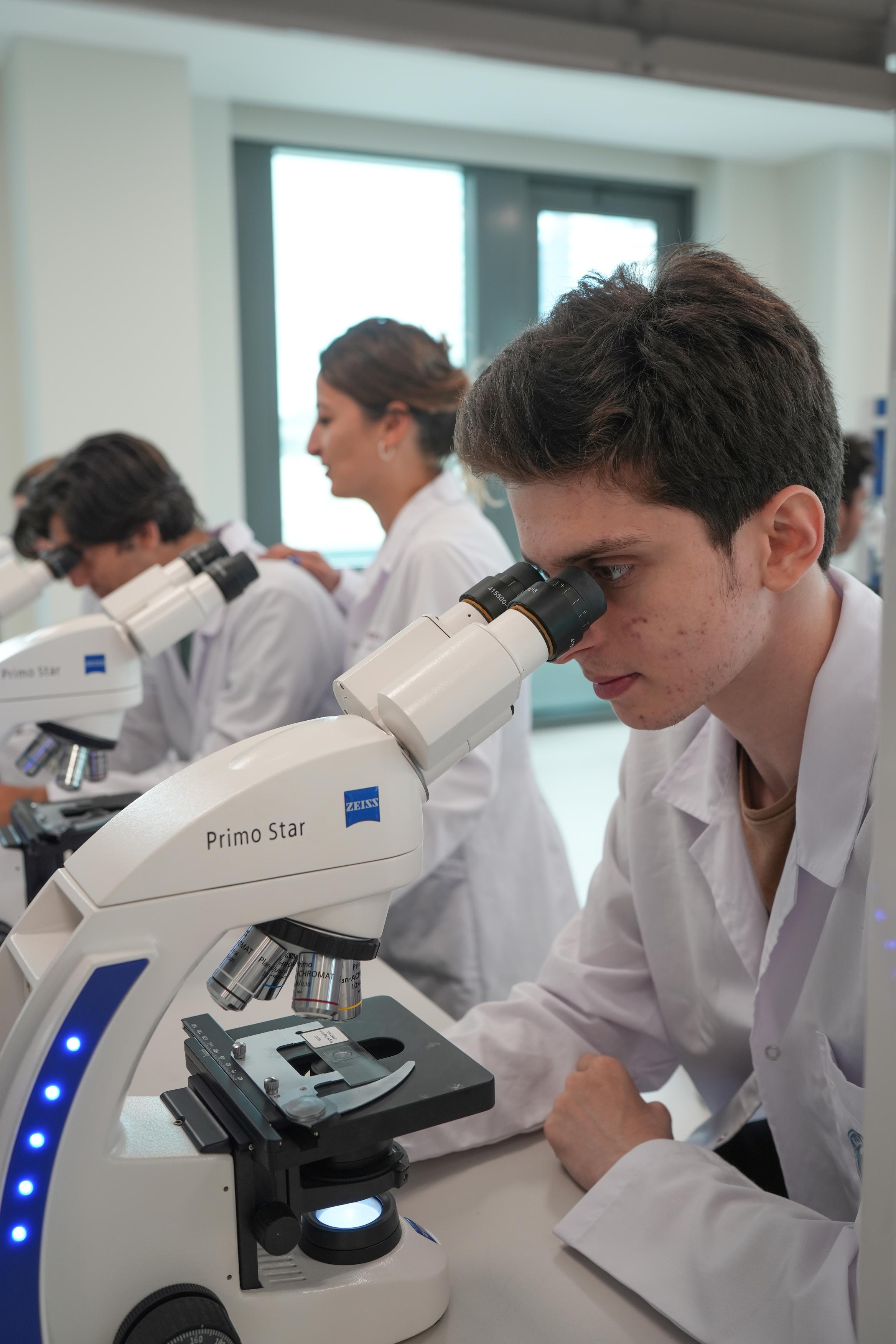
The project will examine the neurophysiological foundations of fear of movement (kinesiophobia) caused by shortness of breath in individuals with Chronic Obstructive Pulmonary Disease (COPD) using the functional near-infrared spectroscopy (fNIRS) method. By evaluating the effects of inspiratory muscle training on cortical hemodynamic responses, the study will reveal not only the clinical but also the neurophysiological outcomes of the treatment.
The findings to be obtained from the research are expected to contribute to the identification of objective neurophysiological markers of dyspnea-related kinesiophobia, a better understanding of the effects of inspiratory muscle training on the central nervous system, and the development of scientifically based innovative assessment and treatment approaches in COPD rehabilitation.
We congratulate our faculty members and wish them continued success.


The cookies used on our website are categorized into specific groups. Below you can find information about these categories and choose to allow some or all of them, or reject them.
 Summarize with ChatGPT