


 Geri
Geri


Publication Date:
Update Date:




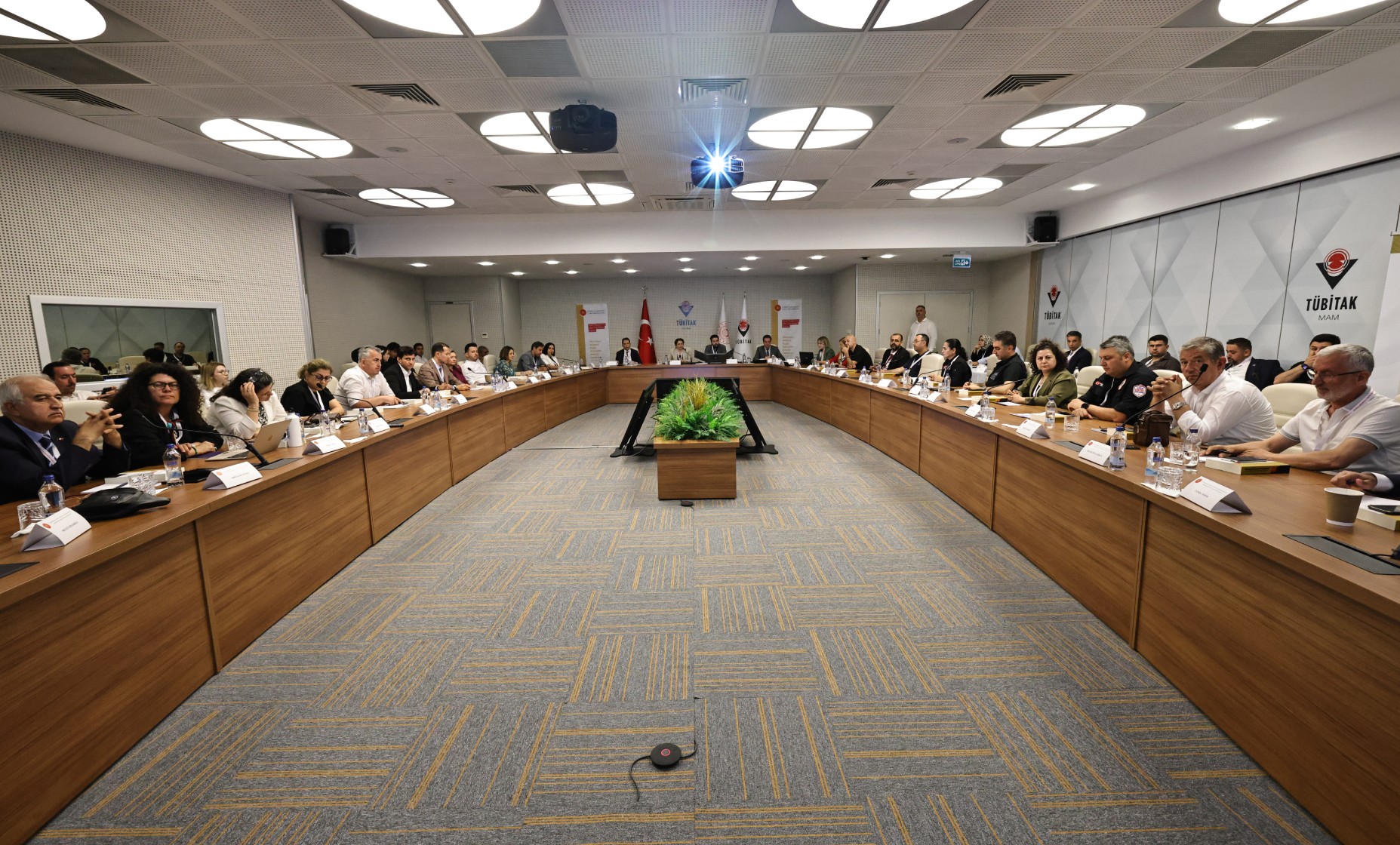
Assoc. Prof. Jülide Edirne and Asst. Prof. Doctor Erdem Çoban, faculty members of Haliç University’s Faculty of Architecture, represented our University by participating in the studies carried out as part of the “Marmara Region Workshop on Natural Hazards” organized by the Presidential Local Government and Disaster Policies Council between June 8 and July 2, 2026.
As part of the workshop, thematic working groups were established with the participation of experts from different disciplines with the aim of increasing the resilience of the Marmara Region against natural hazards, identifying existing risks and developing policy recommendations for the future.
Participating in the Theme 2, Table A session, Assoc. Prof. Jülide Edirne and Asst. Prof. Doctor Erdem Çoban provided assessments on issues such as the resilience of cities against disasters, the effects of climate change on urban areas, water management, the preservation of cultural and urban heritage, spatial planning and data-driven decision support systems. The importance of addressing disaster risks through preventive planning, spatial risk analysis, the assessment of climate data, digital technologies and interdisciplinary studies was particularly emphasized in the discussions.
In the views presented by our academics, attention was drawn to the need to develop integrated risk analyses that assess different types of disasters together for the Marmara Region, to address the natural and cultural values of cities together with disaster policies, to make use of artificial intelligence and digital twin technologies, and to establish stronger links between academic knowledge production and the decision-making processes of local and central governments.
Following the workshop, a second evaluation process was also initiated by the Presidential Local Government and Disaster Policies Council, through question catalogs prepared by the Council, allowing participants to submit their additional views, recommendations, and findings. Within this framework, the academic views that emerged during the workshop are expected to contribute to the final reporting and policy development processes.
Our University will continue to contribute to scientific and policy-oriented processes carried out at the national level through the participation of academics from different disciplines and its work in the fields of disaster-resilient cities, climate change, sustainable water management, the preservation of cultural heritage and innovative urban technologies.


The cookies used on our website are categorized into specific groups. Below you can find information about these categories and choose to allow some or all of them, or reject them.
 Summarize with ChatGPT