


 Geri
Geri



Publication Date:
Update Date:





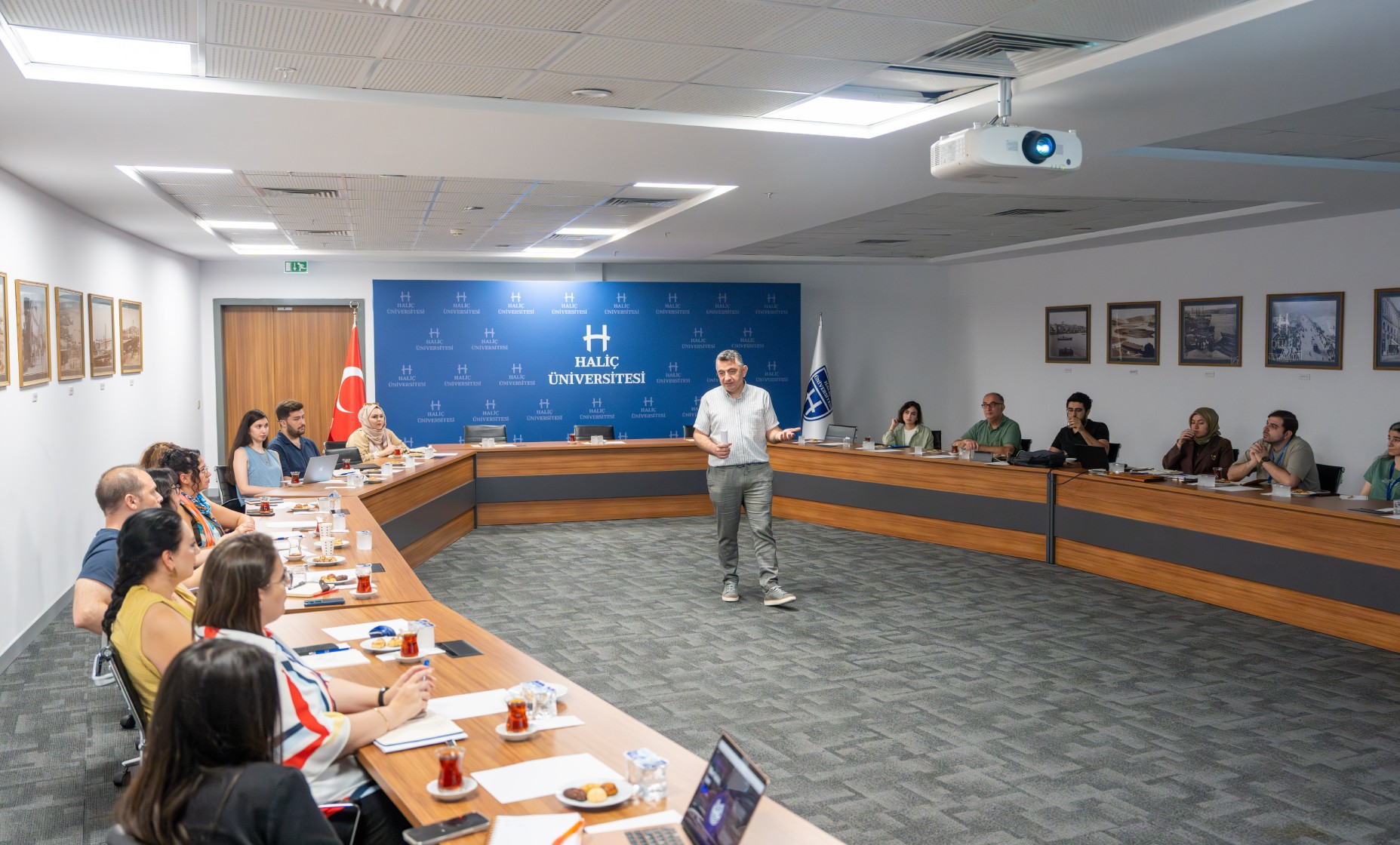
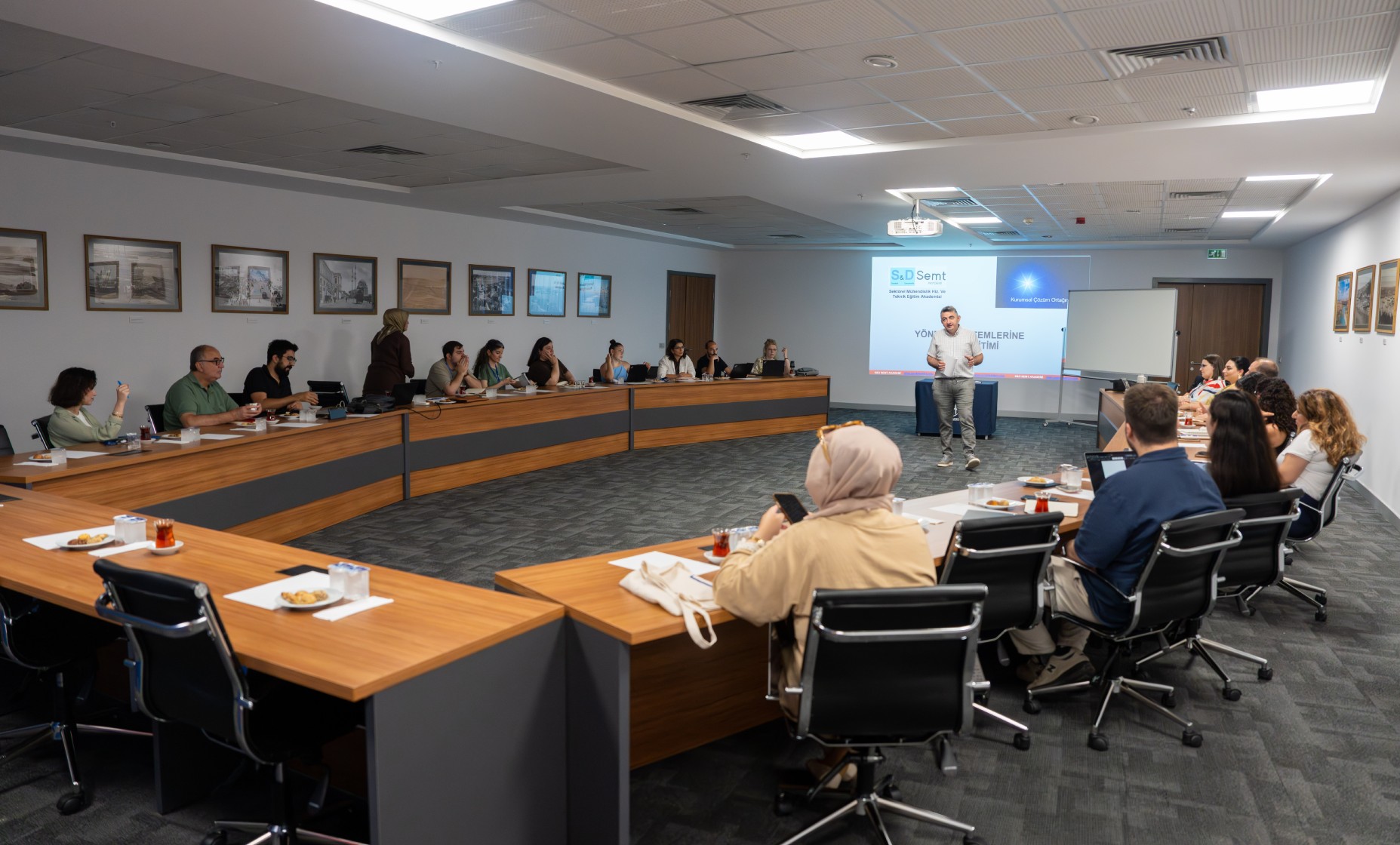
A Unit Quality Representatives Training was held on August 11, 2026, with the aim of integrating the Quality and Energy Management Systems into all processes of our University and strengthening the institutional quality culture.
The training, attended by Unit Quality Representatives from various units of our University, addressed the fundamental approach to be adopted in activities carried out across the institution within the scope of the ISO 9001 Quality Management System and ISO 50001 Energy Management System, as well as process management, risk management and the principle of continuous improvement.
The training aimed to strengthen a holistic institutional management model in which quality management is not merely an activity carried out by a central structure, but in which each unit is responsible for managing and continuously improving its own processes.
One of the main topics of the training was the roles and responsibilities of Unit Quality Representatives, who will ensure the effective implementation of our University’s quality management system at the unit level.
Emphasis was placed on the responsibilities of Unit Quality Representatives to carry out the processes of their respective units in accordance with the quality management system, ensure the monitoring of documented information related to these processes, identify risks and areas for improvement and contribute to the coordination of quality activities within their units.
Through this structure, the aim is to integrate the quality management system more effectively into all academic and administrative processes of the University and to ensure that quality activities are carried out across the institution based on a common management approach.
The fundamental principles of the ISO 9001 Quality Management System and ISO 50001 Energy Management System standards were addressed as part of the training.
It was emphasized that the standards are not merely intended to meet the requirements of a certification process, but also serve as important management tools for systematically managing processes, using resources effectively, monitoring performance, managing risks and transforming continuous improvement into an institutional practice.
In this context, the importance of addressing the Quality and Energy Management Systems in an integrated manner with the University’s strategic objectives and institutional performance approach was evaluated.
The Plan-Do-Check-Act (PDCA) cycle, one of the fundamental approaches of the quality management system, was also discussed comprehensively during the training.
It was stated that the PDCA approach contributes to strengthening a culture of continuous improvement at the University by planning and implementing processes, measuring results and improving them based on the data obtained.
The training also addressed the process management approach, with the relationships among core, support and managerial processes being evaluated.
It was emphasized that accurately defining processes is critical for clarifying duties and responsibilities, strengthening coordination among units, monitoring performance and identifying areas for improvement.
In addition, information was shared on identifying, analyzing and prioritizing risks that may arise in processes in advance and planning appropriate control activities within the scope of risk management. It was stated that risk management is not merely about taking precautions against potential problems, but also constitutes a proactive management approach that strengthens institutional resilience and the sustainability of processes.
The Unit Quality Representatives Training marked an important step toward ensuring that the quality management system is embraced by all units of our University and that quality activities become a natural part of daily work processes.
Our University’s quality approach is structured around an institutional management understanding in which processes are defined, responsibilities are clarified, risks are anticipated, performance is measured and improvement is sustained.
In this direction, the University aims to expand the activities carried out within the scope of ISO 9001 and ISO 50001 to all academic and administrative processes with the active contribution of Unit Quality Representatives and to institutionalize a sustainable quality culture.
Efforts to develop the Quality and Energy Management Systems will continue in line with the University’s strategic objectives and its approach to sustainable development.


The cookies used on our website are categorized into specific groups. Below you can find information about these categories and choose to allow some or all of them, or reject them.
 Summarize with ChatGPT