


 Geri
Geri


Publication Date:
Update Date:


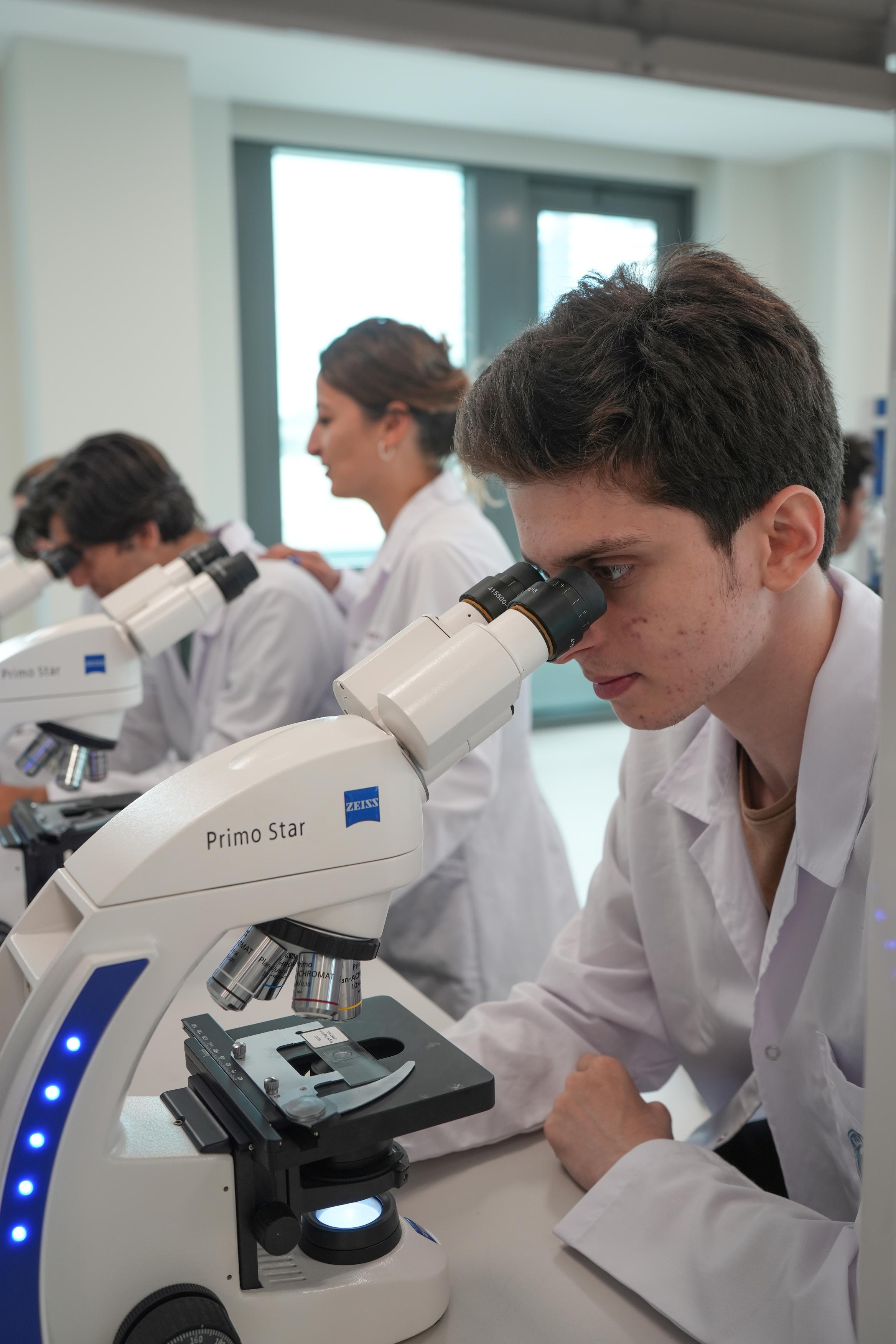
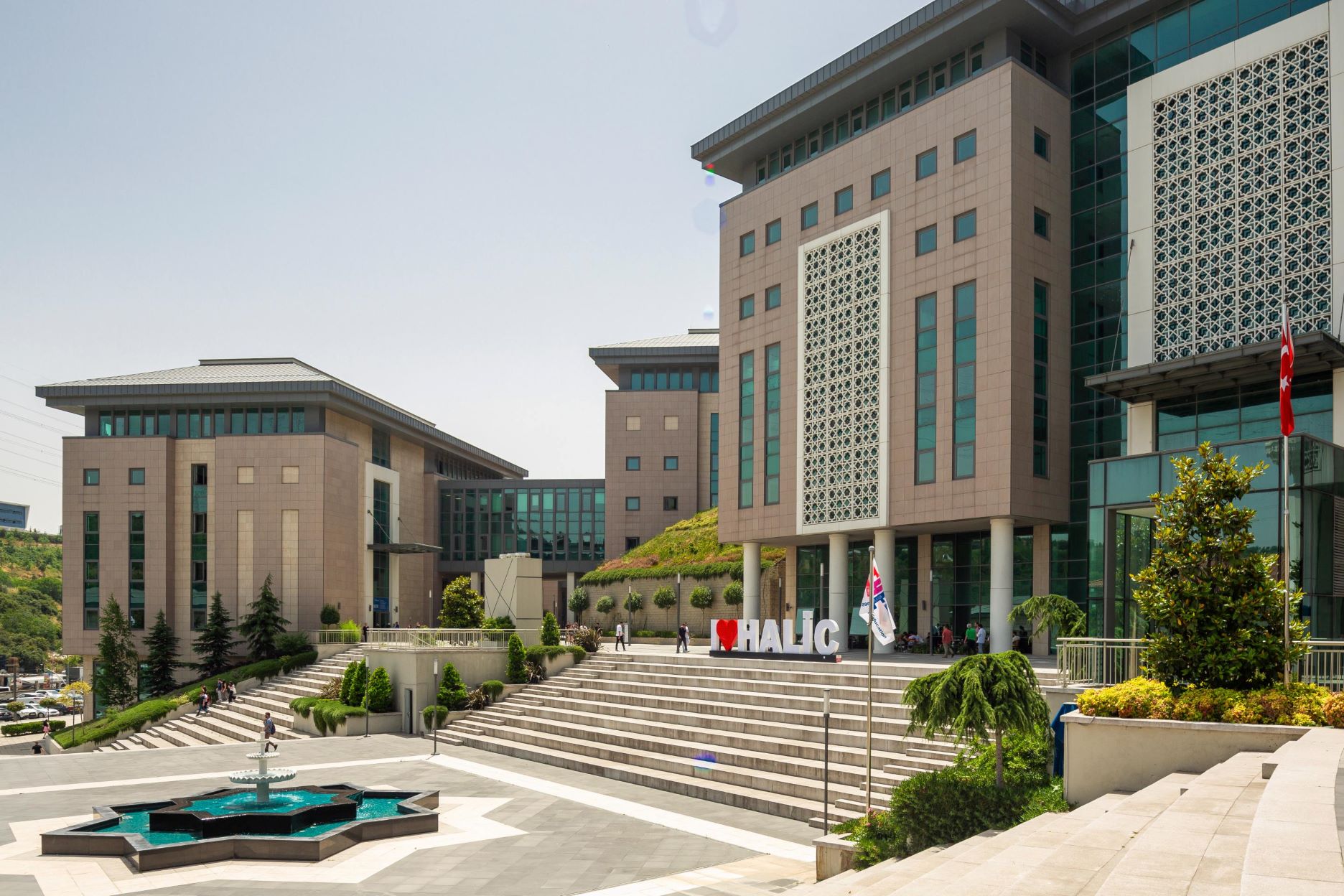


Four research projects from our university have been selected for funding by the Turkish Health Institutes Presidency (TÜSEB). The projects, which focus on innovative research in the field of health sciences, address important areas including neurological rehabilitation, the neurovascular effects of cardiovascular diseases, nutrition-based approaches in fibromyalgia treatment, and novel approaches to the treatment of periodontal diseases.
The project titled “Arterial Stiffness and Cortical Activity in Atrial Fibrillation: Non-Invasive Assessment of the Brain–Vessel Axis”, supported within the scope of the TÜSEB 2026-A3-02 Group A Project Support Program – A3 Support Program for Doctoral Students, will be carried out under the leadership of Specialist Physiotherapist Vildan Fidanoğlu from the Department of Physiotherapy and Rehabilitation at the Faculty of Health Sciences at Haliç University, with Prof. Dr. Rengin Demir serving as the academic advisor.
The project examines atrial fibrillation not only as a heart rhythm disorder but also as a systemic condition associated with cerebral hemodynamic changes and microvascular damage. The study aims to investigate the relationship between arterial stiffness and cortical activity in patients with atrial fibrillation. Within the scope of the research, cortical activity will be evaluated using a mobile electroencephalography (EEG) system, while arterial stiffness will be assessed through ambulatory blood pressure monitoring. The study, which plans to include at least 37 patients with atrial fibrillation, is expected to contribute to a better understanding of neurovascular mechanisms associated with the disease and support the development of new scientific approaches for evaluating cerebral functions in cardiovascular diseases.
Another project supported under the TÜSEB 2026-B1-01 Group B Project Support Program, titled “Development of a Smart Sock for Individuals with Foot Drop: AssistSock (ASO)”, will be conducted under the leadership of Prof. Dr. Ela Tarakcı. The research team includes Prof. Dr. Sadullah Öztürk, Assist. Prof. Dr. Mehmet İşcan, Specialist Dr. Ozan Dörtkol, and Specialist Physiotherapists Vildan Fidanoğlu and Ceren Bayrak Dörtkol from the Faculty of Health Sciences at Haliç University.
Developed for individuals with foot drop, a condition commonly observed in neurological disorders and associated with an increased risk of falls during walking, the project aims to design a wearable smart textile-based neuroprosthetic system integrating sensor-based gait phase detection, biofeedback, and functional electrical stimulation technologies. The AssistSock system will analyze gait in real time, detect insufficient ankle dorsiflexion, and provide appropriate feedback and support to users. Following laboratory validation studies, the system will be evaluated in healthy individuals and patients with neurological foot drop, with the aim of improving walking functions and introducing an innovative approach to neurological rehabilitation.
Another project awarded TÜSEB support will be carried out by Research Assistant Tuba Kahraman from the Department of Nutrition and Dietetics at the Faculty of Health Sciences at Haliç University. The project titled “Investigation of the Effects of Fermented Grape Juice Consumption on Oxidative Stress, Inflammatory Biomarkers, and SIRT-1 Levels in Patients with Fibromyalgia” focuses on nutrition-based approaches in fibromyalgia treatment.
The study will investigate the effects of hardaliye, a traditional fermented beverage rich in polyphenols, and individually planned medical nutrition therapy on oxidative stress, inflammation, and metabolic mechanisms in individuals with fibromyalgia. Designed as a randomized clinical trial, the research will evaluate overweight female participants aged 20–40 across three different intervention groups. In addition to oxidative stress and inflammatory markers, SIRT-1 levels and clinical parameters including pain, sleep quality, depression, and gastrointestinal symptoms will also be examined. The study is expected to be among the pioneering research efforts investigating the effects of hardaliye on fibromyalgia through SIRT-1-mediated mechanisms and to contribute scientific knowledge to nutrition-based treatment approaches.
Another research project supported under the TÜSEB 2026-A3-02 call is titled “Evaluation of the Effects of Lucilia sericata Larval Secretions in an Experimental Periodontitis Model: In Vitro and In Vivo Assessment.” The project will be carried out under the leadership of Research Assistant Feyza Bengül from the Faculty of Medicine at Haliç University, with Prof. Dr. İlhan Onaran from the Department of Medical Biology at Istanbul University-Cerrahpaşa serving as the academic advisor. The project aims to investigate innovative biological approaches for periodontal disease treatment.
The research will examine the antimicrobial, anti-inflammatory, and regenerative effects of Lucilia sericata larval secretions on the clinical condition caused by the interaction between diabetes and periodontitis. Within the scope of the project, the ability of larval secretions to reduce inflammation and support tissue regeneration in human gingival fibroblast cells, as well as their therapeutic effects in normal and diabetic experimental periodontitis models, will be evaluated. The findings are expected to contribute to the development of sustainable and innovative treatment strategies for periodontal diseases with potential clinical applications and approaches to addressing antimicrobial resistance.
We congratulate our researchers who have received support and wish them continued success in their scientific endeavors.


The cookies used on our website are categorized into specific groups. Below you can find information about these categories and choose to allow some or all of them, or reject them.
 Summarize with ChatGPT